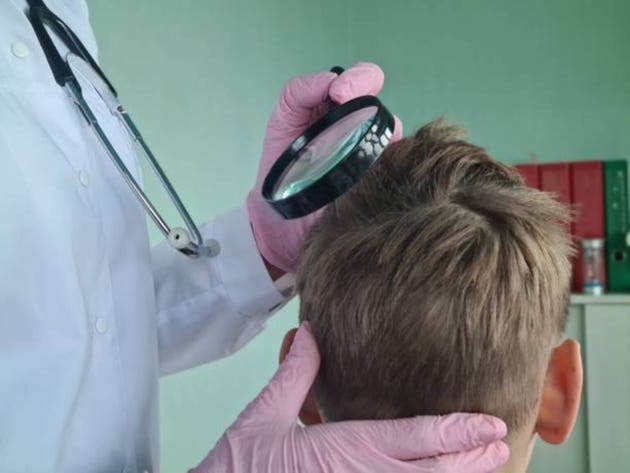
Eli Lilly Secures Expanded FDA Indication for Olumiant in Adolescent Alopecia
TREE NEWS reports: Eli Lilly has received an expanded U.S. regulatory label for Olumiant (baricitinib), allowing the JAK inhibitor to be used in children 12 years and older with severe alopecia areata. The decision widens the addressable patient pool for a drug that was already approved for adults with the autoimmune hair-loss condition, and it marks another step in Lilly’s effort to build out a dermatology and immunology franchise beyond its dominant diabetes and obesity portfolio.
Olumiant is an oral Janus kinase inhibitor that has been marketed for rheumatoid arthritis and, more recently, for severe alopecia areata in adults. Extending the indication to adolescents is significant because alopecia areata often first appears in childhood and adolescence, and treatment options for that age group have historically been limited to off-label corticosteroids or observation. A formal pediatric label gives physicians a cleared, dose-defined pathway and gives Lilly a defensible marketing position in a niche that competitors such as Pfizer, AbbVie and Sun Pharma are also targeting with JAK inhibitors.
Why the Label Expansion Matters Commercially
Alopecia areata is not a mass-market condition, but it is a high-visibility one with meaningful pricing power. Severe cases can involve near-total scalp and body hair loss, and patients and caregivers are often willing to pursue chronic therapy. Analysts typically model the alopecia franchise as a modest but high-margin contributor rather than a blockbuster driver. The pediatric expansion incrementally raises peak-sales estimates without requiring new manufacturing capacity, since Olumiant is already produced at scale.
The more important read-through is strategic. Lilly’s equity story is dominated by tirzepatide — Mounjaro and Zepbound — and by the company’s pipeline in Alzheimer’s, oncology and immunology. Every additional approved indication in a specialty area helps diversify revenue away from the GLP-1 cycle, which is increasingly exposed to pricing pressure, compounding pharmacies and potential Medicare negotiation. A broader immunology label also strengthens Lilly’s hand in payer negotiations, where a single drug with multiple indications can be positioned across specialties.
Market Implications: Stocks, Bonds, Crypto, Commodities, FX
- Equities: The news is incrementally positive for Lilly shares but unlikely to be a standalone catalyst given the company’s size. The stock trades on obesity-drug demand, supply expansion and pipeline data. Peers with JAK assets — Pfizer, AbbVie, Incyte and Sun Pharma — could see modest sentiment pressure as the pediatric alopecia field becomes more crowded. Contract manufacturers and specialty pharmacies with dermatology exposure may benefit at the margin.
- Bonds: Minimal direct impact. Lilly is a large investment-grade issuer, and a single label expansion does not change its credit profile. The broader rates backdrop remains the dominant driver of pharma credit spreads.
- Crypto: No direct linkage. The story is a reminder that healthcare innovation remains a fundamentally different asset class from digital assets, and it does not alter the macro liquidity narrative that tends to drive crypto beta.
- Commodities: No meaningful effect. There is no commodity input story tied to a small-molecule JAK inhibitor label change.
- Currencies: Negligible. The revenue contribution is too small to move USD flows, though it reinforces the general strength of U.S. pharmaceutical exports and intellectual property.
What Investors Should Watch
Three things matter from here. First, payer coverage decisions for the adolescent population — a label is not the same as reimbursement, and prior authorization requirements for JAK inhibitors remain strict because of class-wide safety warnings. Second, real-world uptake data over the next two to four quarters, which will show whether pediatricians and dermatologists actually prescribe Olumiant or continue to favor older alternatives. Third, competitive readouts from rival JAK programs, which could compress pricing in the alopecia category.
For long-term holders, the story is less about alopecia and more about execution. Lilly is attempting to prove it can run a diversified specialty portfolio alongside its obesity megafranchise. Each small approval is a data point in that argument, and the market will ultimately reward the company that shows it can grow immunology and dermatology revenue without diluting its core growth engine.
Key Takeaways
- Olumiant’s expanded indication gives Lilly a formal pediatric alopecia label for ages 12 and up, modestly enlarging the addressable market.
- The financial impact is incremental, but the strategic value lies in diversifying revenue beyond GLP-1 drugs.
- Watch payer coverage, real-world prescribing trends and rival JAK data for the true commercial signal.
- Expect limited cross-asset impact; the story is a single-stock, sector-level event rather than a macro driver.



