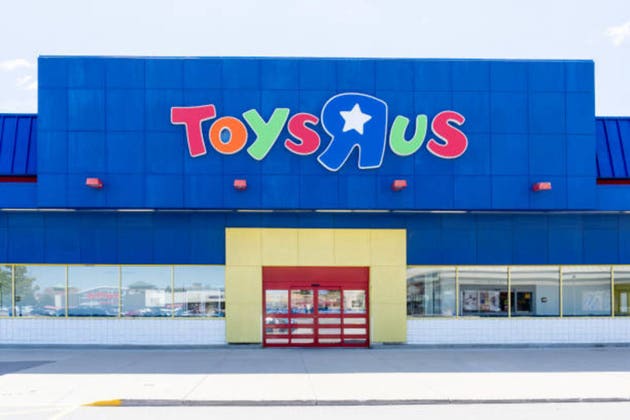
Toys “R” Us Is Growing Again After Its Amazon-Era Collapse
TREE NEWS reports: Toys “R” Us, the iconic American toy retailer that was widely written off as a casualty of the e-commerce era, is expanding once more. The brand, which shuttered its U.S. big-box stores in 2018, is rebuilding its physical footprint and merchandising strategy under new ownership, betting that the toy category’s economics have shifted back in favor of dedicated specialty retail.
The revival is being driven by a combination of factors: a return to in-store experiential retail, tighter integration with digital channels, and a recognition among brand owners and toy manufacturers that a standalone toy destination still commands consumer loyalty that general merchandisers struggle to replicate. The company is reportedly adding new locations and deepening partnerships with suppliers that had lost a key distribution channel when the original chain liquidated.
Why the Toy Aisle Matters Again
The original Toys “R” Us bankruptcy was a defining case study of the “retail apocalypse.” Saddled with leveraged-buyout debt, the chain could not invest in e-commerce fast enough to counter Amazon’s price and convenience advantage. Its 2018 liquidation removed roughly 700 U.S. stores from the market, handing share to Walmart, Target, and Amazon.
What has changed since then is that the toy industry’s largest players now want more distribution diversity. Hasbro and Mattel have both seen how dependent they became on a handful of giant retail partners and digital marketplaces. A revived specialty chain offers pricing power, shelf space for higher-margin products, and a marketing platform that generalists do not provide.
Market Implications
For equities, the story is a modest but real positive for toy manufacturers and for retail REITs that own well-located suburban real estate. A new tenant willing to sign leases in the 20,000 to 40,000 square-foot range helps fill vacancies left by other failed retailers.
- Toy makers (Hasbro, Mattel): Additional shelf space and a less Amazon-dependent channel mix could support margins and reduce promotional pressure.
- Big-box retailers (Walmart, Target, Amazon): Marginal share loss in toys is unlikely to move the needle for companies of their size, but it signals intensifying competition for discretionary categories.
- Retail REITs: New leasing demand is a slow-burn positive for mall and strip-center landlords, particularly in secondary markets.
- Consumer discretionary: The move is a bet on resilient household spending on children’s products, which tends to hold up better than other discretionary categories in downturns.
Broader Context
The revival fits a wider pattern: physical retail is not dead, but it is being re-underwritten. Brands that survived the past decade’s shakeout are leaner, less levered, and more digitally integrated. Private owners and licensing specialists have found that well-known retail names carry durable brand equity that can be monetized with far less capital than the original operators required.
That said, the risks are real. Toy demand is seasonal and highly sensitive to birth rates, household budgets, and tariff-driven cost inflation. Many toys are imported, and trade policy remains a live variable for landed costs. A specialty retailer with a thin store base has limited scale to absorb those shocks.
Key Takeaways for Investors
- The story is a small but symbolic win for physical specialty retail and for toy suppliers seeking channel diversification.
- Watch for signs of whether the expansion is funded conservatively or with the leverage that doomed the previous iteration.
- Toy makers’ margins and promotional cadence are the cleanest read-through for public-market investors.
- Retail landlords with vacant mid-size boxes in good suburban locations are the quiet beneficiaries.
- Tariffs, birth rates, and holiday-season execution remain the key swing factors for any toy-focused thesis.