China’s AI Infrastructure Buildout Accelerates Past Global Peers
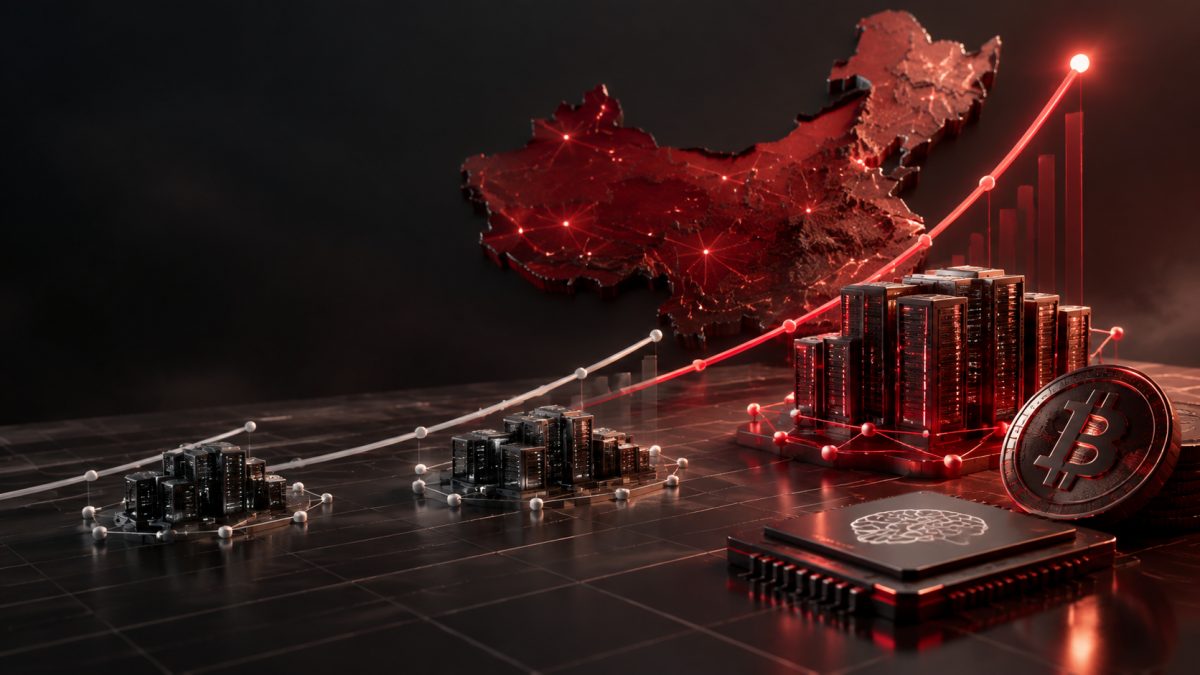
TREE NEWS reports: China’s total delivered data center capacity has reached 24 gigawatts, a figure that now exceeds the combined delivered capacity of Europe, the Middle East, Africa, and the rest of Asia. The buildout is being driven by an unprecedented surge in capital expenditure from the country’s largest technology firms, with Alibaba, Tencent, and Baidu collectively spending $20 billion in the second quarter alone — a doubling year-over-year. Notably, all three companies reported negative free cash flow simultaneously for the first time, underscoring the sheer scale of their infrastructure commitments.
The ByteDance Factor
ByteDance, the parent company of TikTok, has emerged as the single largest wholesale customer of data center capacity in China, accounting for nearly one-fifth of total delivered capacity. Its massive appetite for compute reflects the growing demand for AI training and inference workloads, particularly for large language models and recommendation systems. This concentration of demand raises questions about the resilience of the market should ByteDance’s growth trajectory slow.
Financial Strain and Strategic Implications
The negative free cash flow across Alibaba, Tencent, and Baidu signals a pivotal shift in corporate strategy. These companies are prioritizing long-term AI capabilities over short-term profitability, mirroring the aggressive spending seen among U.S. hyperscalers like Microsoft, Google, and Amazon. However, unlike their U.S. counterparts, Chinese firms face tighter domestic credit conditions and heightened regulatory scrutiny, which could constrain their ability to sustain such spending.
- Alibaba: Expanding cloud and AI services to capture enterprise demand.
- Tencent: Investing in AI research and gaming infrastructure.
- Baidu: Betting heavily on autonomous driving and AI cloud solutions.
Global Ripple Effects
China’s dominance in data center capacity has significant implications for global AI competition. It suggests that despite export controls on advanced semiconductors, China is building the physical infrastructure necessary to train and deploy large-scale AI models. This could accelerate the development of domestic alternatives to U.S.-made chips and software, potentially reshaping the global AI supply chain.
Forward-Looking Perspective
Looking ahead, the sustainability of this buildout will depend on several factors: the pace of AI commercialization in China, the availability of affordable energy, and the government’s willingness to support further expansion. If current trends continue, China could solidify its position as a global AI powerhouse, but the financial and operational risks are mounting. Investors should watch for signs of overcapacity and shifting regulatory priorities in the coming quarters.