Grayscale’s Currencies Sector: Four Bets on Real Digital-Currency Use
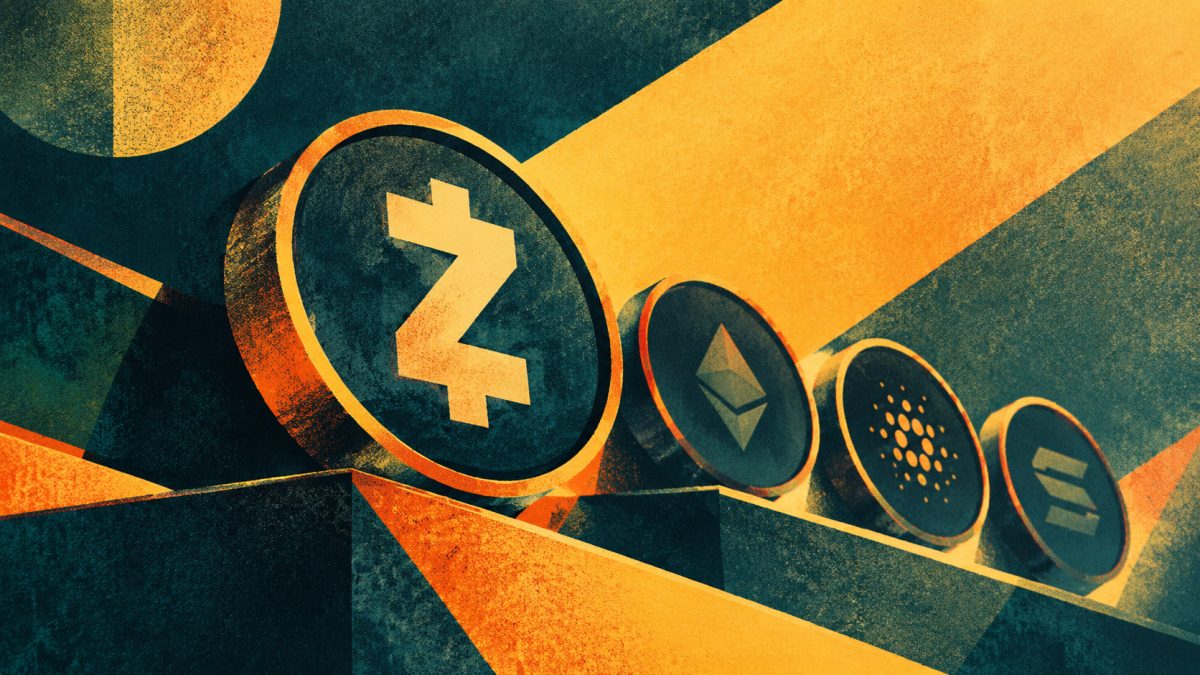
TREE NEWS reports: Grayscale has identified four cryptocurrencies that it believes are built for genuine digital-currency use, grouping them into a dedicated “Currencies” sector. Among them, the asset manager singles out Zcash (ZEC) as the coin with the most room to grow, arguing that privacy-focused payments could gradually carve out a meaningful share of Bitcoin’s dominant monetary market.
The call comes from Zach Pandl, Grayscale’s Head of Research, who has framed Zcash not as a niche privacy tool but as a potential long-term challenger for a slice of Bitcoin’s multi-trillion-dollar store-of-value and payment market. The other three assets in the Currencies bucket round out a thesis centered on coins that function as money rather than as platforms, tokens, or smart-contract infrastructure.
Why the “Currencies” Label Matters
Grayscale’s sector framework is more than marketing. By separating currencies from smart-contract platforms, DeFi tokens, and consumer/culture assets, the firm is signaling which tokens it views as monetary instruments — assets whose value derives from being spent, saved, and transferred. That distinction matters for institutional allocators who are increasingly building thematic crypto exposure rather than buying broad market indices.
- Monetary premium: Currencies compete on adoption as money, not on network activity or fee revenue.
- Privacy as a differentiator: Zcash’s optional shielded transactions give it a feature Bitcoin does not natively offer.
- Regulatory overhang: Privacy coins have faced delistings and scrutiny in several jurisdictions, a key risk to the thesis.
- Optionality: If privacy demand rises, Zcash’s upside is asymmetric relative to its current market cap.
Industry Implications
The endorsement lands as privacy has re-emerged as a live debate in crypto. Chain analytics, KYC requirements, and travel-rule compliance have made transparent blockchains less private than many users assume, while regulators have pushed exchanges to drop anonymity-enhancing assets. Grayscale’s framing implicitly bets that demand for confidential payments will persist despite that pressure — and that a compliant, opt-in privacy model can survive where fully anonymous coins struggle.
For investors, the takeaway is that the “digital currency” thesis is narrowing. Grayscale is effectively saying that most tokens are not money, and that the monetary lane is occupied by a small handful of assets — with Bitcoin dominant and Zcash the most credible challenger on privacy grounds.
Forward-Looking Perspective
The critical question is whether privacy demand translates into market share. Bitcoin’s liquidity, brand, and institutional acceptance give it a near-unassailable lead, and Zcash would need sustained adoption in payments, remittances, and store-of-value use to close even a fraction of the gap. Watch three signals: regulatory treatment of privacy coins, exchange listing and liquidity trends for ZEC, and whether shielded transaction usage grows as a share of network activity. If those move in Zcash’s favor, Grayscale’s contrarian call could look prescient; if not, it remains a high-conviction bet on a thesis the market has yet to price.