Trump Says Hormuz No Longer Impacts Gas Prices. Is He Right?
TREE NEWS reports: A striking sequence of events unfolded this week: former President Donald Trump declared that the Strait of Hormuz no longer influences U.S. gasoline prices, only for a tanker to catch fire in the same waterway minutes later. The incident underscores the persistent—and often underappreciated—link between geopolitical flashpoints and energy markets, a connection that reverberates through inflation expectations, Federal Reserve policy, and ultimately risk assets like cryptocurrencies.
The Claim vs. The Charts
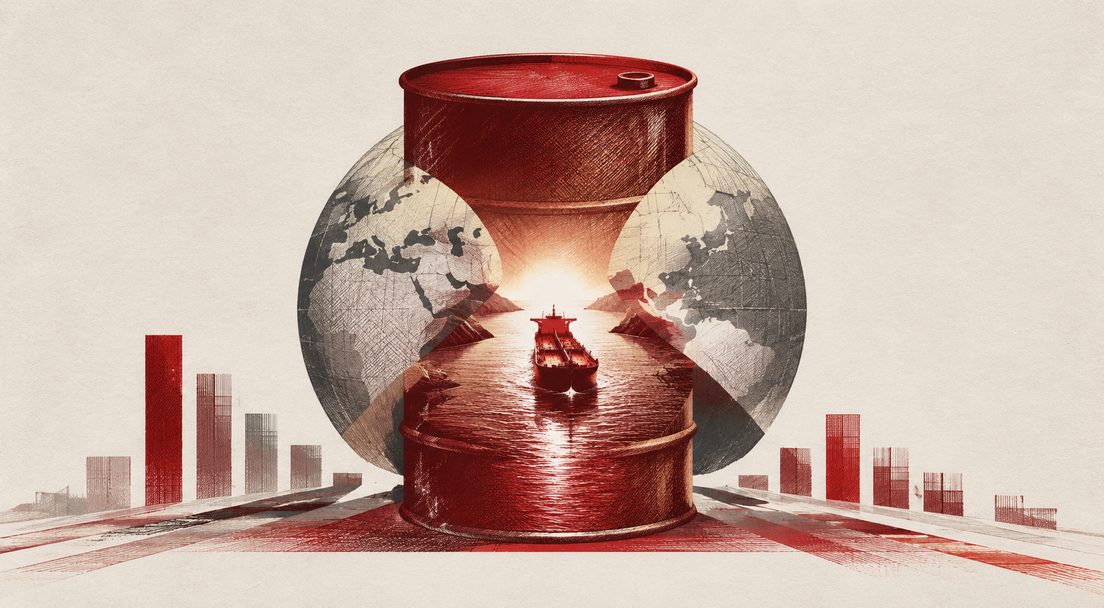
Trump’s assertion rests on the idea that the United States has achieved energy dominance, with domestic production shielding consumers from Middle Eastern disruptions. While U.S. crude output has surged to record highs, oil is a globally fungible commodity. Prices are set by marginal barrels traded on international markets, not by domestic supply alone. When a chokepoint like Hormuz—through which roughly 20% of global oil passes—is threatened, insurance costs spike, freight rates climb, and futures markets immediately price in a risk premium. That premium flows through to refined products, including gasoline, within days.
Oil charts tell the story: even a brief flare-up in the Gulf sends Brent and WTI higher, dragging retail pump prices along. The tanker fire, reportedly caused by an explosion, is a visceral reminder that physical infrastructure remains vulnerable.
Macro Implications for Crypto
For digital asset investors, the episode matters because energy prices are a key input into headline inflation. Higher oil translates into higher CPI prints, which in turn influence the Federal Reserve’s rate trajectory. In recent cycles, crypto has traded as a high-beta macro asset, sensitive to liquidity conditions. A sustained oil shock could delay rate cuts, strengthening the dollar and pressuring Bitcoin and altcoins.
Conversely, if the incident proves transient, markets may shrug it off. But the broader lesson is that geopolitical risk is not linear—it can spike instantaneously, as the tanker fire demonstrated.
Forward Look
Investors should monitor:
- Brent crude futures and the shape of the forward curve for signs of sustained risk pricing.
- U.S. retail gasoline averages, which feed directly into consumer sentiment and inflation expectations.
- Fed commentary on energy pass-through, which could shift the timing of monetary easing.
- Bitcoin’s correlation with the dollar index (DXY) and real yields, as macro hedging demand evolves.
The Strait of Hormuz may not be the sole driver of gas prices, but dismissing its impact entirely is a dangerous oversimplification. In a world of interconnected markets, what happens in one narrow waterway can ripple through portfolios everywhere.