Bitget Confronts Its Largest Security Breach
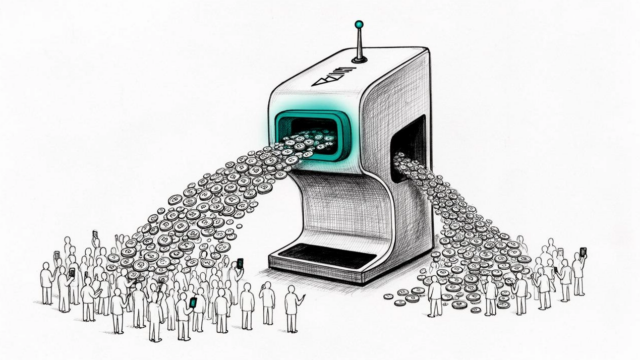
TREE NEWS reports: Bitget suffered a devastating security breach on September 24 when attackers exploited its internal withdrawal process to siphon approximately $387.5 million in digital assets. Blockchain analytics firm Chainalysis attributed the attack to North Korean hacking syndicates, adding another high-profile incident to the growing list of state-sponsored crypto thefts. In the aftermath, Bitget’s CEO sat down to address pressing questions about user safety, the exchange’s response, and what happens if the next attack is even larger.
The Anatomy of the Attack
Unlike a traditional smart contract exploit, this breach targeted the exchange’s internal withdrawal mechanisms — a critical distinction. Centralized exchanges manage vast pools of user funds through hot and cold wallet architectures, and any vulnerability in the logic governing withdrawals can be catastrophic. The attackers reportedly manipulated the withdrawal process to authorize transactions that drained assets far beyond normal limits. The involvement of North Korean actors, as identified by Chainalysis, underscores the increasingly sophisticated and well-funded nature of state-linked cybercrime operations targeting crypto infrastructure.
Is Bitget Safe Now?
Bitget has since implemented a series of enhanced security measures, including stricter withdrawal verification protocols, multi-signature authorization layers, and real-time anomaly detection systems. The exchange also emphasized that user funds remain protected and that operations continue normally. However, the fundamental question lingers: can any centralized exchange truly guarantee safety against determined, state-backed adversaries?
- Withdrawal process hardening: New multi-layer approval chains for large transactions
- Cold storage expansion: A higher percentage of assets moved offline
- Third-party audits: Independent security firms engaged to stress-test infrastructure
- Real-time monitoring: AI-driven systems to flag irregular withdrawal patterns
Industry Implications
This incident reinforces a troubling trend. North Korean hacking groups, often associated with the Lazarus Group, have stolen billions from crypto platforms in recent years. The targeting of internal processes rather than smart contracts signals an evolution in attack methodology — one that exploits human and procedural weaknesses over code vulnerabilities. For the broader industry, it raises urgent questions about the adequacy of current security standards at centralized exchanges.
What Comes Next?
If a $387 million hack can happen to a major exchange, the prospect of a billion-dollar breach is no longer theoretical. Exchanges must move beyond reactive patching and adopt proactive, defense-in-depth architectures. Insurance funds, proof-of-reserves mechanisms, and decentralized custody solutions may become non-negotiable. For users, the lesson is clear: diversification across platforms and self-custody remain the strongest personal defenses in an increasingly hostile threat landscape.