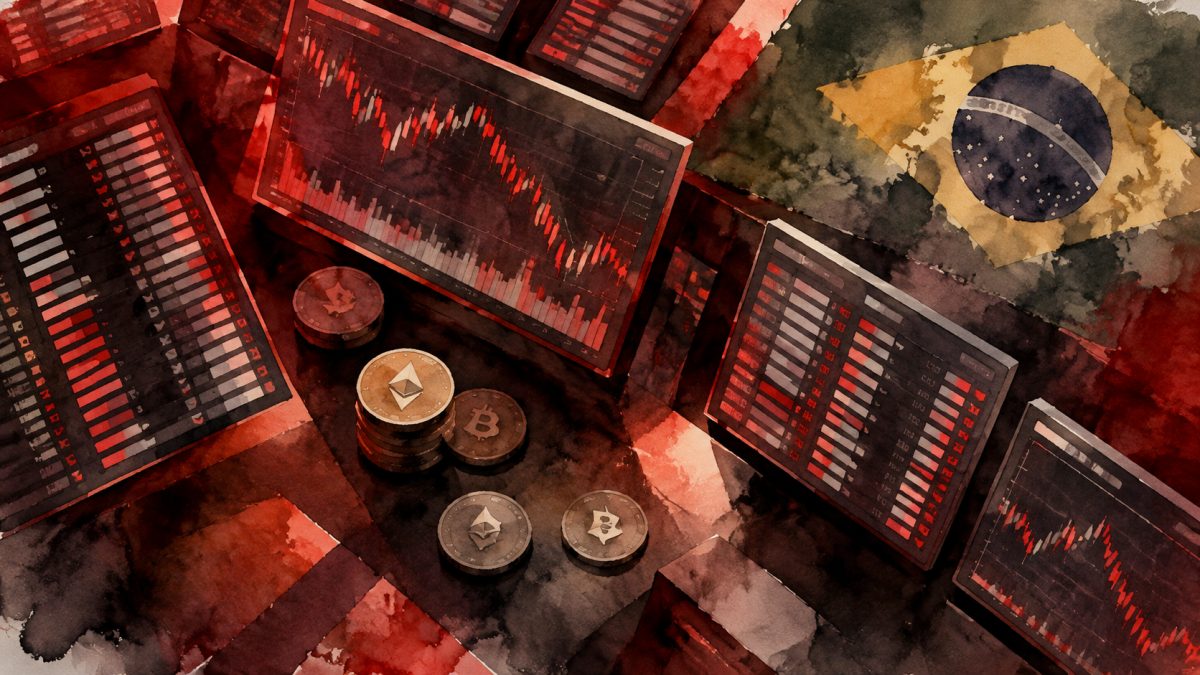
Binance Trims Brazil Offering Ahead of Central Bank Deadline
TREE NEWS reports: Binance will restrict eight product lines and remove 22 tokens from its Brazilian platform starting October 27, a direct response to the new crypto-asset regulatory framework issued by the Banco Central do Brasil (BCB). The affected services include Binance Loans, Binance Pool, Cloud Mining, leveraged trading, and several other offerings that fall outside the scope of the central bank’s licensing perimeter.
The move marks one of the most consequential compliance-driven product rollbacks the exchange has undertaken in a major market, and it signals that Brazil’s regulatory regime is now being enforced with real operational consequences for global trading venues.
What Brazil’s Rules Actually Require
Brazil has moved faster than most G20 jurisdictions in building a comprehensive digital-asset framework. The BCB’s rules establish a licensing regime for virtual-asset service providers, impose segregation and custody requirements, and set strict limits on which products may be marketed to retail clients. Lending, staking-as-a-service, cloud mining and margin products have all drawn scrutiny because they blur the line between a spot trading venue and a financial intermediary offering yield or credit.
By restricting these lines, Binance is effectively choosing to remain licensed rather than risk sanctions. Delisting 22 tokens likely reflects a parallel review of asset eligibility — the BCB framework gives regulators broader discretion over which tokens may be offered to local residents.
Industry Implications
- Compliance as a competitive moat: Exchanges willing to restructure their product suites will keep access to Brazil’s large retail base; those that resist may face suspension.
- Product bifurcation: Yield, leverage and mining products may migrate to offshore entities or decentralized protocols, raising consumer-protection questions.
- Regional template: Other Latin American regulators, including in Argentina, Mexico and Chile, are watching Brazil’s implementation closely.
- Token listing risk: Smaller-cap tokens face a higher bar as jurisdictions tighten eligibility criteria.
Forward Look
The October 27 date is the immediate milestone, but the more important question is what Binance’s Brazilian entity looks like in 2026. Expect a leaner, more custody-and-spot-focused operation, with derivatives and structured products pushed into jurisdictions that permit them. For the broader market, Brazil is becoming a test case for whether global exchanges can operate profitably inside a strict licensing regime — or whether regulatory fragmentation permanently splits the crypto product landscape along national lines.