Telecom Giants Suffer Worst Single-Day Selloff in Over a Decade
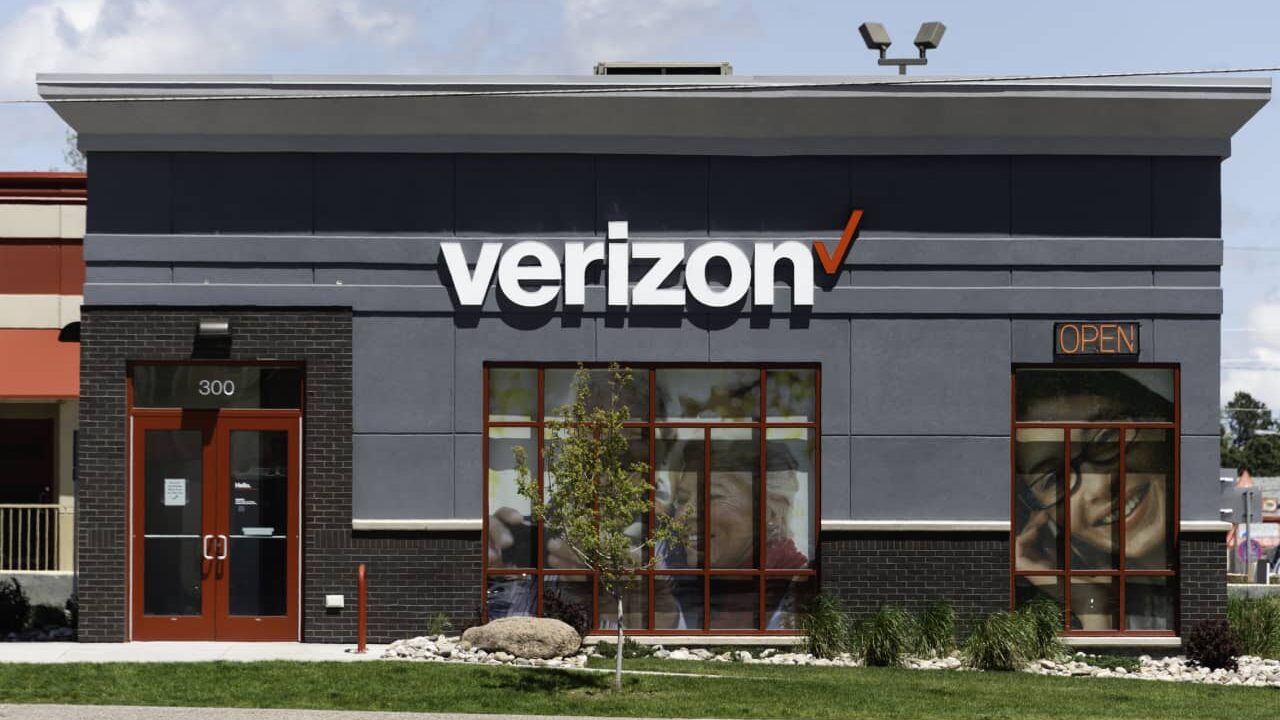
TREE NEWS reports: Shares of AT&T, Verizon and T-Mobile cratered on Tuesday, posting their steepest one-day declines in more than ten years, as investors abruptly repriced the competitive threat posed by SpaceX’s rapidly expanding satellite communications business. The synchronized drop wiped tens of billions of dollars from the combined market capitalization of the three largest U.S. wireless carriers and dragged the broader telecommunications sector to the bottom of the S&P 500 leaderboard.
The selloff was not triggered by a single earnings miss or regulatory ruling, but by a growing conviction on Wall Street that SpaceX — through its Starlink constellation and emerging direct-to-cell service — is transitioning from a niche rural connectivity provider into a genuine substitute for terrestrial mobile networks. Analysts have begun publishing models in which satellite-to-phone offerings capture meaningful share of the low-density and mobility-centric segments that have historically been telecom’s most profitable hunting grounds.
Why the Market Moved So Violently
Telecom stocks are typically owned for their bond-like stability: predictable cash flows, high dividend yields, and defensive positioning during economic uncertainty. That investment thesis depends on the durability of subscriber bases and pricing power. If a well-capitalized, vertically integrated competitor can beam connectivity from low Earth orbit without building towers, trenching fiber, or negotiating local zoning, the long-term cost structure of the incumbents starts to look structurally disadvantaged.
Several factors amplified the move:
- Valuation sensitivity: Carriers trade on modest multiples, so even a small downward revision to terminal growth assumptions produces outsized price swings.
- Dividend credibility: AT&T and Verizon are widely held by income funds. Any perceived threat to free cash flow forces a reassessment of payout sustainability, which can trigger forced selling.
- Index and ETF flows: Passive vehicles tracking telecom and dividend indices mechanically transmit the selling pressure across the sector.
- Crowded positioning: After a strong run in defensive names, the trade had become crowded, making the exit narrow.
Cross-Asset Implications
In equities, the read-through extends beyond the three carriers. Tower operators such as American Tower and Crown Castle face questions about long-term lease demand if satellite delivery reduces the need for macro-site densification. Handset makers and chip suppliers with heavy exposure to carrier subsidy programs could see estimates trimmed. On the other side of the ledger, SpaceX’s private valuation — and by extension the broader space infrastructure complex — receives an implicit upgrade.
In credit markets, telecom bonds could widen modestly as investors demand compensation for competitive uncertainty, though the near-term refinancing picture remains manageable for the majors. A sustained widening would raise their weighted average cost of capital and further pressure equity valuations.
For commodities and currencies, the second-order effects are subtler. Reduced tower construction would trim demand for steel, copper and concrete at the margin, while a successful satellite model reinforces the strategic value of launch capacity and rare-earth inputs for phased-array antennas. The dollar is unlikely to react directly, but any re-rating of U.S. mega-cap infrastructure champions feeds into the broader ‘American exceptionalism’ equity narrative that has supported the greenback.
Cryptocurrency markets were largely unaffected on the day, though the episode reinforces a theme that has quietly benefited digital assets: the willingness of public markets to rapidly reprice incumbents when a technologically superior substitute emerges.
What Investors Should Watch
- Regulatory filings: Any expansion of SpaceX’s spectrum licenses or direct-to-cell partnerships with carriers is the single most important signal.
- Carrier guidance: Watch for changes to capital expenditure plans and subscriber churn assumptions in upcoming earnings calls.
- Tower REIT commentary: Lease renewal terms and new-build pipelines will reveal whether the threat is being priced into contracts.
- Dividend coverage: Free cash flow trends at AT&T and Verizon will determine whether income investors stay or flee.
Key Takeaways
The telecom selloff is less about what SpaceX has already built and more about what the market now believes it can build. Investors are being forced to reconsider whether terrestrial wireless is a stable utility or a business facing a structural disruptor. For portfolio managers, the episode is a reminder that ‘defensive’ sectors are only defensive until the technology curve bends against them. The coming quarters of guidance and spectrum news will determine whether Tuesday’s move was an overreaction or the beginning of a longer re-rating.