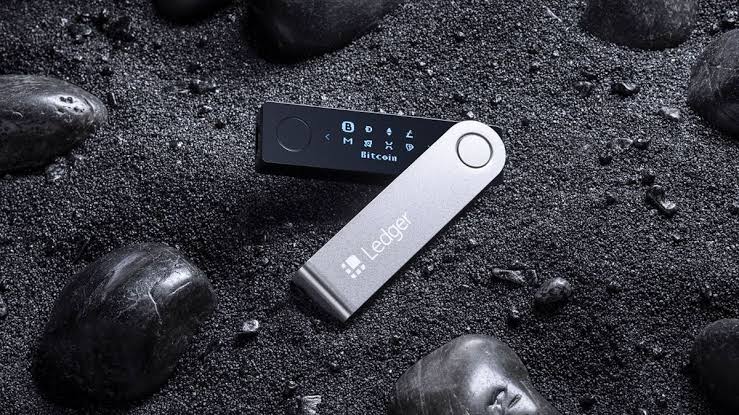
When the Weakest Link Isn’t the Chip — It’s the Box
Roughly $90 million in crypto assets was stolen from Ledger users through a supply chain attack targeting an official reseller, with attackers implanting a hardware module that captured the seed phrases users typed or viewed on their device screens. Critically, the victims had written their recovery phrases by hand and never stored them digitally — a practice long considered the gold standard of self-custody. The security element inside the devices remained intact. The breach happened before the devices ever reached their owners.
The Attack Surface Nobody Audited
For a decade, the crypto industry has framed hardware wallets as the definitive answer to exchange risk: your keys, your coins, secured by a tamper-resistant secure element. That framing assumed the threat model ended at the silicon. This incident proves otherwise. A wallet’s trust boundary now stretches from chip fabrication to firmware signing to retail distribution to the last-mile courier. Any node in that chain can be compromised without ever defeating the cryptography.
The attack is especially insidious because it defeats user vigilance. A victim who hand-writes a seed phrase, verifies the device’s authenticity check, and never photographs a backup has done everything right by conventional standards — and still loses funds. Security education that stops at “never type your seed phrase online” is now demonstrably insufficient.
Why This Matters Beyond One Vendor
- Self-custody’s trust problem: Hardware wallets concentrate risk in a physical supply chain that is difficult to audit end to end.
- Reseller accountability: Official distribution channels are only as trustworthy as their logistics partners, and manufacturers have limited visibility past the point of sale.
- Institutional hesitation: Custody providers and funds weighing self-custody against qualified custodians now have a fresh data point on operational risk.
- Regulatory angle: Expect renewed scrutiny of hardware certification, tamper-evident packaging, and disclosure requirements for supply chain incidents.
What Comes Next
The likely industry response is a shift toward verifiable supply chains — tamper-evident seals with cryptographic attestation, direct-to-consumer shipping that bypasses third-party resellers, and device attestation that proves firmware integrity at first boot. Some manufacturers may move toward multisignature architectures that require multiple independent devices, so that compromising one unit is no longer sufficient.
The deeper lesson is one the industry has been slow to absorb: security is only as strong as its least-audited link. Breaking encryption is hard. Intercepting a package is easy. Until the physical and logistical layers of self-custody receive the same rigor as the cryptographic ones, the cold wallet will remain a promise that is stronger on paper than in the mail.