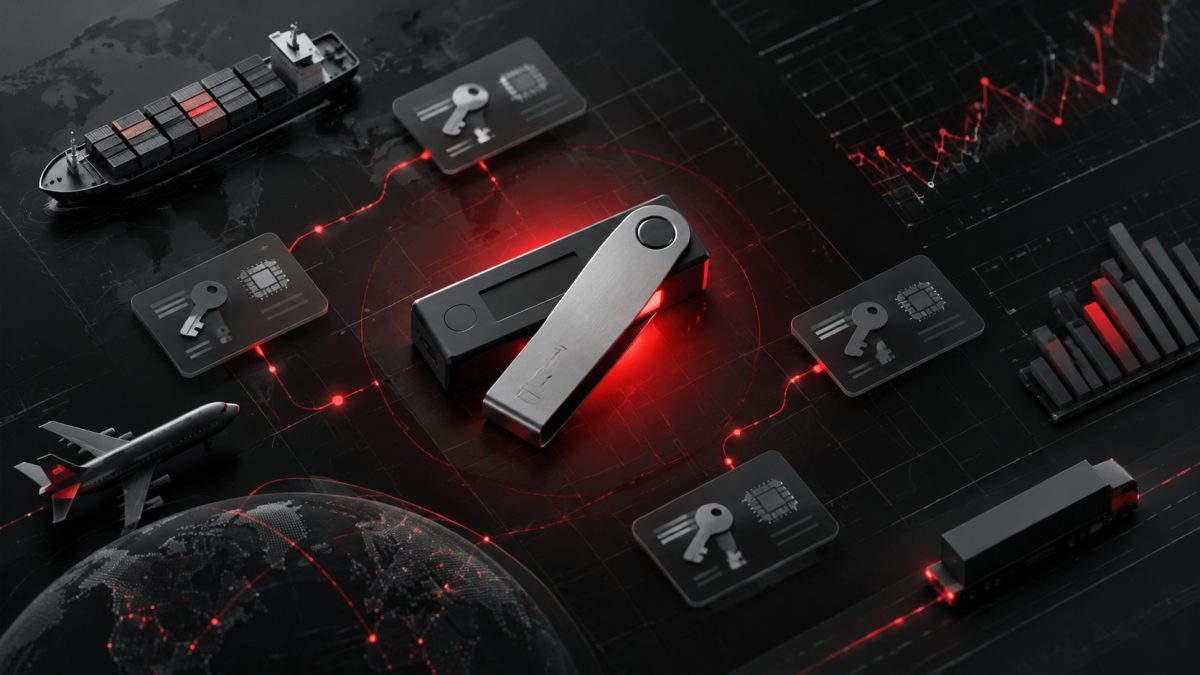
Hardware Wallet Trust Tested as Ledger Supply Chain Concerns Mount
A supply chain security incident involving Ledger hardware wallets has triggered a wave of concern across the cryptocurrency industry, prompting multiple competing manufacturers to issue urgent public responses. The episode has evolved from a single-company problem into a broader stress test of the security assumptions underpinning the entire hardware wallet sector.
Why Hardware Wallets Matter
Hardware wallets have long been marketed as the gold standard for self-custody, keeping private keys offline and out of reach of malware, phishing, and exchange failures. That promise rests on an implicit trust chain: secure chip design, tamper-resistant firmware, verified manufacturing, and untampered shipping. A supply chain compromise threatens every link in that chain simultaneously.
The incident has raised uncomfortable questions about how devices are assembled, distributed, and verified before reaching end users. Even if a specific exploit is contained, the reputational damage radiates outward, because hardware wallet value is almost entirely a function of trust.
Competitors Respond Swiftly
Rival manufacturers moved quickly to distance themselves from the issue, publishing statements emphasizing independent secure element sourcing, reproducible firmware builds, and tamper-evident packaging. Several highlighted open-source firmware and third-party audits as differentiators. The speed of the response underscores a shared fear: if users lose faith in hardware wallets generally, the entire self-custody narrative weakens.
- Secure element provenance and independent audits are now central marketing claims.
- Supply chain transparency — from chip fabrication to retail delivery — is becoming a competitive battleground.
- Users are being urged to buy directly from manufacturers and verify device integrity on receipt.
Broader Implications for Self-Custody
The episode lands at a delicate moment. Institutional adoption of digital assets is accelerating, and custodial solutions are competing directly with self-custody for wallet share. Any erosion of confidence in hardware wallets could push retail users back toward exchanges and custodians, reversing years of education around “not your keys, not your coins.”
It also raises the bar for the sector. Expect stronger demands for attestation, hardware-rooted identity, and end-to-end verifiable supply chains. Regulators may eventually take interest in device-level security standards, particularly as tokenized real-world assets and institutional DeFi bring larger sums under self-custody.
Forward Outlook
Hardware wallet makers now face a choice: treat this as a PR cycle to weather, or as a structural wake-up call. The firms that invest in verifiable manufacturing, open firmware, and transparent incident disclosure are likely to emerge stronger. Those that rely on brand alone may find that trust, once cracked, is far harder to rebuild than any chip.