Bond Market Tightening May Do the Fed’s Job, Morgan Stanley Says
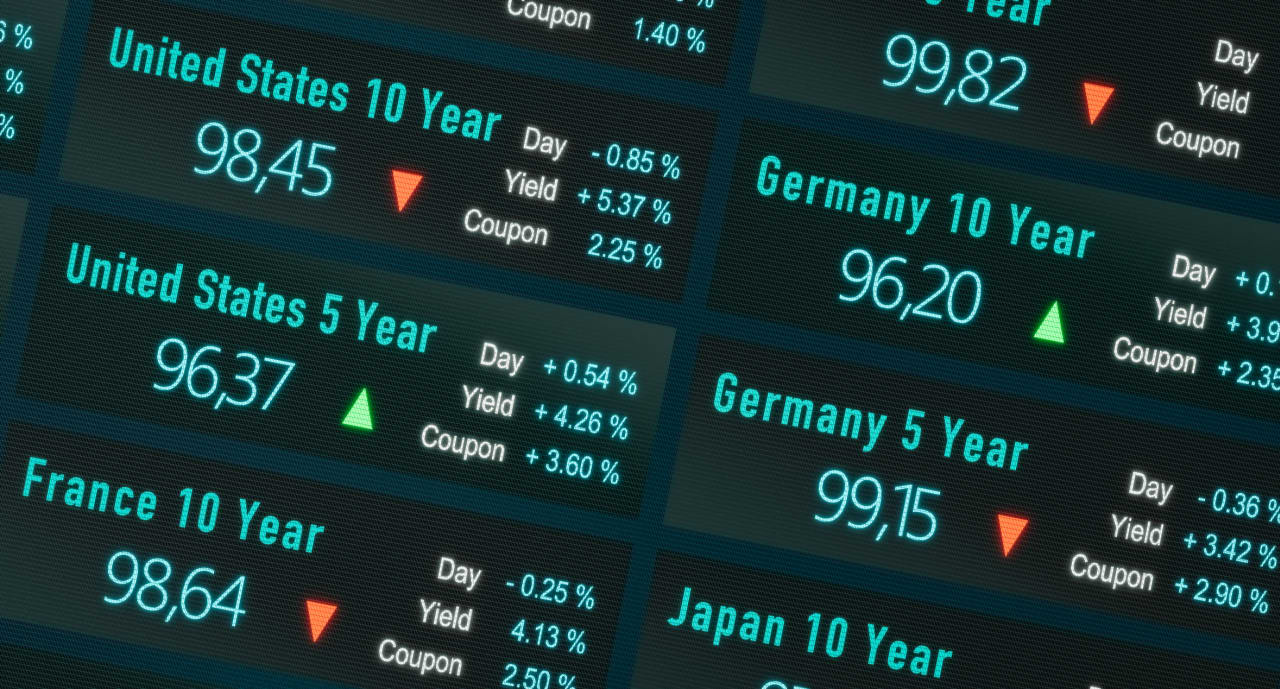
TREE NEWS reports: Rising Treasury yields, a stronger dollar and elevated gasoline prices are tightening U.S. financial conditions so effectively that the Federal Reserve may not need to raise interest rates further. The argument, put forward by a senior strategist at the investment bank, is that the bond market is effectively performing the work of monetary policy — and that this could ultimately be a constructive backdrop for equities.
The logic runs like this: when long-dated Treasury yields climb, borrowing costs rise across mortgages, corporate credit and consumer loans, cooling demand without any action from the Fed. A firmer dollar tightens conditions further by making U.S. exports more expensive and imported goods cheaper, while higher pump prices drain household disposable income. Together, these forces act as a de facto rate hike, reducing the pressure on policymakers to tighten again and lowering the risk of an outright policy error.
Why This Matters for Markets
The framing matters because it reframes a source of anxiety as a potential source of relief. Investors have spent months fretting that sticky inflation would force the Fed into another hike, compressing equity valuations and pressuring rate-sensitive sectors. If the bond market is doing that work instead, the Fed can afford to stay on hold — or even pivot toward cuts sooner than expected.
- Stocks: A Fed on hold, rather than hiking, is generally supportive for equities. Rate-sensitive growth and technology names benefit most from stable-to-lower rate expectations, though the same rising yields that tighten conditions can weigh on the most speculative corners of the market.
- Bonds: Higher yields mean lower prices for existing bondholders, but they also restore income to fixed-income portfolios. A steeper curve can signal either growth optimism or fiscal worry — investors should watch which is driving the move.
- Crypto: Digital assets remain highly sensitive to real yields and dollar strength. A tightening impulse from the bond market tends to pressure risk assets in the short term, but a Fed that is no longer hiking removes a major headwind for longer-duration speculative assets.
- Commodities: Elevated gasoline prices are part of the tightening story, hurting consumers but supporting energy producers. A stronger dollar is typically a headwind for dollar-denominated commodities such as gold and oil.
- Currencies: Dollar strength reflects both higher U.S. yields and global risk aversion. A sustained rally tightens conditions abroad too, particularly for emerging markets with dollar-denominated debt.
The Investor Takeaway
The key insight is that financial conditions are tightening even as the policy rate stays put. That reduces the odds of an additional Fed hike, which historically has been a more favorable environment for risk assets than a hiking cycle in full swing. But it is not unambiguously bullish: tightening conditions still bite into earnings, and a bond market that pushes yields too high too fast can eventually destabilize equities.
For investors, the practical implication is to watch the bond market as closely as the Fed. If yields stabilize at these levels, the “Fed on hold” narrative could support a broadening rally beyond mega-cap tech. If yields continue to climb unchecked, the same mechanism that spares the Fed could instead become a source of stress for stocks, credit and crypto alike. The bond market, in other words, is now the most important policy signal in town.