Blur Announces Shutdown: A Star NFT Project Exits the Stage
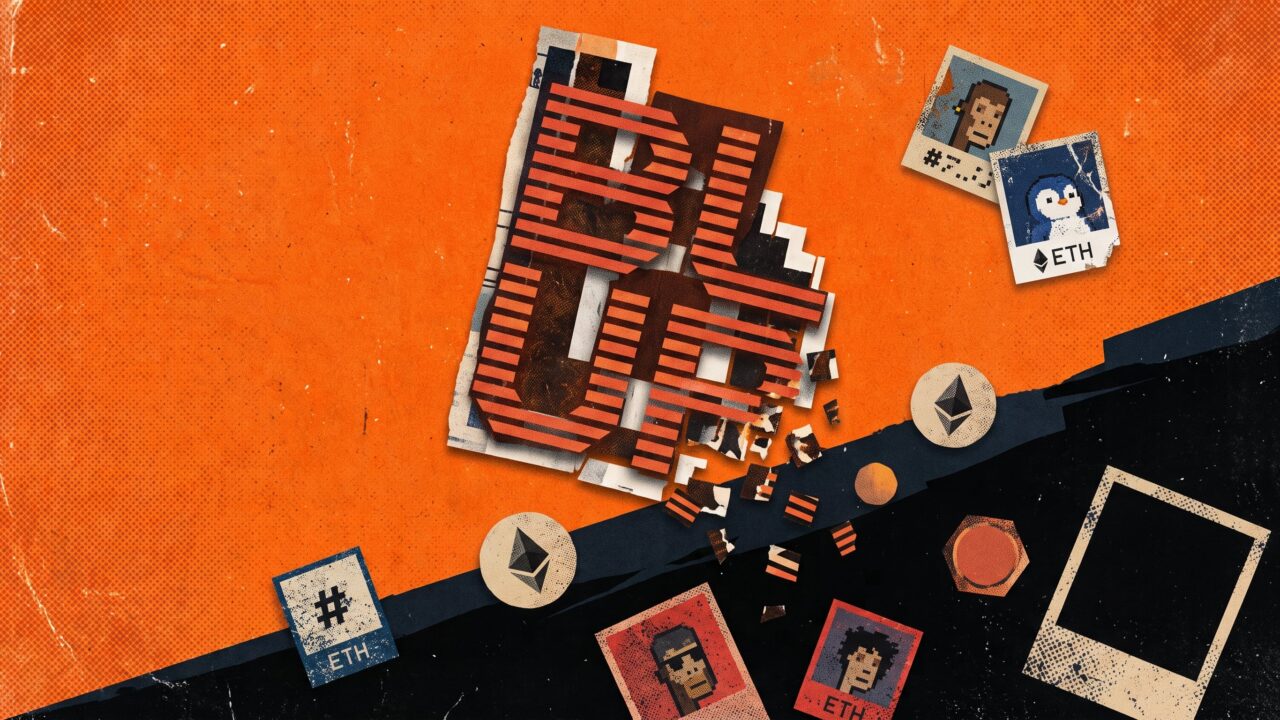
Blur, the NFT marketplace that once brought OpenSea to its knees with aggressive token incentives, has announced it will disable its frontend in November 2026. Its NFT lending protocol, Blend, will simultaneously stop matching new loans. The news sent the BLUR token tumbling, marking an unceremonious end for a project that once defined the NFT trading wars.
The Rise and Fall of a Vampire Attack
Blur burst onto the scene in 2022 with a textbook “vampire attack”: it rewarded traders with BLUR tokens for bidding and listing, effectively subsidizing volume to drain liquidity from OpenSea. The strategy worked. Blur overtook OpenSea in Ethereum NFT trading volume, and its Blend protocol became the dominant NFT lending venue, enabling leverage in a market that had none. But incentives are a double-edged sword. Once emissions slowed and the NFT market entered a prolonged bear phase, trading volumes collapsed, and BLUR’s price followed. The protocol’s reliance on token emissions to bootstrap activity left it without a sustainable fee engine.
Why It Matters for the NFT Market
Blur’s exit is more than the demise of one project. It signals the end of the incentive-driven NFT marketplace era. Key implications include:
- Consolidation: With Blur gone, OpenSea and newer entrants like Magic Eden will vie for residual NFT liquidity, but the pie itself has shrunk dramatically.
- Leverage unwind: Blend’s shutdown removes a key source of NFT-backed leverage, potentially forcing deleveraging and further price pressure on blue-chip collections.
- Token model scrutiny: Projects that rely solely on emissions to attract users face a reckoning. Sustainable revenue, not token subsidies, is becoming the market’s yardstick.
Forward-Looking Perspective
Blur’s fate is a cautionary tale for DeFi and NFT projects alike. The next generation of NFT infrastructure will likely focus on real utility — aggregation, royalties enforcement, and integration with broader DeFi — rather than mercenary liquidity. For BLUR holders, the coming months will be about salvaging value from a token whose utility is fading. The NFT market is not dead, but its speculative excesses are being flushed out. Blur, ironically, may be remembered as the project that won the battle for volume but lost the war for longevity.