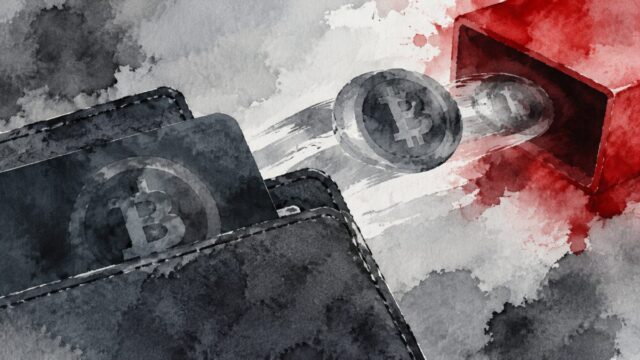
Hardware Wallets Aren’t Bulletproof
TREE NEWS reports: Hardware wallets, long considered the gold standard for self-custody, are facing renewed scrutiny after reports of compromised devices and tampered samples sold through resellers. Losses tied to such supply-chain attacks have reportedly surpassed $90 million, underscoring that even air-gapped devices can be compromised when procurement and distribution channels are not airtight.
The risk is not theoretical: malicious chips can be implanted during manufacturing or refurbishment, and resold demo units may carry pre-loaded firmware designed to leak seed phrases. For high-net-worth holders and institutions, the lesson is clear—device integrity must be verified from source to signing.
Defense in Depth: Multisig, Segregation, and Dedicated Devices
Security practitioners now recommend a layered approach that reduces single points of failure:
- Multisignature setups: Require multiple approvals across geographically dispersed keys so no single compromised device can move funds.
- Key sharding and dispersal: Split seed material across trusted parties or secure locations, avoiding any single custodian.
- Dedicated hardware: Use air-gapped, purpose-built devices that never touch general-purpose computers or browsers.
- Supply-chain hygiene: Purchase directly from manufacturers, verify tamper-evident packaging, and re-flash firmware before first use.
- No AI in the signing path: Keep AI assistants away from custody devices and seed material; automation should never have signing authority.
Where AI Actually Helps
AI can be a force multiplier—just not as a custodian. Practitioners point to several safe uses:
- Explaining what a transaction will do in plain language before signing.
- Verifying domain names, app provenance, and contract addresses against known-good sources.
- Interpreting pre- and post-trade effects, such as token approvals and allowance changes.
- Monitoring security alerts and on-chain anomaly signals in real time.
Crucially, AI outputs must be treated as advisory, not authoritative. Final verification should rely on official channels and multiple independent sources, with phishing resistance as the core discipline.
Implications for the Broader Market
As tokenization and on-chain finance expand, the attack surface grows. Retail users are increasingly targeted by sophisticated phishing and supply-chain scams, while institutions face regulatory pressure to demonstrate robust key management. The emerging consensus is that self-custody is not a product but a process—one that combines hardened hardware, procedural discipline, and human vigilance.
Looking Ahead
Expect manufacturers to invest in tamper-evident packaging, attestation, and firmware transparency, while insurers and auditors develop standards for proof of device integrity. AI copilots will become standard in wallet interfaces, but the signing keys must remain isolated. In the AI era, the safest custody strategy is still the oldest one: trust less, verify more, and never let convenience compromise control.