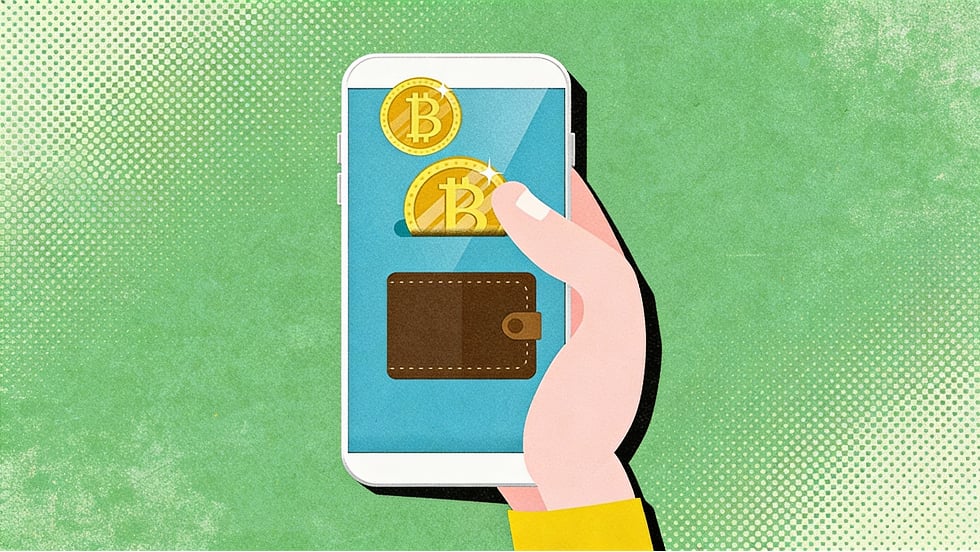
Samsung Wallet to Add USDC, But Compliance Comes First
Samsung is reportedly preparing to integrate USDC, the second-largest stablecoin, into its Samsung Wallet. The move would allow millions of users to hold and transact in dollar-backed digital currency directly from their phones. While the news signals growing mainstream acceptance of stablecoins, it also raises critical compliance questions that every consumer electronics giant must answer before embedding digital assets into their devices.
Why Phone Makers Are Eyeing Stablecoins
Smartphone manufacturers sit on massive user bases and possess secure hardware elements ideal for key storage. Integrating stablecoins like USDC can unlock new revenue streams, enhance user engagement, and position brands at the forefront of digital finance. Samsung’s potential move follows similar explorations by other tech giants, reflecting a broader trend of traditional companies embracing blockchain-based payments.
The Compliance Maze
However, stablecoin integration is not merely a technical feat. It requires navigating a complex web of regulations that vary by jurisdiction. Key considerations include:
- Licensing and registration: Offering wallet services for stablecoins may trigger money transmission or e-money licensing requirements in many countries. Phone makers must determine whether they are merely providing a non-custodial interface or acting as a custodian, which brings stricter obligations.
- AML/KYC obligations: Even non-custodial wallets may be subject to anti-money laundering rules, especially if they facilitate fiat on-ramps or peer-to-peer transfers. Implementing robust identity verification without compromising user experience is a delicate balance.
- Securities and commodities laws: While USDC is generally considered a stablecoin, regulators may still scrutinize its classification. Phone makers must ensure they do not inadvertently offer unregistered securities.
- Data privacy and security: Holding private keys on devices raises significant cybersecurity and privacy concerns. Compliance with regulations like GDPR and emerging digital asset custody rules is essential.
- Tax reporting: In some jurisdictions, wallet providers may be required to report user transactions to tax authorities, adding another layer of complexity.
Strategic Implications
Samsung’s potential USDC integration could accelerate stablecoin adoption by making digital dollars as accessible as a mobile app. Yet, the company must proceed cautiously, likely partnering with regulated custodians and compliance providers. A misstep could lead to regulatory penalties and reputational damage. The move also puts pressure on rivals like Apple and Google to clarify their digital asset strategies.
Looking Ahead
As stablecoins gain legitimacy, phone manufacturers will need to build compliance-by-design frameworks. The winners will be those that can offer seamless user experiences while adhering to strict regulatory standards. Samsung’s USDC experiment will be a bellwether for the industry, demonstrating whether hardware giants can successfully bridge the gap between traditional consumer tech and decentralized finance.