Sinokor’s $6 Billion VLCC Bet Creates Near-Monopoly on Hormuz Oil Transit
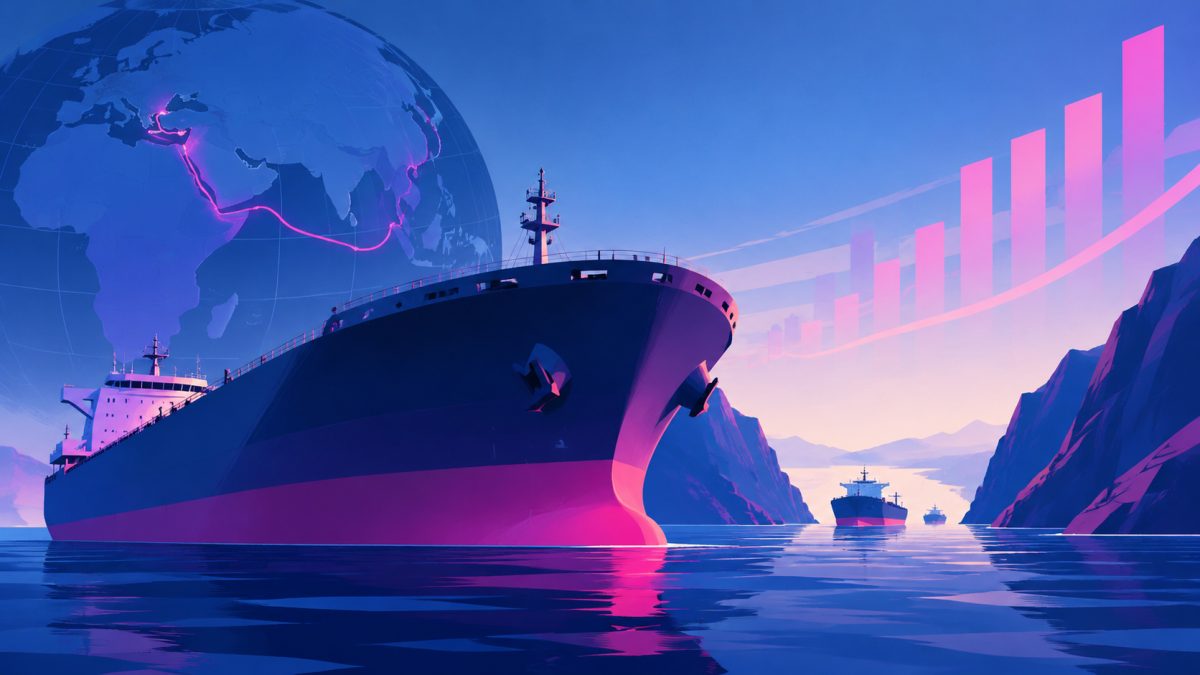
TREE NEWS reports: A little-known South Korean shipowner has quietly built a near-monopoly over crude oil transit through the Strait of Hormuz, the world’s most strategically sensitive oil chokepoint. Sinokor Group, controlled by billionaire Ga-Hyun Chung, spent nearly $6 billion accumulating 73 second-hand Very Large Crude Carriers (VLCCs) ahead of the Iran war, and now its fleet is reaping extraordinary returns as Gulf producers scramble for available tonnage.
In September, Sinokor vessels moved 105.6 million barrels of crude through Hormuz, representing nearly 40% of total oil transit through the strait for the month, Equasis and Signal Group. That exceeds the combined volumes of the next three largest state-owned shipowners—Saudi Arabia’s Bahri, Kuwait Oil Tanker Company and ADNOC’s shipping arm—which together moved 97.3 million barrels. In the first ten days of October, Sinokor’s share climbed above 50%.
The Anatomy of a Strategic Gamble
Sinokor Maritime has dominated the second-hand VLCC market in 2026, acquiring 73 vessels for approximately $6 billion—equal to the combined spending of the world’s eight other largest tanker buyers. All 73 vessels were delivered this year. The acquisition spree was backed financially by Mediterranean Shipping Company (MSC), the world’s largest shipowner, which acquired a 50% stake in Sinokor Maritime earlier this year alongside co-controlling shareholder Zhong Jiaxian.
The company now operates 93 VLCCs with over 28.3 million deadweight tonnes, and a total tanker fleet of 162 vessels—making it the world’s largest tanker operator by fleet size. The strategic logic was straightforward: expand the fleet at relatively low second-hand prices before geopolitical conflict triggered a capacity crunch, then harvest high freight rates during the crisis peak.
Market Implications: Shipping, Oil and Beyond
The rise of Sinokor is a microcosm of the dramatic restructuring of the global tanker market in 2026. The Hormuz crisis has been the primary driver of market sentiment in the tanker sector, with AIS data showing significant shifts in vessel routing patterns as owners and charterers reassess operational risks in the region.
- Shipping equities: Tanker owners with spot-market exposure have seen earnings surge, but the concentration of Hormuz transit in one operator raises questions about market structure and pricing power. Investors should watch whether Sinokor’s dominance translates into sustained premium rates or invites regulatory scrutiny.
- Oil prices: The shuttle trade model—loading crude inside the Persian Gulf, transiting Hormuz, and conducting ship-to-ship transfers in the Gulf of Oman—adds layers of cost and complexity. Any disruption to this logistics chain could tighten regional crude supply and support Brent and Dubai benchmarks.
- Asset prices: VLCC values have risen to their highest levels since 2008. Analysts expect prices to stabilize rather than accelerate further, but owners with older fleets may find a window to renew tonnage before any correction.
- Bonds and currencies: The broader macro impact runs through energy prices and inflation expectations. Sustained elevated freight costs could keep goods inflation sticky, complicating central bank easing cycles and supporting the dollar through safe-haven demand.
Risks and the Road Ahead
Sinokor’s $6 billion wager now hinges on two variables: the geopolitical trajectory of the Strait of Hormuz and the pace of recovery in Gulf crude exports. As exports gradually return to pre-war levels, Sinokor remains the most active operator on the route, but analysts are watching cautiously whether it can maintain excess returns once freight rates normalize.
The shuttle-trade model is inherently high-risk and high-reward. When the strait was nearly closed, producers facing exhausted storage and costly production cuts had little choice but to charter any available vessel at premium rates. Sinokor’s pre-positioned fleet captured that window. But as the crisis premium fades, the durability of its advantage will depend on contract structures, customer relationships and the willingness of Gulf national oil companies to diversify counterparty risk.
Key Takeaways for Investors
- Concentration risk cuts both ways: Sinokor’s near-monopoly on Hormuz transit gives it pricing power today, but dependence on a single chokepoint and a handful of state-owned charterers creates vulnerability if geopolitics shift.
- Watch the second-hand market: The surge in VLCC acquisitions—428 tankers changed hands between January and mid-August 2026, up from 370 in the first three quarters of 2025—signals strong demand for flexible tonnage. A slowdown in transactions could foreshadow a freight-rate peak.
- Energy inflation is the macro transmission channel: Elevated tanker rates feed directly into delivered crude costs for Asian importers, with knock-on effects for inflation, trade balances and currency markets.
- Geopolitics remains the swing factor: Any re-escalation in the Gulf would validate Sinokor’s bet; a durable peace would compress freight rates and test the company’s cost base.