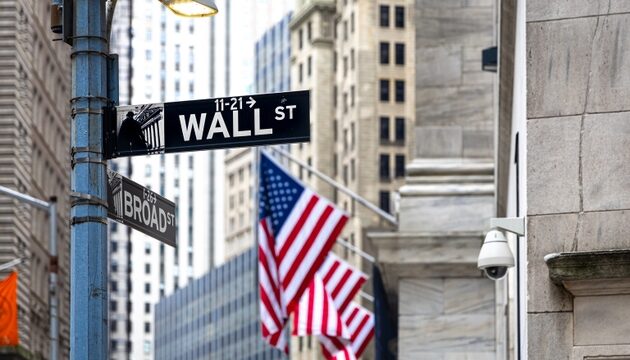
BTIG Warns of Post-Midterm Stock Selloff as Credit Risks Mount
TREE NEWS reports: Equity markets could face a renewed bout of volatility after the U.S. midterm elections. The brokerage firm highlighted growing credit risks that may pressure stocks, even as political uncertainty typically eases following the vote. BTIG’s analysis suggests that deteriorating credit conditions—evidenced by widening spreads and rising default concerns—could overshadow any post-election relief rally.
The firm’s caution comes as investors grapple with a complex macro backdrop: persistent inflation, aggressive Federal Reserve tightening, and slowing global growth. While midterm elections often bring a short-term boost to equities due to reduced policy uncertainty, BTIG argues that the current credit cycle poses a more significant threat. Historically, credit market stress has preceded equity drawdowns, and BTIG sees parallels to previous cycles where credit deterioration led to stock market declines.
Market Implications: Credit Stress Could Spill Over into Equities
BTIG’s warning centers on the credit market, where rising yields and widening spreads signal growing stress. Corporate bond spreads have widened notably in recent months, particularly in high-yield segments, as investors demand higher compensation for default risk. This tightening of financial conditions could constrain corporate borrowing and investment, weighing on earnings growth.
For equities, the implications are multifaceted. Sectors with high leverage, such as utilities and telecommunications, may face heightened pressure as refinancing costs rise. Meanwhile, cyclical stocks—already vulnerable to slowing economic activity—could see further downside if credit conditions deteriorate. Financials, particularly banks, might also suffer if loan losses increase, though higher net interest margins could provide some offset.
Beyond equities, the credit stress has ramifications across asset classes. In bonds, investment-grade and high-yield spreads may continue to widen, leading to price declines. The U.S. dollar could strengthen as investors seek safe havens, while commodities might weaken on growth concerns. Cryptocurrencies, often correlated with risk assets, could experience amplified volatility, especially if liquidity tightens further.
BTIG’s view contrasts with the more optimistic narrative that post-election stability will unleash a rally. The firm’s analysts argue that the market may be underestimating the severity of credit risks. They point to rising corporate debt levels and the potential for a recession as key catalysts that could trigger a selloff.
Key Takeaways for Investors
- Credit risks are mounting: Widening spreads and rising default expectations suggest corporate stress is building, which historically precedes equity weakness.
- Post-election rally may be short-lived: While midterms often reduce policy uncertainty, the current credit cycle could dominate market sentiment.
- Sector positioning matters: Investors should scrutinize leveraged sectors and cyclical stocks, which are more vulnerable to credit tightening.
- Diversification is crucial: Allocate across asset classes, including safe havens like Treasuries and the dollar, to hedge against equity volatility.
- Monitor credit markets: Watch high-yield spreads and default rates as leading indicators for equity market direction.
As investors navigate this uncertain landscape, BTIG’s warning serves as a timely reminder that political events, while impactful, may be overshadowed by deeper structural risks in the credit markets. The interplay between monetary policy, credit conditions, and equity valuations will likely dictate market direction in the months ahead.