Boeing Stock Plunges as 737 Max Delivery Shortfall Threatens Turnaround
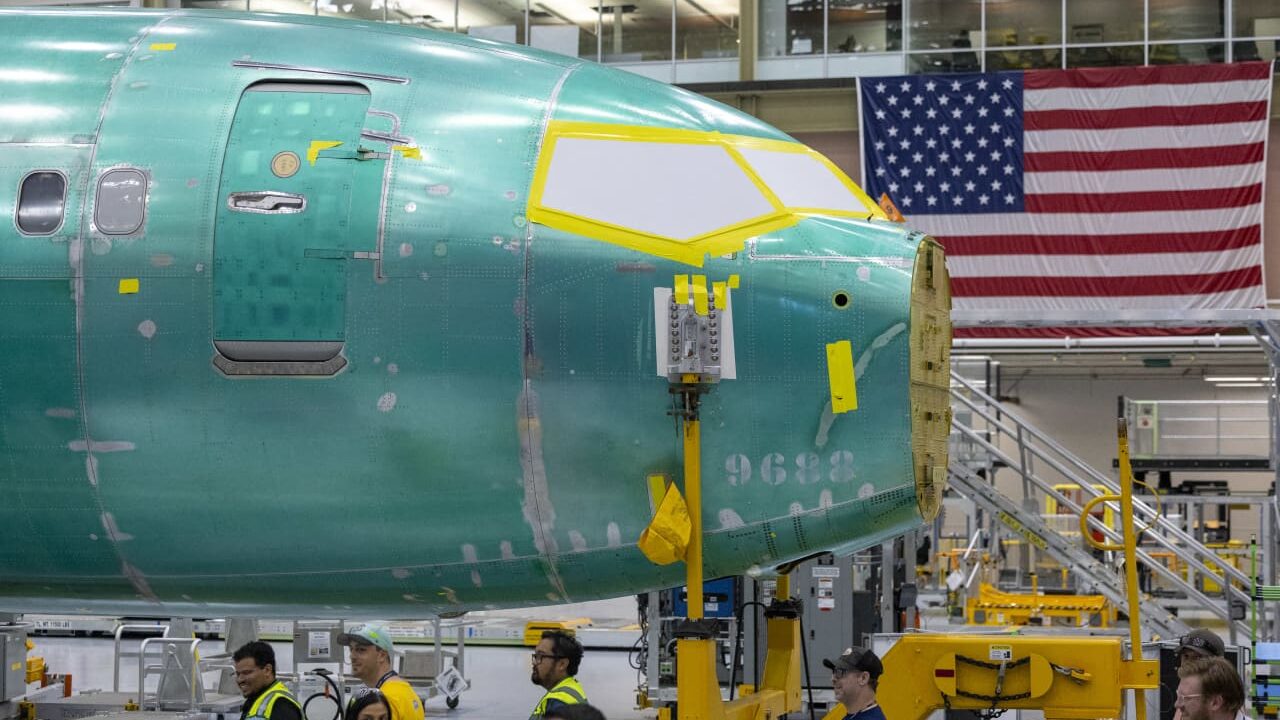
TREE NEWS reports: Boeing shares fell sharply after the company disclosed that it will deliver fewer 737 Max aircraft than previously expected, casting fresh doubt on its ability to execute a turnaround. The shortfall stems from ongoing production and supply-chain constraints, including fuselage defects and regulatory scrutiny that have slowed output at its Renton, Washington facility. The disclosure came alongside quarterly earnings that missed analyst estimates on both revenue and cash flow, underscoring the depth of the operational challenges facing the aerospace giant.
Management had previously guided for a steady ramp-up in 737 Max deliveries, a key metric watched by investors because the narrowbody jet generates the bulk of Boeing’s free cash flow. The reduced outlook implies that cash generation will remain under pressure for longer, potentially forcing the company to raise additional capital or further curtail its dividend and share buyback plans. Boeing has already burned through billions in cash since the 2019 grounding of the Max and the subsequent pandemic-related downturn.
Market Implications
The immediate impact was felt across Boeing’s capital structure. The stock dropped more than 8% in intraday trading, dragging down the Dow Jones Industrial Average, where Boeing is a significant component. The selloff extended to Boeing’s bonds, with credit spreads widening as investors reassessed the company’s ability to deleverage. Rating agencies have placed Boeing on negative watch, and a downgrade to junk status would raise borrowing costs and limit access to capital markets.
In the equity market, the weakness in Boeing weighed on the broader industrials sector and aerospace suppliers. Spirit AeroSystems, which manufactures fuselages for the 737 Max, saw its shares fall in sympathy, as did engine maker GE Aerospace and other tier-one suppliers. The iShares U.S. Aerospace & Defense ETF (ITA) slipped, though defense contractors with less exposure to commercial aviation held up better.
Bond markets reacted with a flight to quality, pushing Treasury yields slightly lower as investors sought safe-haven assets. The move was modest but reflective of concerns that Boeing’s troubles could ripple through the credit markets, particularly if the company needs to tap debt markets under less favorable terms. The spread between Boeing’s bonds and Treasuries widened to its highest level in months.
Commodities were largely unaffected, though aluminum and titanium prices—key inputs for aircraft manufacturing—saw minor fluctuations as traders weighed the prospect of lower near-term demand from Boeing. Oil prices were steady, with the Boeing news overshadowed by broader macroeconomic factors including OPEC+ supply decisions and global growth concerns.
Cryptocurrencies showed no direct reaction, as the news is specific to the aerospace sector and has little bearing on digital assets. However, the risk-off sentiment in equities could indirectly support Bitcoin and other cryptocurrencies if investors view them as alternative stores of value amid traditional market volatility. That dynamic did not play out on this occasion, with crypto prices trading in a narrow range.
Currency markets saw the dollar firm slightly against major peers, reflecting the safe-haven bid. The euro and yen were little changed, while the British pound edged lower. The Boeing news had no discernible impact on foreign exchange markets beyond the general risk tone.
Key Takeaways for Investors
- Execution risk remains elevated: Boeing’s inability to meet delivery targets raises questions about management’s credibility and the timeline for restoring free cash flow. Investors should watch for further guidance cuts.
- Supplier contagion: Companies with significant exposure to Boeing’s 737 Max program, including Spirit AeroSystems and GE Aerospace, face earnings risk. Diversified suppliers with defense exposure may be more resilient.
- Credit watch: Boeing’s bond spreads and rating agency actions warrant close attention. A downgrade to speculative grade would have broad implications for the company’s cost of capital and could trigger selling by investment-grade mandates.
- Macro context: The Boeing news is a company-specific issue but contributes to a broader narrative of industrial weakness. Investors should monitor whether other manufacturers report similar supply-chain challenges.
- Valuation opportunity? For long-term investors, the selloff may present an entry point if Boeing can demonstrate progress on fixing production issues. However, patience is warranted until delivery numbers show sustained improvement.