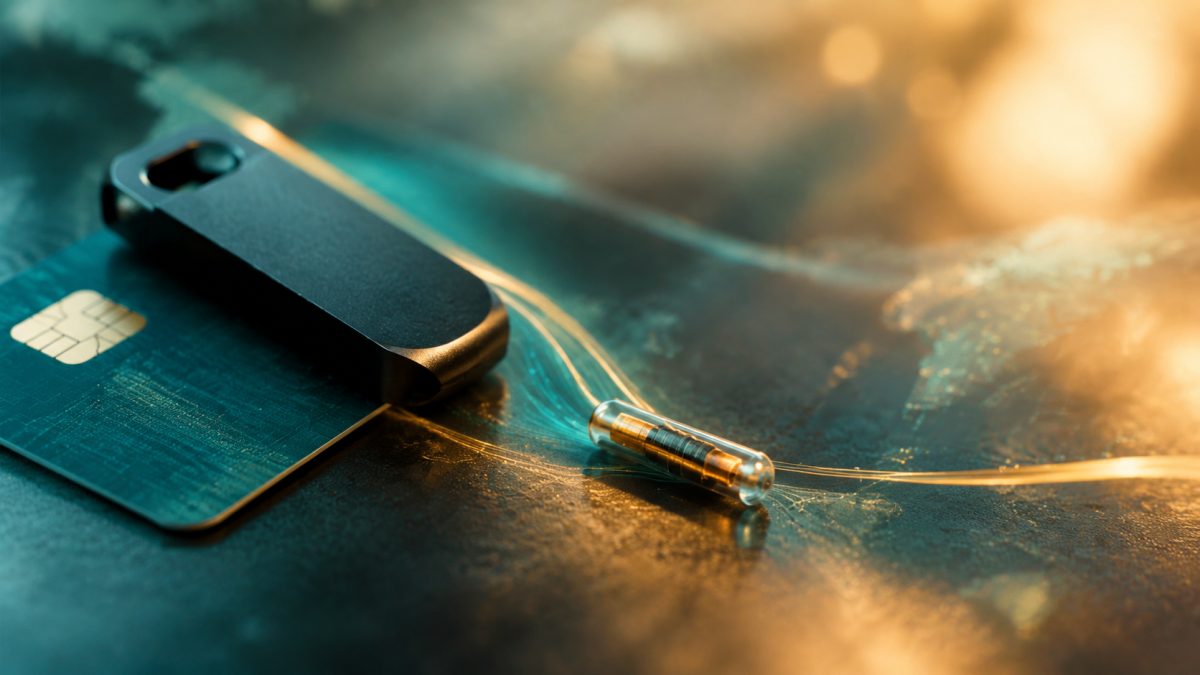
Trezor Flags Suspected Hardware Implant in Safe 5 Sold via CryptoBilis
TREE NEWS reports: Trezor has issued an urgent warning to customers who purchased its Safe 5 hardware wallet through CryptoBilis, a third-party reseller, after receiving a credible report of a hardware implant inside one of the devices. The company is urging affected buyers to migrate their funds immediately to a new wallet generated on a device obtained from a trusted source.
What Happened
The report indicates that a Safe 5 unit sold by CryptoBilis contained unauthorized hardware modifications. While Trezor has not disclosed the full technical details, the presence of an implant suggests a potential supply-chain attack aimed at compromising private keys or intercepting transaction signing. Trezor emphasized that devices purchased directly from its official store or authorized partners are not affected.
Industry Implications
This incident underscores a persistent vulnerability in the hardware wallet ecosystem: the supply chain. Even the most secure firmware can be undermined by physical tampering before the device reaches the user. CryptoBilis, a reseller, is now under scrutiny for its sourcing and handling practices.
- Supply-chain attacks are rising: As crypto values increase, so does the incentive for malicious actors to intercept devices in transit or at resale points.
- Verification is critical: Users must verify device integrity upon receipt, check firmware signatures, and ideally purchase directly from manufacturers.
- Reseller accountability: Third-party sellers must implement robust chain-of-custody protocols to maintain trust.
Forward-Looking Perspective
Trezor’s rapid response is commendable, but the event highlights the need for industry-wide standards around hardware wallet distribution. Future solutions may include tamper-evident packaging with cryptographic seals, on-device attestation that verifies hardware integrity, and greater transparency from resellers. For now, users who bought Safe 5 from CryptoBilis should assume their device may be compromised and move funds to a newly generated wallet. The incident also serves as a reminder that self-custody, while powerful, demands vigilance at every step—from purchase to setup.