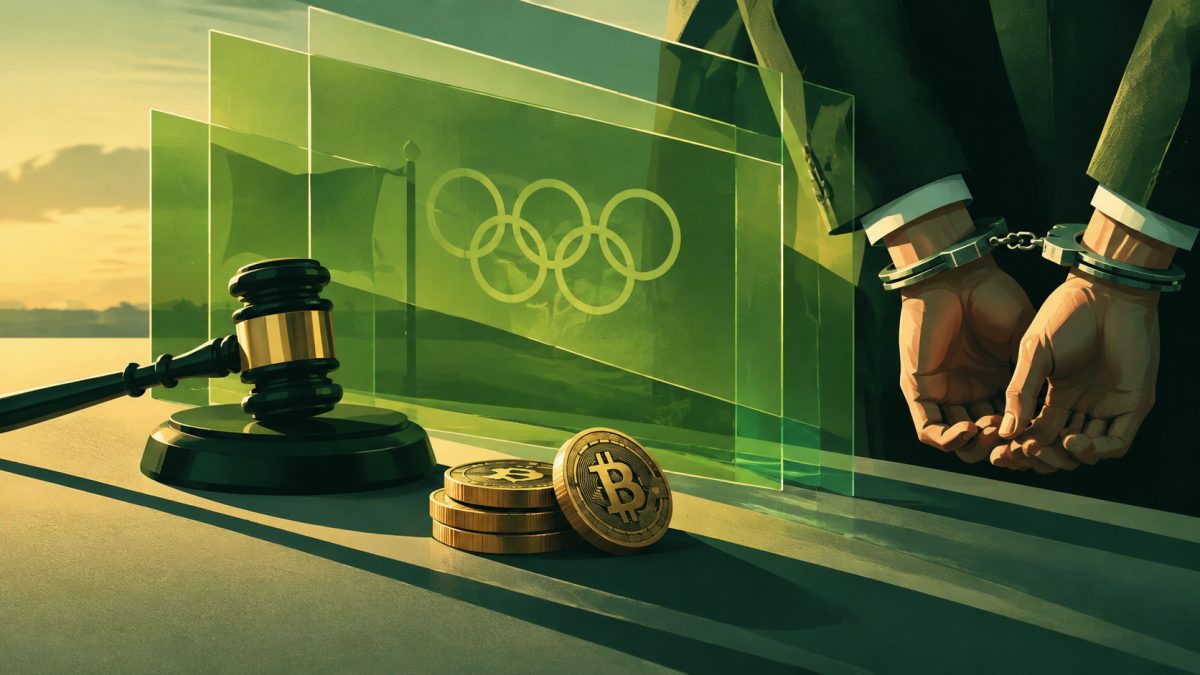
Polish Olympic Chief Arrested in Crypto Bribery Probe Tied to Zondacrypto Scandal
TREE NEWS reports: In a dramatic escalation of Poland’s cryptocurrency enforcement efforts, police have arrested Radosław Piesiewicz, president of the Polish Olympic Committee, on suspicion of accepting bribes from the cryptocurrency exchange Zondacrypto. The arrest, reported by CoinDesk on August 28, centers on allegations that Zondacrypto CEO Przemysław Kral gifted Piesiewicz a Patek Philippe watch valued at approximately €40,000 ($46,600) in exchange for assistance navigating regulatory difficulties.
News Summary
Polish prosecutors launched a major fraud and money laundering investigation into Zondacrypto in April. During the probe, the exchange’s owners admitted to losing control of a cold wallet containing about 4,500 Bitcoin—worth roughly $94 million—resulting in substantial customer losses. Piesiewicz denies any wrongdoing, claiming he paid cash for the watch and that Kral merely facilitated the purchase. The arrest adds a corruption dimension to an already severe financial scandal.
Industry Analysis and Implications
This case underscores the growing intersection of crypto regulation and high-profile corruption. For the industry, it highlights several critical issues:
- Regulatory Scrutiny Intensifies: The arrest signals that Polish authorities are aggressively pursuing crypto-related misconduct, including bribery and money laundering. This aligns with broader European trends under MiCA, where exchanges face heightened compliance expectations.
- Custody and Operational Risks: The loss of a cold wallet with 4,500 BTC is a stark reminder of the operational risks in crypto custody. It raises questions about internal controls and whether exchanges are adequately safeguarding client assets—a concern that regulators will likely use to justify stricter oversight.
- Reputation and Trust: Allegations of bribery involving a national Olympic committee president could tarnish the crypto sector’s image in Poland and beyond. Public trust is fragile, and such scandals can fuel negative perceptions that hinder adoption.
- Legal Precedents: This case may set a precedent for how corruption and crypto are treated under Polish law, potentially leading to more coordinated actions between financial regulators and law enforcement.
Forward-Looking Perspective
As the investigation unfolds, we can expect:
- Further Regulatory Action: Polish regulators may tighten licensing requirements for crypto exchanges, focusing on custody, anti-money laundering (AML), and conflict-of-interest policies.
- Market Impact: While the immediate market reaction has been muted, prolonged uncertainty around Zondacrypto could affect user confidence in centralized exchanges in the region.
- Cross-Border Cooperation: Given the cross-border nature of crypto, this case may prompt international coordination, especially with the EU’s new regulatory framework.
For investors and industry participants, this is a cautionary tale about the importance of robust compliance and governance. The days of loose oversight are numbered; exchanges that fail to prioritize regulatory alignment may face severe consequences.