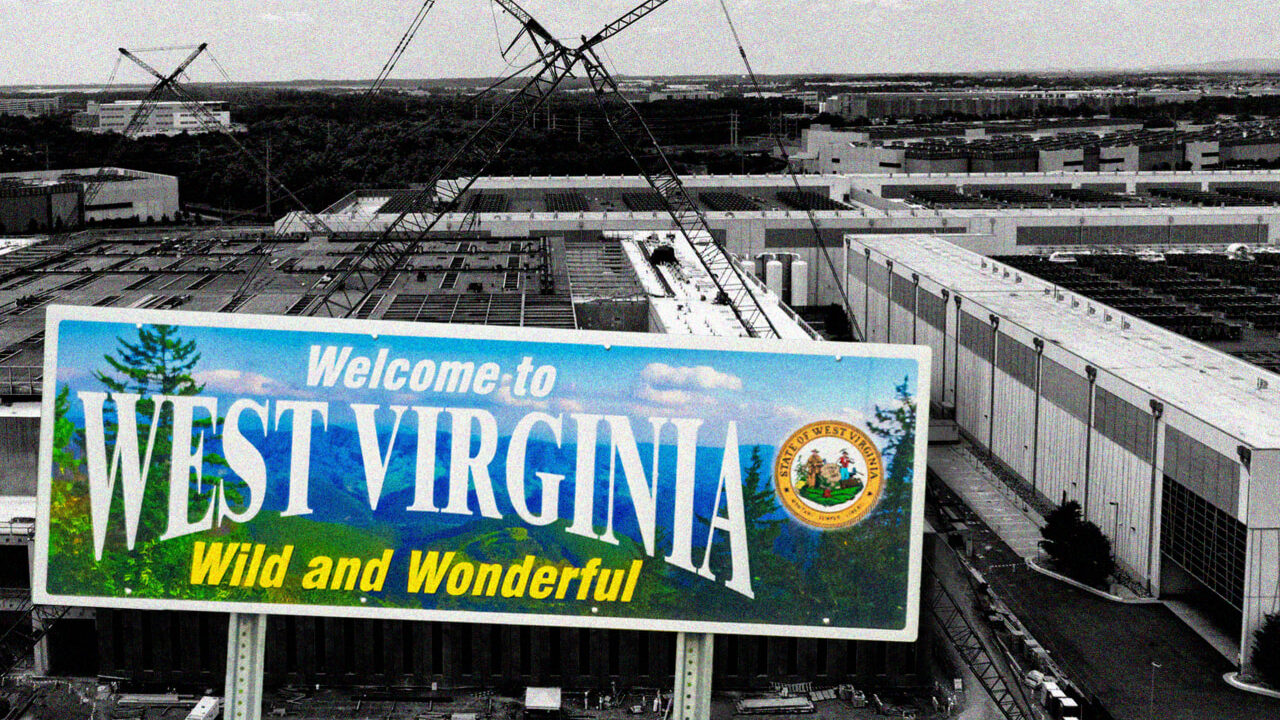
West Virginia Breaks From the Pack on Data Centers
TREE NEWS reports: West Virginia is actively courting data center development, even as a growing number of states move to restrict or slow the buildout of the power-hungry facilities. The state’s push highlights a widening divide over how to balance the economic promise of artificial intelligence and cloud computing against concerns about electricity costs, land use, and grid strain.
The move comes as data centers have become a political flashpoint. Communities in several states have pushed back against new projects, citing rising utility bills and the strain on local infrastructure. West Virginia, by contrast, appears to be positioning itself as a welcoming destination, betting that the jobs and tax revenue outweigh the risks.
Why Data Centers Became a Political Third Rail
Data centers are the physical backbone of the AI boom. They require vast amounts of electricity and water for cooling, and their rapid expansion has triggered anxieties about who pays for the necessary grid upgrades. In many markets, utilities have proposed passing those costs onto ordinary ratepayers, turning local zoning meetings into heated battles.
For investors, the stakes are significant. The buildout of data centers is a multi-hundred-billion-dollar capital expenditure cycle that underpins the earnings of hyperscalers, chipmakers, and utilities. Any shift in state-level policy can alter the economics of individual projects and the demand outlook for the entire supply chain.
Market Implications
Stocks
Companies involved in data center construction, power equipment, and cooling systems could see mixed effects. A friendlier regulatory environment in one state is a modest positive for project pipelines, but the broader trend of local opposition remains a risk. Hyperscalers and chipmakers are less exposed to any single state, but a patchwork of regulations could raise costs and slow timelines.
Bonds
Utilities are at the center of the debate. If states like West Virginia make it easier to build and recover costs, utility bonds could benefit from a clearer growth path. Conversely, states that restrict data centers may see utilities face higher legal and regulatory uncertainty. Municipal bonds tied to infrastructure upgrades could also be affected.
Crypto
The crypto mining industry is a close cousin of data centers, competing for the same power and land. A state that welcomes data centers may also be more open to mining operations, but the two industries are not identical. Crypto prices are driven more by macro liquidity and regulation than by state-level siting decisions, so the direct impact is likely limited.
Commodities
Data centers are power-hungry, supporting demand for natural gas, uranium, and copper. Any policy that accelerates or delays construction can ripple through forecasts for electricity demand and the commodities tied to generation and grid equipment.
Currencies
The macro impact is indirect. Large-scale capital investment in the U.S. can support the dollar by attracting foreign capital, but state-level decisions are too small to move major currency pairs on their own.
Key Takeaways for Investors
- Data center policy is becoming a state-by-state issue, creating a patchwork that raises execution risk for large projects.
- Utilities and power equipment makers are the most direct beneficiaries of a friendlier regulatory environment.
- Watch for rising local opposition in other states, which could slow the AI infrastructure buildout and affect demand forecasts for chips and cloud services.
- The crypto mining angle is secondary; macro liquidity and federal regulation remain the dominant drivers for digital assets.