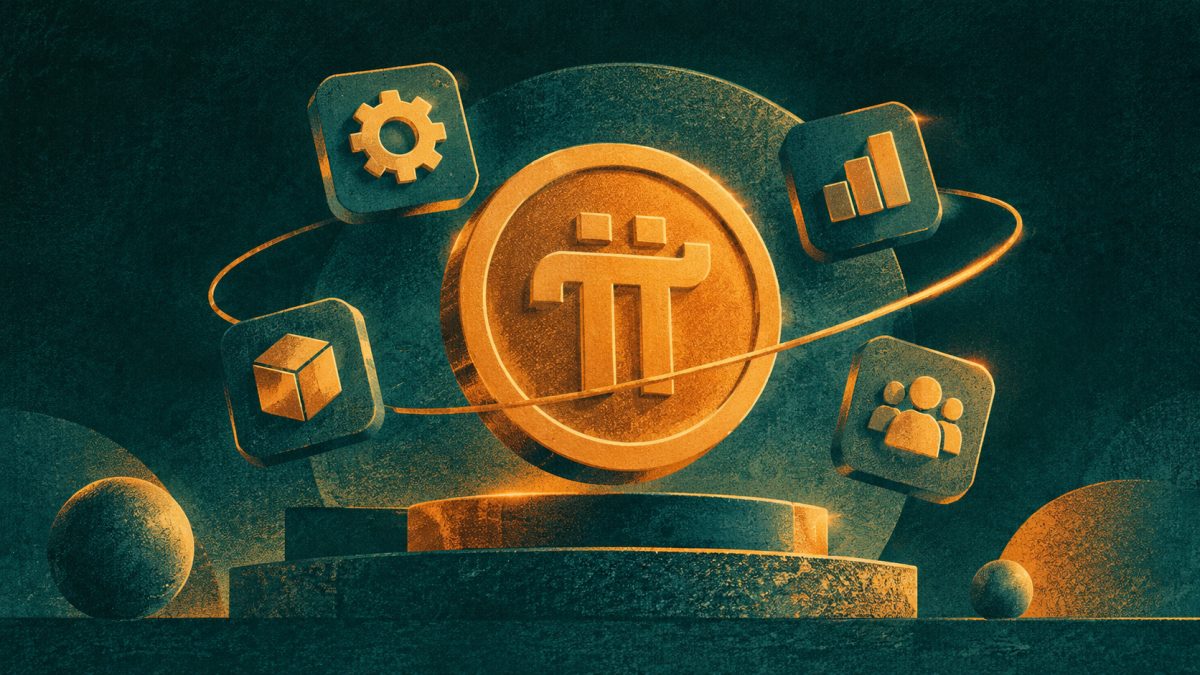
Pi Network Bolsters Ecosystem Infrastructure Ahead of Major Summit
TREE NEWS reports: Pi Network has rolled out four new tools ahead of its upcoming Ecosystem Summit, aiming to strengthen its developer and user infrastructure. The changes include a new app-to-user (A2U) payment system, an improved Pi App Studio, a revamped ecosystem listing interface, and enhanced KYC and mainnet migration processes. These updates are designed to facilitate the creation and deployment of decentralized applications (dApps) on the Pi blockchain and to streamline user onboarding.
What Changed
- A2U Payments: A new payment flow that allows apps to send Pi directly to users, enabling new use cases such as rewards, refunds, and incentives.
- Pi App Studio: Enhanced development environment with better tools and templates for building Pi apps.
- Ecosystem Listing: A more organized and discoverable interface for listing and finding Pi apps.
- KYC and Migration: Improvements to the Know-Your-Customer process and mainnet migration to speed up user transition.
These updates come as Pi Network prepares for its Ecosystem Summit, which is expected to showcase the network’s growing dApp ecosystem and announce new partnerships. The summit is seen as a critical moment for Pi to demonstrate real-world utility beyond its mobile mining app.
Industry Analysis: Price Pressure and Ecosystem Growth
Despite the positive infrastructure developments, PI token has faced downward pressure following previous major events. Historically, PI price has declined after significant announcements, suggesting that the market may be pricing in hype rather than sustained utility. The upcoming summit could reverse this trend if it delivers tangible use cases and adoption metrics.
The new tools are a step toward building a self-sustaining ecosystem. The A2U payment system, in particular, could enable a circular economy within the Pi Network, where apps can reward users and users can spend Pi on services. However, the success of these tools depends on developer adoption and user engagement. Pi Network’s large user base is an advantage, but converting them into active dApp users remains a challenge.
Moreover, the enhanced KYC and migration processes are crucial for regulatory compliance and for integrating with external exchanges and services. As Pi moves toward a more open and decentralized model, these processes will be essential for scalability and trust.
Forward-Looking Perspective
The Ecosystem Summit will be a litmus test for Pi Network’s ability to transition from a mobile mining phenomenon to a functional blockchain ecosystem. Investors and developers will be watching for concrete announcements: dApps with real traction, partnerships with established players, and clear token utility. If the summit fails to impress, PI price could face further declines. Conversely, if Pi can showcase a vibrant ecosystem with active users and transactions, it could regain momentum.
In the broader context, Pi Network represents a unique experiment in grassroots crypto adoption. Its success or failure will offer lessons for other projects aiming to onboard non-crypto-native users. The coming months will be decisive for Pi’s long-term viability.