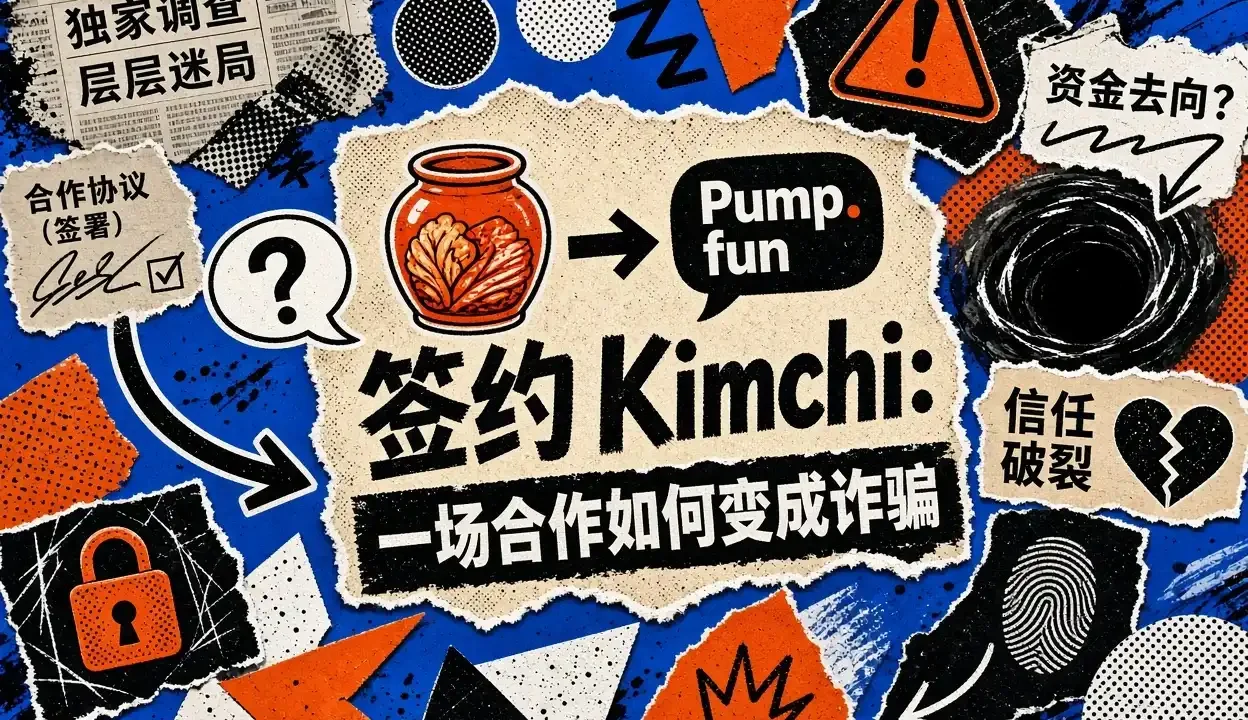
A Controversial Partnership
Pump.fun, the Solana-based memecoin launchpad, recently signed a partnership with Kimchi, a lesser-known project, and the collaboration quickly turned controversial. Within three hours of the announcement, the new token’s market capitalization surpassed $40 million, but on-chain data suggests that retail investors suffered heavy losses while insiders profited. The episode has raised questions about transparency and accountability in the memecoin ecosystem.
How It Unfolded
The partnership was announced with much fanfare, driving a surge in trading activity. However, blockchain analytics reveal that a small number of wallets acquired a significant portion of the token supply early on and sold into the hype. The token’s price plummeted shortly after, leaving many retail buyers with steep losses. Critics argue that the collaboration was structured in a way that resembles a pump-and-dump scheme, though the involved parties have not publicly addressed the allegations.
Industry Implications
This incident highlights the risks inherent in the unregulated memecoin space, where hype-driven launches can lead to substantial retail harm. It also underscores the need for better due diligence and transparency from platforms like Pump.fun, which have become gateways for speculative tokens. Regulators may take notice, especially as retail losses mount and calls for investor protection grow louder.
Looking Ahead
As the crypto community grapples with the fallout, the focus will be on whether Pump.fun and similar platforms implement safeguards to prevent such outcomes. The incident could accelerate efforts to establish best practices for token launches, including lock-ups, vesting schedules, and disclosure requirements. For now, it serves as a cautionary tale about the perils of hype-driven collaborations in the memecoin arena.