Polygon Considers Unprecedented Hard Fork to Reclaim Hacker Funds
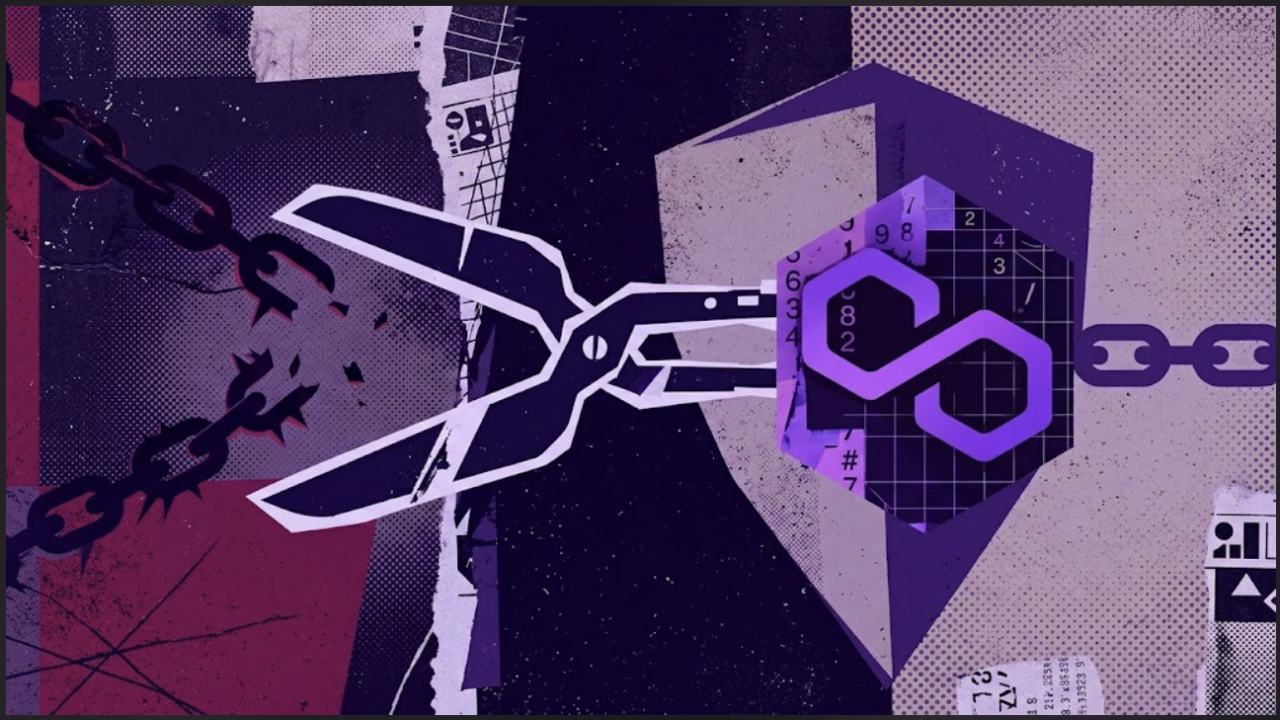
A proposal from Polymarket and Binance has thrust Polygon into a governance firestorm: should the network execute a hard fork to zero out approximately 70.49 million POL tokens (worth about $6.7 million) held in a hacker’s address and redirect them to a designated recovery address? The matter will be argued at a Polygon Protocol Governance Call (PPGC) on November 5 at 22:30 UTC.
The move follows a exploit that drained funds from Polymarket’s liquidity pools on Polygon. While the attacker’s identity remains unknown, the stolen POL tokens sit in a publicly visible wallet. Rather than pursuing the attacker through legal channels, the proposal seeks to use protocol-level intervention to rewrite the balance—a step that critics say blurs the line between freezing and keyless seizure.
Freeze vs. Keyless Transfer: A Legal and Technical Distinction
Freezing an address typically involves blacklisting it at the smart-contract level, preventing the attacker from moving funds. A hard fork that alters the balance goes further: it effectively confiscates assets without requiring the attacker’s private key. This is not merely a technical upgrade; it is a state-like action executed by node operators and validators.
Proponents argue that the stolen funds belong to users and that recovering them is a moral imperative. They note that similar interventions have occurred on other chains—such as Ethereum’s DAO fork in 2016—though those were existential crises, not routine asset recoveries. Opponents warn that normalizing such forks sets a dangerous precedent: if a majority of validators can rewrite balances, the network’s credible neutrality is undermined.
Industry Implications: A Slippery Slope?
The decision could ripple across DeFi. If Polygon proceeds, other chains may face pressure to intervene in high-profile hacks. Conversely, a rejection could embolden attackers who see on-chain funds as untouchable. The PPGC debate will likely center on governance legitimacy: who decides when a fork is justified, and what safeguards prevent arbitrary seizures?
For institutional users, the outcome matters. A network willing to alter balances may be seen as less censorship-resistant, potentially deterring large-scale DeFi deployments. Yet a network that refuses to help victims may be viewed as indifferent to user safety.
Forward Look
Regardless of the PPGC outcome, the proposal has already sparked a broader conversation about the limits of decentralization. As DeFi matures, expect more calls for recovery mechanisms—and more contentious debates about where the line between code and law should be drawn. The crypto industry may need a new framework for handling stolen assets that balances user protection with protocol integrity.