A 1980s-Style Bipartisan Bull Market? Strategist Draws Parallels
TREE NEWS reports: A prominent market strategist is urging investors to look back to the 1980s for a roadmap to the next leg of the bull market. The argument: just as a Republican president, a Democratic House Speaker, and an inflation-fighting Federal Reserve chair combined to fuel a powerful multi-year rally, today’s political and monetary setup could produce a similar “bull stampede” if bipartisanship takes hold.
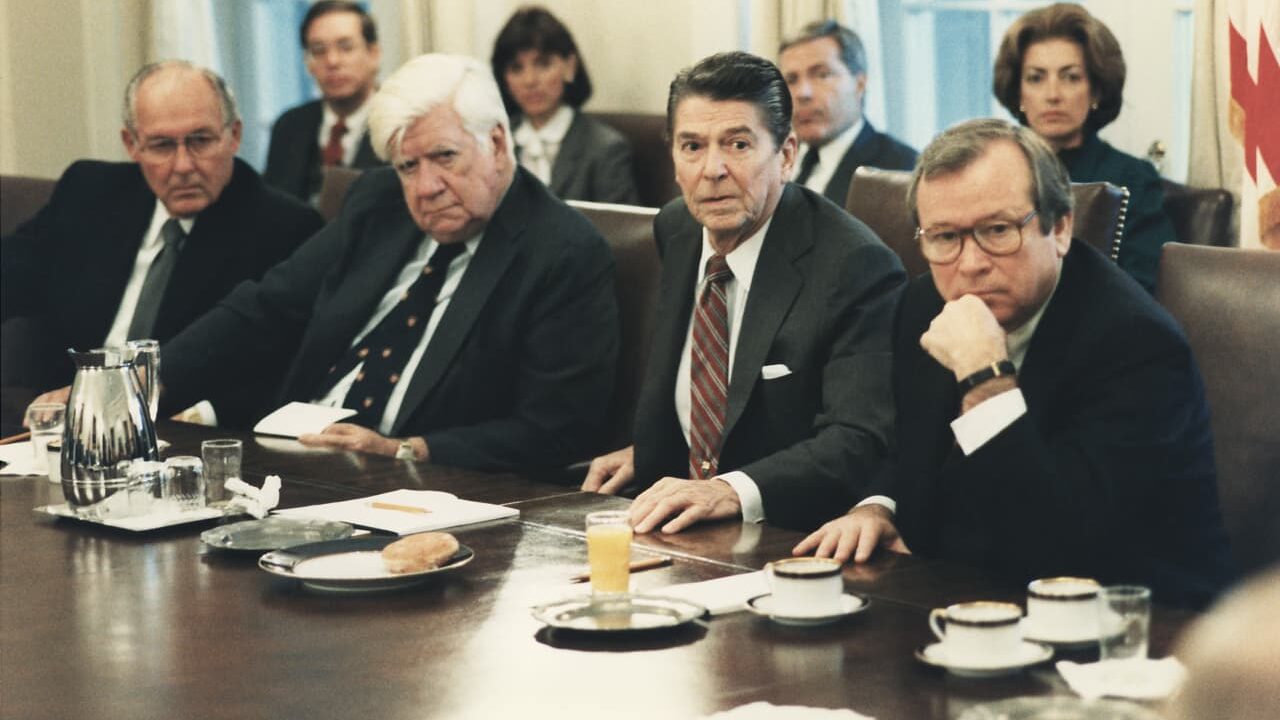
The strategist points to the 1980s as a template: President Ronald Reagan and House Speaker Tip O’Neill, despite fierce ideological differences, eventually found common ground on tax reform and Social Security, while Fed Chair Paul Volcker tamed inflation. That combination of fiscal cooperation and credible monetary policy helped launch an 18-year bull market in U.S. stocks.
Today, the strategist argues, a similar dynamic may be forming. With inflation cooling and the Fed potentially nearing the end of its tightening cycle, the stage is set for a rally if Washington can deliver bipartisan legislation on infrastructure, energy permitting, or fiscal discipline. The strategist suggests that divided government, often seen as a negative for markets, could actually be a positive if it forces compromise.
Market Implications
Stocks
Equities would be the primary beneficiary of a bipartisan breakthrough. A rally driven by fiscal cooperation and falling inflation could broaden beyond mega-cap tech into cyclical sectors, small caps, and industrials. Sectors tied to infrastructure spending—materials, construction, and utilities—could outperform. Financials might also gain if regulatory clarity emerges.
Bonds
Bonds could face crosscurrents. On one hand, a credible Fed and cooling inflation support duration. On the other, bipartisan spending could widen deficits and pressure long-end yields. The strategist’s scenario implies a steeper yield curve as growth expectations improve.
Crypto
Crypto, increasingly correlated with risk assets, could benefit from a broader risk-on environment. But regulatory clarity is key—bipartisan legislation on digital assets would be a major catalyst. Without it, crypto may lag.
Commodities
Commodities would be a mixed bag. Industrial metals like copper could rally on infrastructure spending, while energy prices may be capped if permitting reform boosts supply. Gold could lose some appeal if real yields rise.
Currencies
The dollar could strengthen initially on growth optimism, but a widening deficit could weigh on the currency over time. A bipartisan fiscal package might also reduce safe-haven demand for the dollar.
Key Takeaways for Investors
- Political gridlock isn’t always bad: Divided government can force compromise and produce market-friendly outcomes.
- Watch for bipartisan deals: Legislation on infrastructure, energy, or digital assets could be a catalyst for a broad rally.
- Fed credibility matters: A credible inflation-fighting Fed, as in the 1980s, is essential for sustaining a bull market.
- Diversify beyond tech: A bipartisan-driven rally could favor cyclicals, small caps, and industrials.
- Bonds may face volatility: Fiscal spending could steepen the yield curve and pressure long-duration bonds.
While historical parallels are never perfect, the strategist’s argument offers a compelling framework for investors looking beyond the next quarter. If Washington can deliver even modest bipartisanship, the next leg of the bull market could be broader and more durable than many expect.