Binance Tightens Compliance Grip
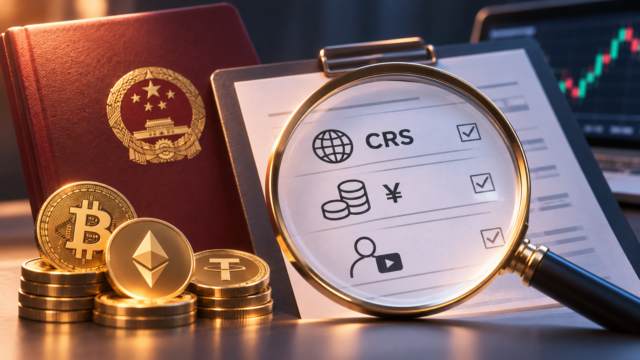
TREE NEWS reports: Binance co-CEO Yi He has issued a stark warning to users: do not deposit funds of dubious origin into the exchange, or risk having those assets frozen. In a public statement, He listed examples such as “discounted USDT from a friend,” “crypto sent by a relative from an on-chain wallet,” “money from doing business in Myanmar,” and “receivables collected in Cambodia.” She emphasized that Binance enforces strict global compliance standards and that suspicious addresses may trigger asset freezes.
Compliance as a Competitive Necessity
The warning comes as major exchanges face intensifying regulatory scrutiny worldwide. Binance itself has been under heightened supervision following a 2023 settlement with U.S. authorities that included a $4.3 billion penalty and a monitorship. Since then, the exchange has invested heavily in compliance infrastructure, including enhanced know-your-customer (KYC) procedures, transaction monitoring, and partnerships with blockchain analytics firms.
He’s remarks underscore a broader shift in the crypto industry: exchanges can no longer afford to turn a blind eye to the provenance of funds. With regulators in the U.S., EU, and Asia tightening anti-money-laundering (AML) rules, platforms that fail to police deposits risk losing licenses or facing enforcement actions. For users, the message is clear—convenience cannot come at the expense of compliance.
Implications for Users and the Market
The warning has several practical implications:
- Deposit screening: Binance and other exchanges are increasingly using on-chain analytics to flag addresses linked to darknet markets, sanctioned entities, or high-risk jurisdictions. Users who receive funds from such sources may find their accounts restricted.
- Legal risks: In many jurisdictions, merely holding tainted crypto can lead to legal trouble. Exchanges are obligated to report suspicious activity and may freeze assets pending investigation.
- Market confidence: While stricter compliance may inconvenience some users, it ultimately strengthens the legitimacy of the crypto ecosystem and attracts institutional capital.
The warning also highlights the growing importance of “clean” on-chain reputation. As blockchain surveillance tools become more sophisticated, the ability to trace fund origins will only improve, making it harder to launder illicit proceeds through centralized platforms.
Forward Look
Binance’s stance is likely to be replicated across the industry. Expect more exchanges to issue similar advisories and to implement automated systems that block deposits from high-risk addresses. For users, the takeaway is to verify the source of any crypto before moving it to a regulated platform. As He put it, “If you can’t explain where the money came from, don’t bring it to Binance.”
In the long run, this trend could lead to a more transparent and resilient crypto market, where compliance is not just a regulatory requirement but a core part of the value proposition for exchanges.