Asian Markets Surge in Sympathy Rally
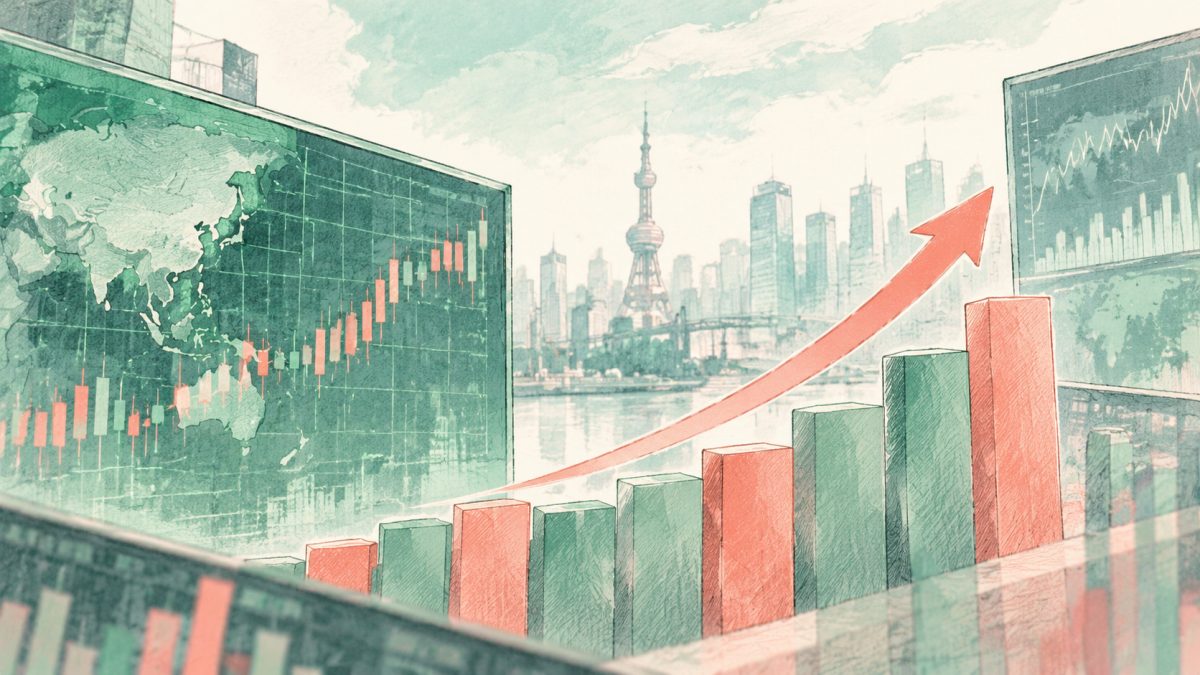
TREE NEWS reports: Asian equities staged a powerful rebound on Tuesday, with Japan’s Nikkei 225 climbing 3.4% and South Korea’s KOSPI adding 1.5%. The rally followed a strong session on Wall Street, but market strategists caution that Asia is echoing rather than leading the global risk-on move.
Broad-Based Gains Across the Region
The advance was broad, with technology and semiconductor names leading the charge. Investors returned to risk assets after a period of volatility, but the underlying drivers remain external—primarily the trajectory of U.S. monetary policy and corporate earnings.
- Nikkei 225: +3.4%, driven by tech and export-oriented stocks
- KOSPI: +1.5%, with chipmakers and battery suppliers outperforming
- Other Asian indices: modest gains, though volume remained below average
Echo, Not Leadership
Despite the impressive headline numbers, the price action suggests Asian markets are still tethered to Wall Street’s lead. “The correlation with U.S. futures remains elevated,” noted one Tokyo-based strategist. “Until we see domestic catalysts—such as meaningful wage growth or a sustained pickup in Chinese demand—Asia will continue to take its cues from the Fed and U.S. tech earnings.”
Currency dynamics also played a role. A softer U.S. dollar provided temporary relief for Asian exporters, but the yen’s stability near multi-decade lows keeps intervention risk alive.
Implications for Crypto and RWA Markets
For digital-asset investors, the Asian equity rebound is a double-edged sword. On one hand, improved risk appetite could spill over into crypto, particularly in jurisdictions like Japan and South Korea where retail participation is significant. On the other, if the rally proves to be a dead-cat bounce, any crypto uptick may be equally short-lived.
The tokenized real-world asset (RWA) sector, which has been gaining traction among Asian institutions, could benefit from a sustained equity recovery. A more stable macro backdrop would encourage further experimentation with on-chain bonds and funds. However, a reversal would likely delay such initiatives.
Forward Look
All eyes now turn to upcoming U.S. economic data and Federal Reserve commentary. Without a clear signal that inflation is sustainably cooling, Asian markets may struggle to break free from Wall Street’s orbit. For now, the rebound is a welcome respite—but not yet a regime change.