Oil’s Sharp Pullback Masks Persistent Geopolitical Risk
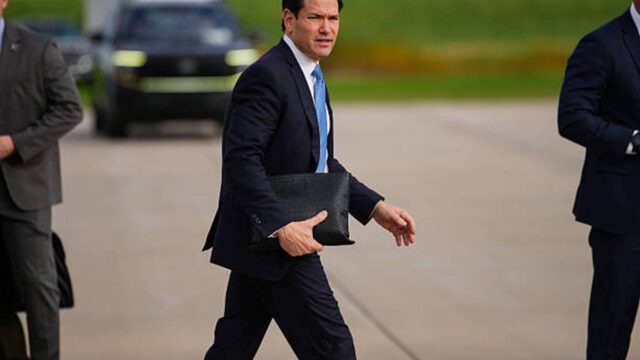
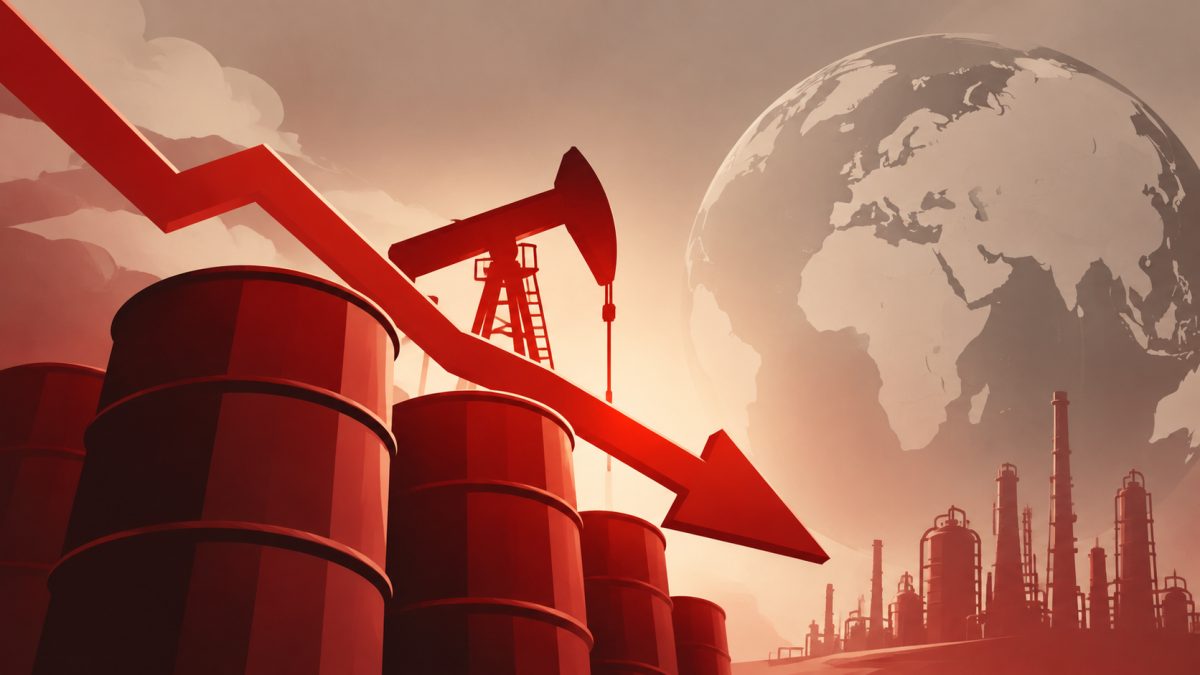
TREE NEWS reports: Brent crude tumbled more than 12.5% this week, marking one of its steepest weekly declines in recent memory, as traders priced in easing supply concerns and a stronger dollar. Yet the sharp sell-off may be premature, a former senior advisor to President Biden on energy and global affairs, who cautioned that the odds of a direct conflict with Iran remain “above 50/50” and that attacks on tankers in the Strait of Hormuz continue to pose a material threat to global energy flows.
Why the Market Might Be Complacent
The weekly drop in Brent was driven by a confluence of factors: softer-than-expected demand data from Asia, a rebound in US crude inventories, and a broader risk-off move across commodities. But Hochstein’s warning highlights a disconnect between short-term price action and the underlying geopolitical reality. The Strait of Hormuz, through which roughly 20% of global oil passes, remains a flashpoint. Persistent attacks on commercial shipping — even if below the threshold of a full-scale war — can disrupt insurance markets, reroute tankers, and spike freight costs, all of which feed into inflation.
Implications for Crypto and Digital Assets
For crypto markets, the macro backdrop is increasingly intertwined with geopolitical risk. A renewed escalation in the Middle East would likely trigger a flight to safety, boosting demand for assets like gold and, potentially, Bitcoin as a hedge against inflation and geopolitical instability. However, the same scenario could also strengthen the US dollar, which historically has an inverse correlation with risk assets including crypto. Stablecoin flows, particularly those pegged to the dollar, could see increased activity as traders seek liquidity amid volatility.
- Bitcoin as a geopolitical hedge: Renewed conflict could accelerate the narrative of Bitcoin as “digital gold,” attracting institutional allocations.
- Energy costs and mining: Higher oil prices would raise operational costs for proof-of-work miners, pressuring margins.
- Stablecoin demand: Dollar-pegged tokens may see inflows as investors seek safe-haven liquidity within crypto.
Forward Outlook
The market’s sharp reaction to this week’s price drop suggests that traders are pricing in a benign scenario. If Hochstein’s assessment proves correct, the risk of a sudden reversal in oil prices remains high. For crypto investors, the key takeaway is that geopolitical risk is not a distant abstraction — it is a live variable that can influence everything from mining economics to stablecoin flows and institutional adoption. Monitoring tanker traffic in the Strait of Hormuz and insurance premiums for shipping may offer earlier signals than headline oil prices.