GLP-1 Drugs Linked to Vision Loss Risk: What It Means for Novo Nordisk, Eli Lilly and Investors
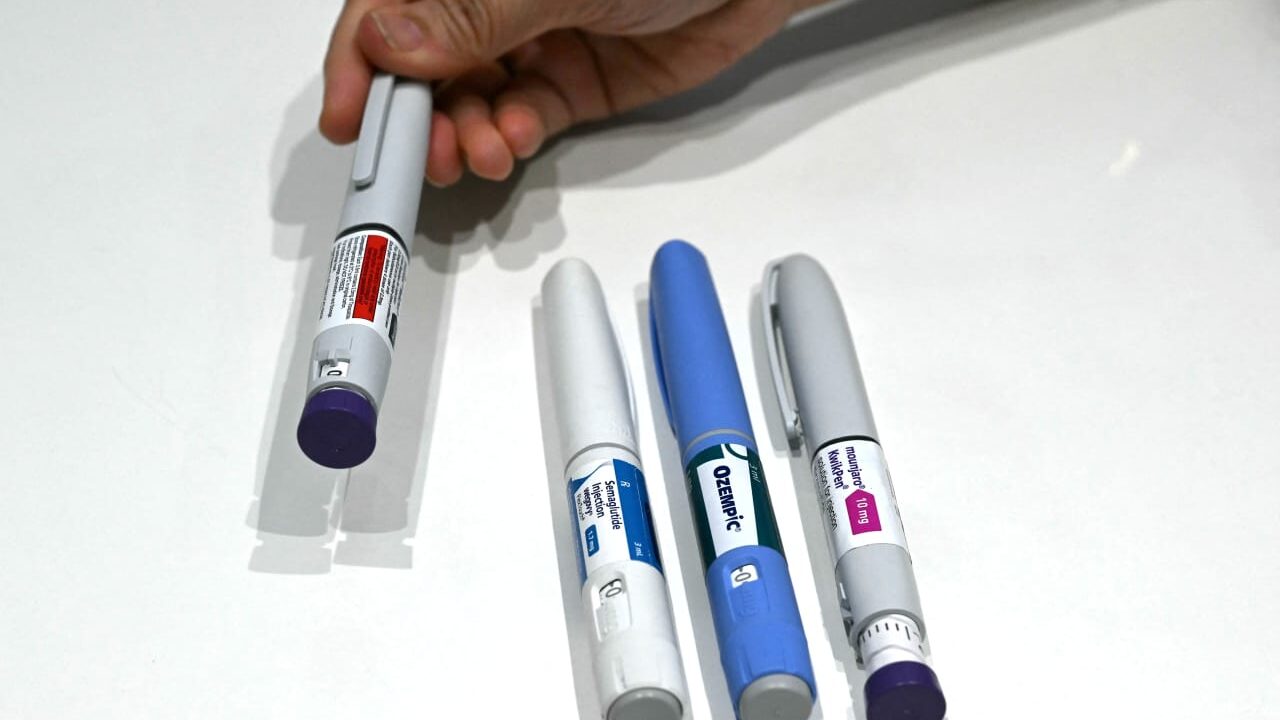
TREE NEWS reports: Several medical studies have found that people taking GLP-1 medications—including Novo Nordisk’s Ozempic and Wegovy, and Eli Lilly’s Zepbound and Mounjaro—face an elevated risk of developing nonarteritic anterior ischemic optic neuropathy (NAION), a rare eye condition that can cause sudden, permanent vision loss. The findings, which have circulated in medical literature and among researchers, add a potential safety concern to the world’s most sought-after class of weight-loss and diabetes drugs.
NAION is caused by reduced blood flow to the optic nerve and typically affects one eye. While the absolute risk remains low, the reports are significant because GLP-1 drugs are used by millions of patients globally and are central to the growth strategies of two of Europe’s and America’s most valuable pharmaceutical companies.
Market Implications
Stocks: Novo Nordisk and Eli Lilly Under Scrutiny
The most direct impact would be on Novo Nordisk and Eli Lilly, the two dominant players in the GLP-1 market. Any safety signal that leads to label changes, stricter prescribing guidelines, or slower adoption could pressure revenue forecasts. Novo Nordisk has already faced competitive and supply challenges in 2024; a new safety concern could amplify volatility in its shares. Eli Lilly, which has leaned heavily on Zepbound and Mounjaro for growth, could see similar sensitivity.
However, context matters: GLP-1 drugs have been linked to various side effects (gastrointestinal issues, muscle loss) without derailing demand. If regulators conclude that NAION risk is manageable or confined to patients with pre-existing conditions, the market impact may be short-lived. Investors should watch for any statements from the FDA, EMA, or other regulators, as well as updates to prescribing information.
Bonds and Broad Markets
The GLP-1 story is unlikely to move government bonds or broad indices on its own. However, if the news triggers a significant selloff in Novo Nordisk or Eli Lilly, it could weigh on European and U.S. healthcare sectors. Given the companies’ large market capitalizations, a sharp decline could have a modest ripple effect on index performance, particularly in Denmark’s OMXC25 and the S&P 500 healthcare sector.
Crypto and Commodities
There is no direct link between GLP-1 safety news and cryptocurrency markets. Crypto remains driven by macro liquidity, regulatory developments, and risk sentiment. Commodities could see minor effects: if demand for GLP-1 drugs slows, it might marginally affect expectations for agricultural commodities or ingredients used in manufacturing, but this is a second-order effect at best.
Currencies
The Danish krone (DKK) could be sensitive to Novo Nordisk’s stock performance given the company’s weight in Denmark’s economy and equity market. A sustained decline in Novo Nordisk shares could weigh on the krone, though Denmark’s central bank maintains a tight peg to the euro, limiting volatility. The euro and U.S. dollar are unlikely to be affected directly.
Key Takeaways for Investors
- Monitor regulatory responses: Any official statement from the FDA or EMA will be critical. A simple label update may be absorbed; a restrictive warning could be more damaging.
- Assess the absolute risk: NAION is rare. The market reaction will depend on whether the risk is seen as a niche issue or a broader public-health concern.
- Watch competitive dynamics: If safety concerns slow adoption of GLP-1 drugs, competitors with alternative mechanisms (e.g., oral pills or other injectables) could benefit.
- Don’t overreact to headlines: Pharmaceutical stocks often swing on safety news, but long-term fundamentals—patent protection, pipeline strength, and global demand—remain the dominant drivers.
- Diversify: For investors heavily exposed to healthcare or obesity-drug themes, consider rebalancing to manage event risk.
The GLP-1 revolution is far from over, but this development is a reminder that even blockbuster drugs carry risks—and that investors should price in headline volatility accordingly.