Veterans Day Trading: What History Says About Post-Holiday Stock Moves
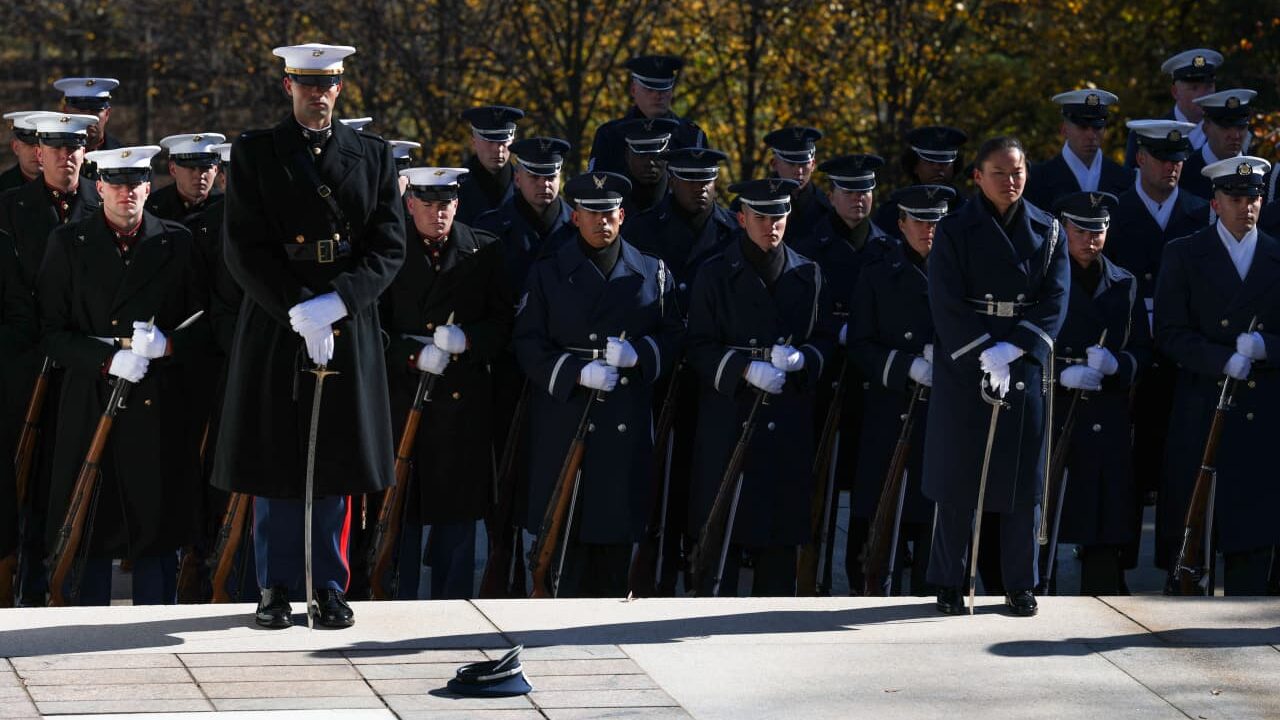
TREE NEWS reports: U.S. stock exchanges will operate on a normal schedule this Wednesday for Veterans Day, keeping equity trading open even as the bond market closes for the federal holiday. The split schedule — equities open, fixed income shuttered — creates an unusual session that historically has produced modest but noteworthy patterns in the major indexes.
Veterans Day, observed annually on November 11, is one of the few federal holidays on which the New York Stock Exchange and Nasdaq remain open. The bond market, by contrast, follows the federal holiday calendar and shuts down, meaning Treasury trading is suspended for the day.
How the Market Has Behaved After the Holiday
Looking at the past decade of post-Veterans Day sessions, the S&P 500 has tended to trade in a narrow range, with light volume and muted volatility. The absence of Treasury market participants removes a key source of price discovery, while many institutional equity desks operate with reduced staffing. The result is often a drift session that reflects the prior day’s momentum rather than fresh fundamental catalysts.
Historical data points to a mild positive skew in the days immediately following the holiday, though the sample size is small and the effect is easily overwhelmed by macro news flow. In years when Veterans Day fell during a strong fourth-quarter rally, the post-holiday session typically extended gains; in weaker years, the holiday break offered little relief.
Market Implications
- Equities: Expect thin liquidity and range-bound trading. Large-cap indexes may drift, but single-stock volatility can spike on light volume as large orders move prices disproportionately.
- Bonds: The Treasury market is closed, so there is no cash trading in government debt. Futures may still trade on CME, offering a partial read on rate expectations.
- Crypto: Digital assets trade 24/7 and are unaffected by the holiday schedule. With traditional markets quiet, crypto can become the marginal price-setter for risk sentiment during the session.
- Commodities and currencies: Futures markets generally remain open, though liquidity thins. FX desks may see wider spreads.
Why It Matters for Investors
Holiday sessions rarely change the medium-term outlook, but they can matter for execution. Thin liquidity amplifies slippage and can trigger outsized moves on modest news. Investors with large orders may prefer to wait for fuller participation. More importantly, the split schedule — stocks open, bonds closed — means equity markets are trading without their usual fixed-income anchor, which can distort the signal from any intraday move.
For long-term investors, the takeaway is straightforward: do not read too much into a holiday session. The more meaningful question is whether the broader fourth-quarter trend — driven by earnings, rate expectations and macro data — remains intact. Veterans Day itself is a scheduling quirk, not a market catalyst.