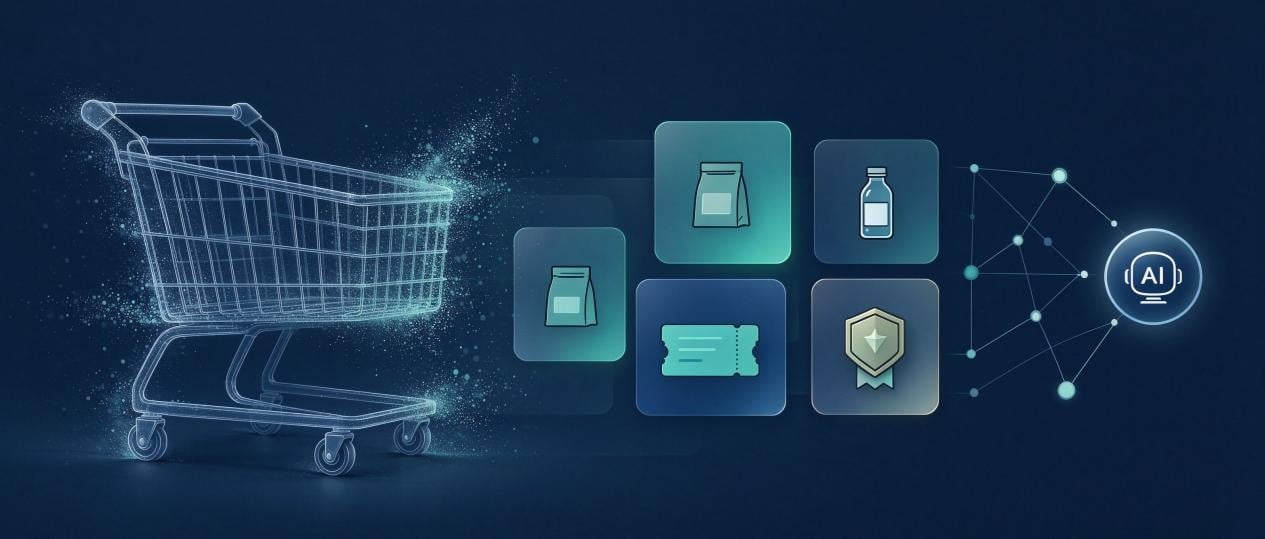
Consumer RWA: Beyond Tokenization Hype
Consumer real-world assets (RWA) are often misunderstood as either a new e-commerce model or a novel investment product. In reality, they represent a commercial connective layer that links physical goods, consumer rights, and the fulfillment process. This layer does not seek to replace e-commerce platforms; instead, it enhances them by making consumer rights usable, queryable, and traceable long after a transaction is completed.
Defining the Boundaries
Unlike financial RWA, which focuses on tokenizing income-generating assets like real estate or bonds, consumer RWA centers on the rights attached to goods and services. It differs from e-commerce because it does not primarily facilitate buying and selling; it manages the lifecycle of post-purchase entitlements. It also diverges from membership systems and digital collectibles, which often lack a direct link to physical fulfillment or tradable utility.
The core innovation lies in creating a value loop where brands, producers, platforms, and consumers each play a clear role. Brands issue tokenized rights, producers verify fulfillment, platforms provide infrastructure, and consumers gain portable, verifiable entitlements. This division of labor enables a more transparent and efficient commercial ecosystem.
Implications for Industry Stakeholders
- Brands: Can offer programmable loyalty, warranties, and resale rights, deepening customer engagement beyond one-time purchases.
- Producers: Gain a tamper-proof way to prove authenticity and fulfillment, reducing disputes and fraud.
- Platforms: Can build new revenue streams by facilitating the trading and management of consumer rights.
- Consumers: Enjoy greater control over their purchases, including the ability to transfer or resell rights in a secure manner.
Moreover, consumer RWA is poised to play a crucial role in AI-agent-driven commerce. As autonomous agents begin to transact on behalf of users, having standardized, on-chain representations of consumer rights will be essential for machine-to-machine verification and execution.
Challenges Ahead
Despite the promise, several hurdles remain. Off-chain trust is paramount: the token must accurately reflect real-world goods and services. Regulatory clarity is needed to determine how these rights are classified and taxed. Cost-effectiveness at scale, especially for low-value items, is another concern. Finally, user education is critical to drive adoption and prevent confusion with speculative digital assets.
The path forward requires collaboration between traditional businesses and blockchain innovators. Pilot projects in luxury goods, electronics, and event ticketing are already exploring these concepts. As infrastructure matures and regulatory frameworks solidify, consumer RWA could become the invisible backbone of a more connected and trustworthy commercial landscape.