401(k) Limits Get a Bump for 2027, While IRA Caps Stay Put
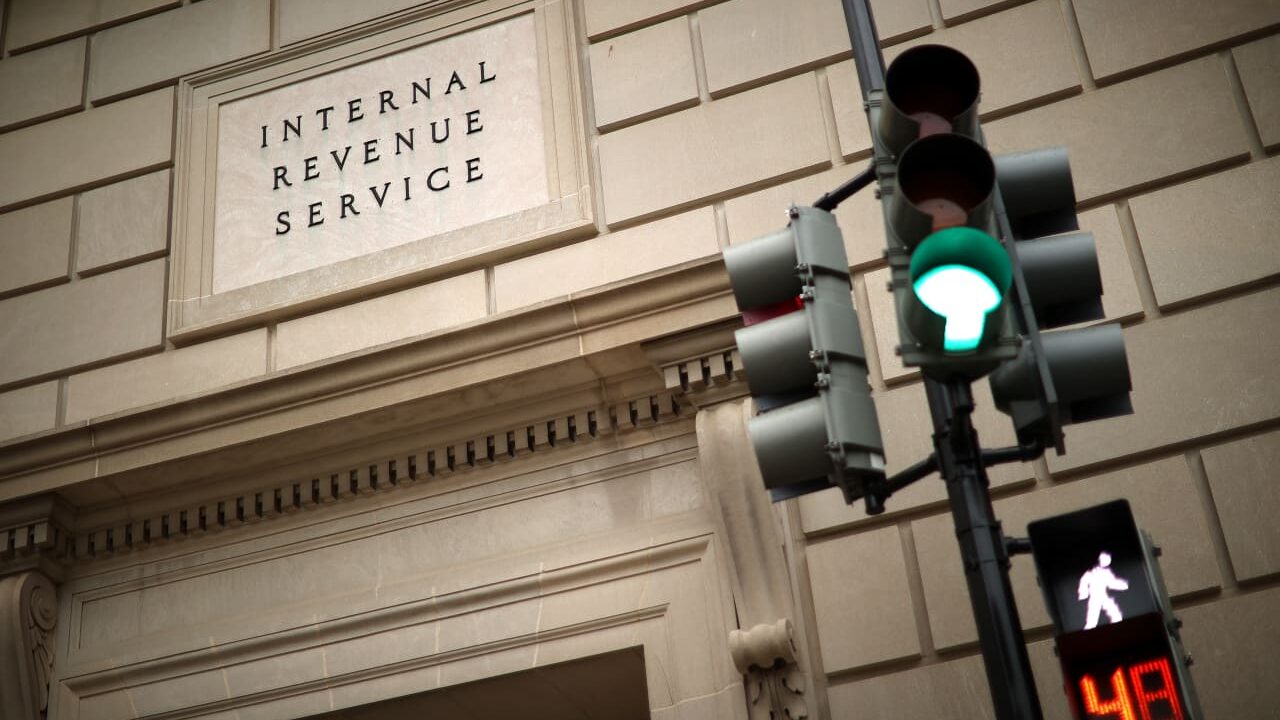
TREE NEWS reports: The Internal Revenue Service has announced the 2027 contribution limits for workplace retirement plans, giving savers in 401(k)s and similar defined-contribution plans a modest increase in how much they can set aside pre-tax. However, the limits for individual retirement accounts (IRAs) remain unchanged, creating a growing disparity between employer-sponsored plans and individual savings vehicles.
Specifically, the elective deferral limit for 401(k), 403(b), and most 457 plans will rise to $24,500 in 2027, up from $23,500 in 2026. The catch-up contribution limit for savers aged 50 and older stays at $7,500, while the enhanced catch-up for those aged 60 to 63 remains $11,250. Meanwhile, the IRA contribution limit will stay at $7,000, with a $1,000 catch-up for those 50 and over.
Why the Divergence Matters
The gap between workplace plans and IRAs has been widening for years, but the 2027 adjustments underscore a policy tilt toward employer-sponsored retirement savings. For most workers, the 401(k) remains the primary retirement vehicle, and the higher limit allows them to shelter more income from taxes. Yet the stagnant IRA limit may disappoint self-employed individuals, gig workers, and those who rely on IRAs after leaving a job.
Additionally, the income thresholds for Roth IRA contributions and the deduction limits for traditional IRA contributions are also subject to annual adjustments; while not detailed in the initial announcement, they are expected to rise slightly with inflation.
Market Implications: Flows, Not Fireworks
For financial markets, changes in retirement contribution limits are typically slow-moving and incremental. The increase in 401(k) limits could funnel a few billion dollars more into equities and bonds over the course of the year, but the effect is diffuse and unlikely to move prices on its own. Still, it reinforces a structural tailwind for asset managers and fund providers, particularly those with large defined-contribution footprints.
- Stocks: Asset managers like BlackRock, Vanguard, and Fidelity stand to benefit from higher inflows into 401(k) plans, though the impact is marginal. The broader equity market may see a slight uptick in demand for target-date funds and index products, but this is a background factor rather than a catalyst.
- Bonds: Higher contribution limits could support demand for fixed-income funds within retirement accounts, especially as plan participants seek balanced allocations. However, with the limit increase modest, the effect on Treasury yields is negligible.
- Crypto: While a small but growing number of 401(k) plans offer crypto exposure, the higher limit does little to change the calculus for most savers. The unchanged IRA limit means self-directed crypto investors won’t get extra room, but the overall impact is minimal.
- Commodities and Currencies: No direct impact. Retirement savings flows are a slow-moving force and do not typically influence short-term commodity or currency movements.
Key Takeaways for Investors
- Maximize your 401(k) if you can: The higher limit gives you more room to save pre-tax, which can lower your taxable income now and boost long-term growth.
- IRA savers face a flat cap: If you rely on an IRA, your contribution ceiling remains $7,000 (or $8,000 if 50+), so consider other savings vehicles if you want to save more.
- Check income limits: Roth IRA eligibility and traditional IRA deduction thresholds may adjust; review your eligibility to avoid penalties.
- Long-term focus: These changes are incremental and should not prompt portfolio shifts; they are part of a broader retirement savings landscape that rewards consistent contributions.
As always, consult a financial advisor to determine how these limits fit your personal retirement strategy.