Vitalik Buterin Outlines Ethereum’s Future: DeFi Security, AI Agents, and Quantum Resistance
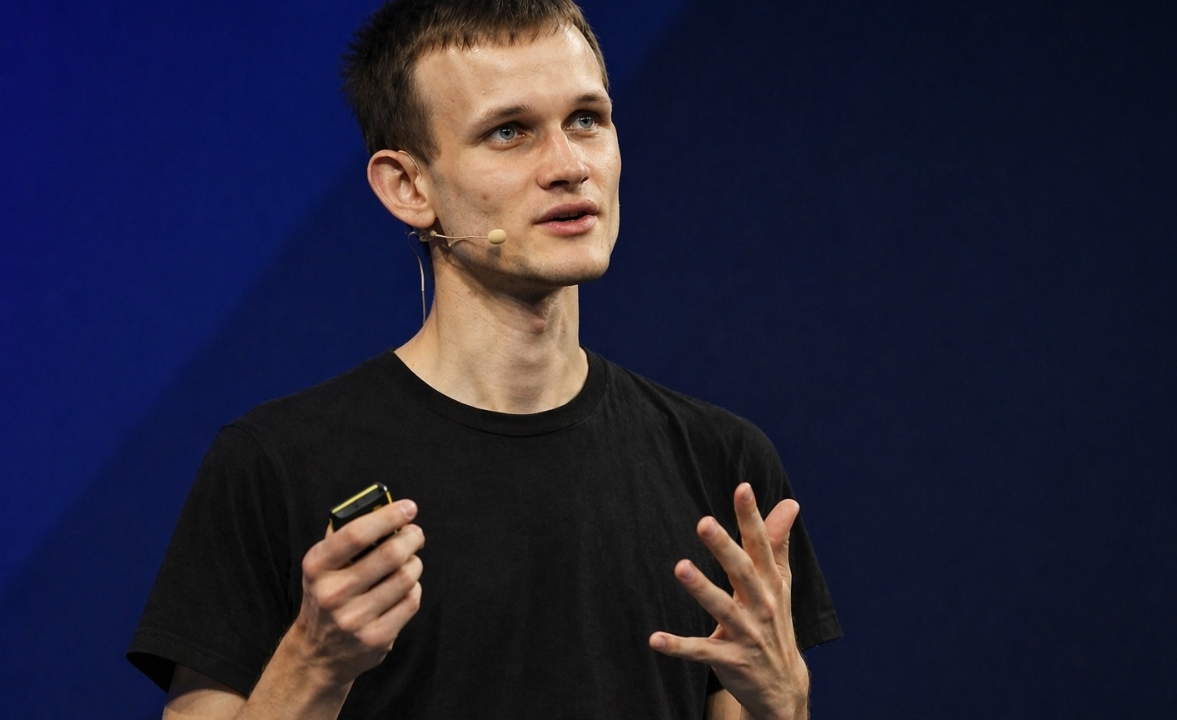
TREE NEWS reports: At a Devcon side event in Hong Kong, Ethereum co-founder Vitalik Buterin shared his vision for the network’s future, covering DeFi security, quantum resistance, AI integration, and formal verification. He emphasized that blockchain security, decentralization, and application value remain paramount, while DeFi must enhance infrastructure security and minimize trust assumptions.
DeFi Security and Trust Minimization
Buterin highlighted the need for DeFi protocols to reduce reliance on human intervention and centralized components. He proposed concepts like slow oracles and options-based designs, with hashes as a core foundation. This approach aims to create more robust and trustless financial systems, aligning with Ethereum’s ethos of decentralization.
AI as a New Interface and Payment Pathway
Looking ahead, Buterin sees AI becoming a new user interface and payment method, potentially enabling agent-to-agent interactions. He envisions a future where autonomous agents transact on-chain, requiring Ethereum to be scalable, secure, and adaptable to machine-driven economies.
Post-Quantum Security and Formal Verification
To support long-term resilience, Buterin pointed to post-quantum cryptography, RISC-V architecture, and STARK-based formal verification as key pillars. These technologies will reduce dependence on human auditing, making smart contracts safer and more reliable. The discussion underscores Ethereum’s commitment to staying at the forefront of cryptographic innovation.
Industry Implications
Buterin’s remarks signal a strategic shift toward hardening Ethereum’s infrastructure while embracing emerging technologies. The focus on formal verification and quantum resistance addresses growing concerns about security and future-proofing. Meanwhile, the integration of AI agents could open new use cases and drive adoption, but also raises questions about governance and accountability. DeFi’s evolution toward trust minimization may attract institutional interest, as it aligns with regulatory demands for transparency and safety.
Forward-Looking Perspective
As Ethereum continues to evolve, Buterin’s vision paints a picture of a network that is not only scalable but also resilient to technological shifts. The emphasis on formal methods and post-quantum security suggests a proactive stance against future threats. However, the path to implementation will require coordinated efforts from developers, researchers, and the community. With AI and quantum computing on the horizon, Ethereum’s ability to adapt will be crucial in maintaining its position as a leading smart contract platform.