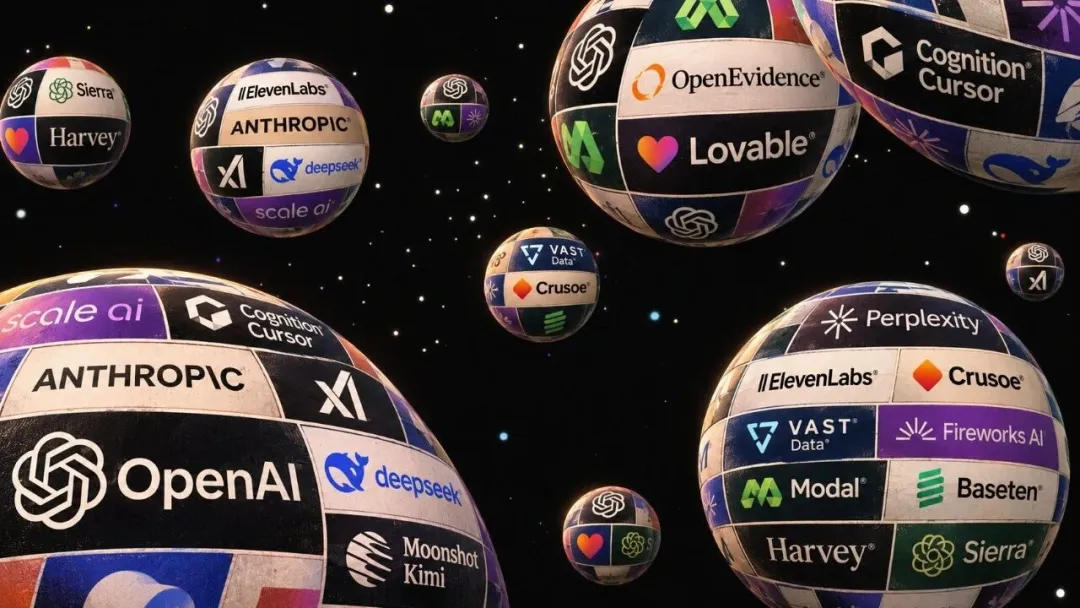
A Snapshot of AI’s Billion-Dollar Elite
As of November 14, thirty private AI companies have achieved valuations exceeding $10 billion while generating annualized revenue above $100 million. The ranking offers a rare glimpse into the financial scale of the generative AI boom, with OpenAI commanding a staggering $1.25 trillion valuation at the top.
OpenAI’s Dominance and Anthropic’s Revenue Surge
OpenAI remains the undisputed leader, its valuation dwarfing all peers. However, the revenue race is tightening: Anthropic has reportedly overtaken OpenAI in annualized revenue and is preparing for a Nasdaq listing. This development signals intensifying competition at the frontier of large language models, where commercial traction is becoming as critical as technological prowess.
Chinese Contenders Enter the Global Stage
DeepSeek and Moonshot AI (月之暗面) have secured spots in the top ten, marking a significant milestone for China’s AI ecosystem. Despite geopolitical tensions and export controls, these startups have demonstrated that innovation can thrive under constraints, leveraging efficient architectures and localized market knowledge to build substantial businesses.
Implications for the AI and Crypto Convergence
The staggering valuations underscore the market’s belief in AI as a transformative force. For the crypto industry, this boom has direct implications: decentralized compute networks, AI agent tokenization, and on-chain data marketplaces are increasingly attracting capital and talent. As these AI giants scale, demand for GPU infrastructure and verifiable inference will likely spill over into blockchain-based solutions, creating new opportunities for DeFi protocols and Web3 projects that cater to AI workloads.
Forward-Looking Perspective
The path to IPO for Anthropic and others will test public market appetite for AI valuations. Meanwhile, the rise of Chinese AI unicorns suggests a multipolar AI landscape, which could accelerate decentralized alternatives to centralized AI services. Investors should watch for regulatory developments, especially around data privacy and cross-border AI competition, as these will shape the next wave of innovation.