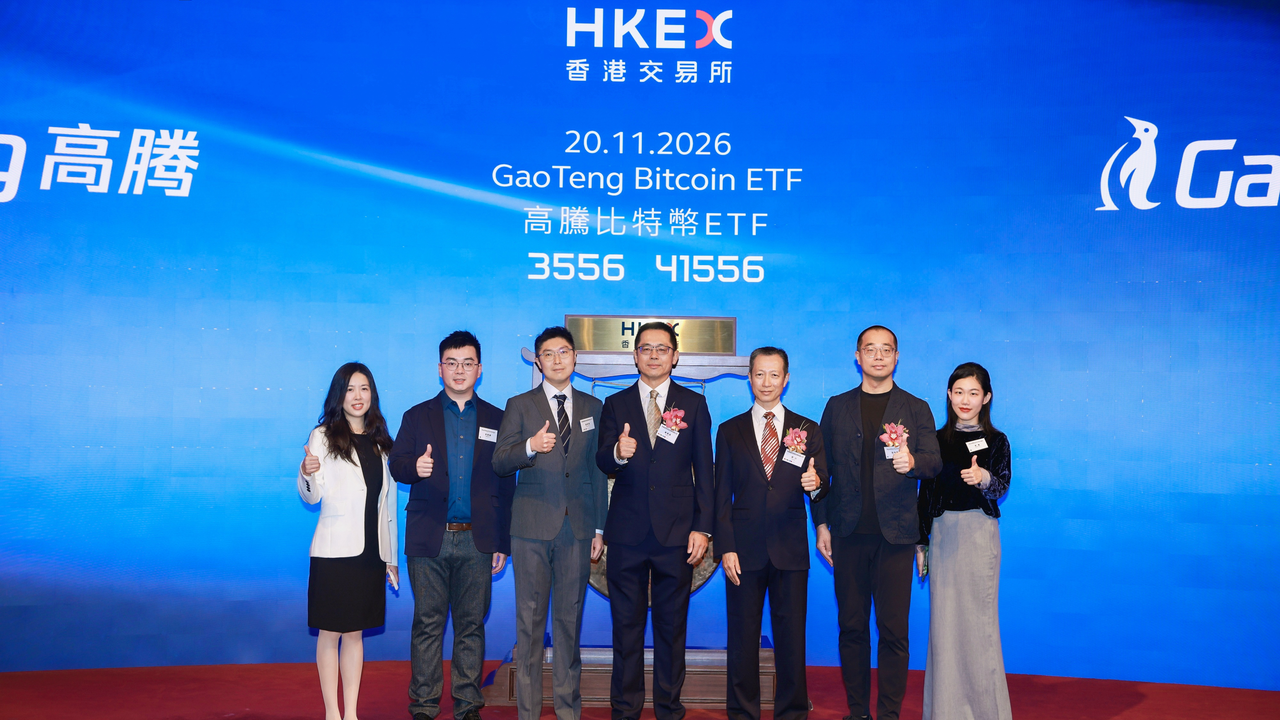
Institutional-Grade Custody for a New Bitcoin ETF
Hong Kong-based asset manager GaoTeng has listed its Bitcoin ETF, structured as a sub-fund of its open-ended fund company (OFC). The ETF employs a two-tier custody architecture: BOC International Prudential Trustee Limited serves as custodian for the fund’s overall assets, while HashKey Exchange, through its affiliated entity HashKey Custody Services Limited, acts as sub-custodian specifically for the Bitcoin holdings. This setup aims to provide institutional-grade safekeeping for digital assets while maintaining traditional fund oversight.
Why the Two-Tier Model Matters
The dual-custody structure is a significant development for crypto-backed investment products in Asia. By separating the custody of traditional assets from digital assets, the fund mitigates counterparty risk and aligns with regulatory expectations for institutional offerings. HashKey’s role as sub-custodian underscores the growing acceptance of specialized crypto custodians within mainstream finance. This model could become a blueprint for future ETFs in the region, especially as regulators demand robust safekeeping arrangements.
Implications for the RWA and Crypto Markets
The listing signals a maturing infrastructure for tokenized and crypto-linked products in Hong Kong. It also reflects the convergence of traditional finance (TradFi) and decentralized finance (DeFi) ecosystems, where regulated entities like HashKey bridge the gap. For investors, the ETF offers exposure to Bitcoin with the comfort of a regulated custody framework. For the broader market, it validates the role of specialized custodians in managing digital assets, potentially attracting more institutional capital.
Forward Look
As Hong Kong positions itself as a crypto hub, the success of this ETF could spur similar products across Asia. The two-tier custody model may become standard, encouraging further collaboration between traditional custodians and crypto-native firms. However, challenges remain, including regulatory clarity and market volatility. If adopted widely, this structure could enhance trust and pave the way for more sophisticated crypto investment vehicles.