Delta Flight Delays Expose Fragility of Airline Tech, Testing Travel Stocks
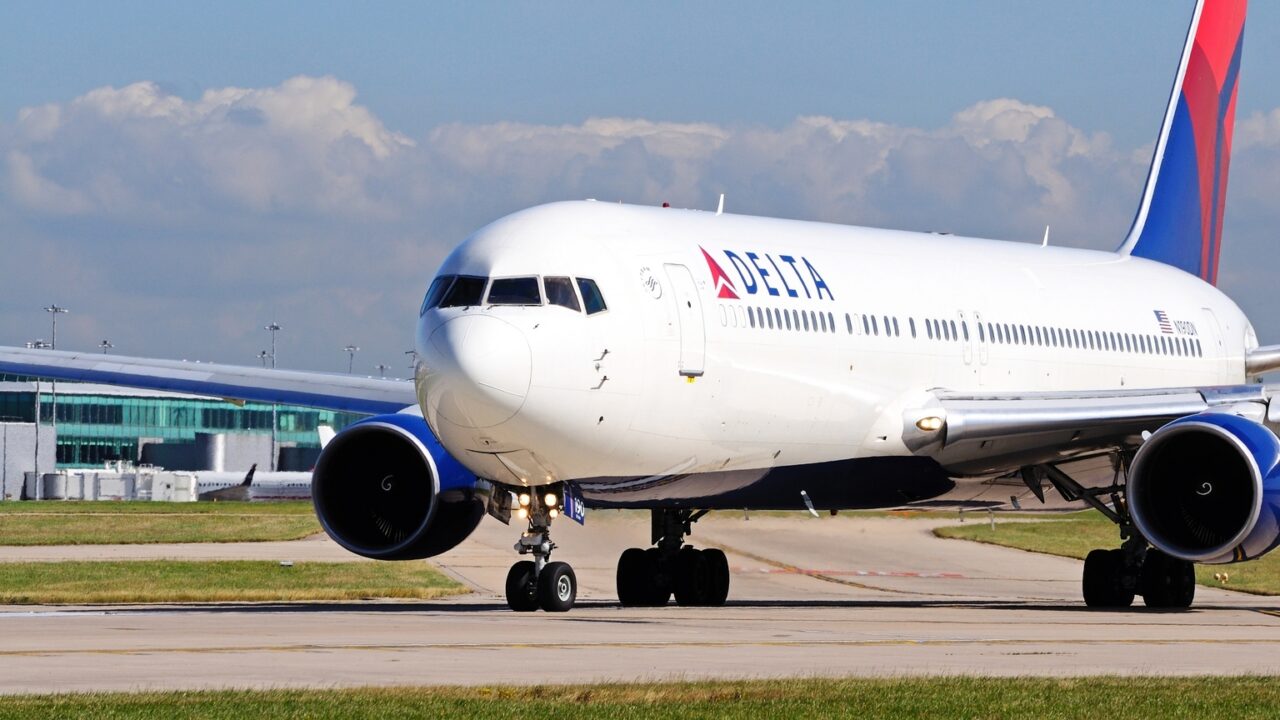
TREE NEWS reports: Delta Air Lines experienced widespread flight delays on Monday after an automated system issue disrupted its operations, forcing the carrier to ground or delay flights across its network. The airline confirmed the problem was related to an internal automation system used for flight planning and crew scheduling, and said it was working to restore normal operations. The disruption affected thousands of passengers and raised fresh questions about the resilience of airline IT infrastructure.
What Happened
The issue stemmed from a failure in Delta’s automated flight management system, which handles critical functions such as dispatching aircraft, managing crew schedules, and coordinating with air traffic control. While Delta did not specify the exact cause, the incident follows a series of high-profile airline technology failures in recent years, including a 2022 system meltdown at Southwest Airlines that cancelled over 16,000 flights. Delta’s quick acknowledgment and ongoing recovery efforts suggest the disruption may be shorter-lived than previous incidents, but the event underscores the operational risks airlines face as they become more reliant on complex software systems.
Market Implications
Stocks: Shares of Delta Air Lines (DAL) could see modest pressure as investors weigh the cost of delays, including passenger compensation, crew overtime, and lost revenue. However, the impact is likely to be contained if operations normalize within a day or two. Other airlines may also face scrutiny, with investors assessing whether the issue is Delta-specific or indicative of broader industry vulnerabilities. Travel-related stocks, including booking platforms and aircraft manufacturers, could see minor volatility.
Bonds: The impact on Delta’s corporate bonds is likely to be minimal unless the disruption escalates and leads to significant financial losses. Airline bonds are more sensitive to fuel costs and interest rates than to short-term operational hiccups.
Crypto: No direct impact expected. However, if the incident sparks broader concerns about technological reliability in critical infrastructure, it could indirectly support the narrative for decentralized systems, though this is a stretch.
Commodities: Jet fuel demand could see a slight dip if flights are cancelled, but the effect is negligible at the macro level. Oil prices are driven by larger forces.
Currencies: No meaningful impact on the dollar or other major currencies.
Why It Matters for Investors
This incident highlights the operational leverage and risk embedded in airline business models. Airlines operate on thin margins and high fixed costs, making them vulnerable to disruptions. Investors should monitor whether Delta can resolve the issue quickly and whether the incident leads to increased regulatory scrutiny or required investments in IT infrastructure. Additionally, the event serves as a reminder of the importance of operational resilience in an increasingly digital economy. For long-term investors, airline stocks remain a cyclical play, and short-term disruptions can create buying opportunities if fundamentals remain intact.
- Delta’s automated system failure caused widespread flight delays, testing investor confidence in airline operational resilience.
- Financial impact likely limited if resolved quickly, but the incident underscores broader IT risks in the airline sector.
- Investors should watch for regulatory responses and potential IT investment needs that could affect costs.
- Airline stocks remain sensitive to operational disruptions; short-term dips may offer entry points for long-term investors.