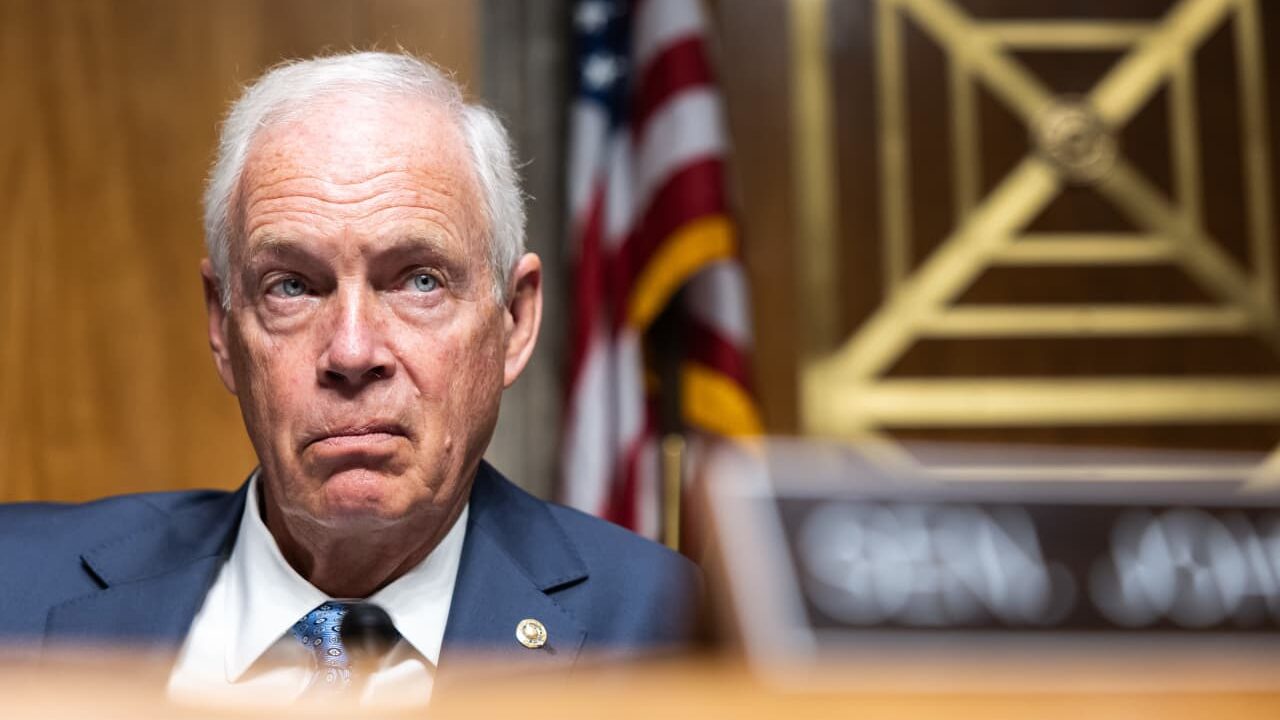
Social Security Gaffe Overshadows Senate Hearing on Fixing Entitlement Crisis
TREE NEWS reports: Senator Ron Johnson (R-Wis.) sparked controversy this week with remarks about Social Security that overshadowed what was intended to be a substantive Senate committee hearing on the program’s financial challenges. During the hearing, Johnson suggested that Social Security should be subject to annual congressional appropriations, a comment that critics say undermines the program’s guaranteed nature and could destabilize retirement security for millions of Americans. The remarks quickly drew bipartisan criticism and dominated news coverage, pushing the actual policy discussion—focused on the program’s looming insolvency and potential reforms—to the background.
The hearing, held by the Senate Finance Committee, was meant to explore options for shoring up Social Security, which according to its trustees is projected to exhaust its trust fund reserves by 2035, triggering an automatic 20% benefit cut unless Congress acts. Lawmakers heard testimony from actuaries, economists, and policy experts on proposals ranging from payroll tax increases to benefit adjustments and raising the retirement age. However, the attention-grabbing gaffe shifted the focus away from these critical issues.
Market Implications
While Social Security reform may seem distant from daily market movements, it carries significant implications across asset classes:
- Stocks: Social Security is a major source of retirement income. Any perceived threat to benefits could reduce consumer confidence and spending, particularly among retirees and near-retirees, weighing on consumer discretionary stocks. Additionally, if reform leads to higher payroll taxes, corporate earnings could be pressured.
- Bonds: The Social Security trust fund holds special-issue Treasury securities. Reform discussions that raise questions about the program’s solvency could affect demand for Treasuries, though any impact is likely to be gradual. More broadly, the debate highlights the long-term fiscal challenges facing the U.S., which could influence bond yields over time.
- Crypto: Uncertainty around entitlement programs often boosts interest in alternative stores of value, including bitcoin. Younger investors concerned about the sustainability of Social Security may allocate more to crypto as a hedge against traditional retirement systems.
- Commodities: Gold, a classic safe-haven asset, could see increased demand if concerns about fiscal stability grow. The debate over Social Security adds to broader worries about U.S. debt levels and could support gold prices.
- Currencies: The dollar could face pressure if the debate signals fiscal dysfunction, though the impact is likely to be limited in the near term. The dollar remains the world’s reserve currency, and Social Security reform is a slow-moving issue.
Why This Matters for Investors
Social Security is a cornerstone of retirement planning for millions of Americans, and any changes to the program will have ripple effects across financial markets. Investors should monitor the progress of reform discussions, as the outcome could influence consumer behavior, tax policy, and long-term interest rates. The gaffe, while distracting, serves as a reminder that entitlement reform is a politically sensitive issue that will likely remain unresolved until a fiscal crisis forces action. For now, markets are likely to focus on more immediate concerns, but the long-term implications are significant.
Investors with long time horizons should consider how potential changes to Social Security might affect their retirement strategies, including the need for additional savings and diversified income sources. The debate also underscores the importance of staying informed about fiscal policy developments, as they can have far-reaching effects on portfolios.