Wealthy Consumers Open Their Wallets as Others Tighten Belts
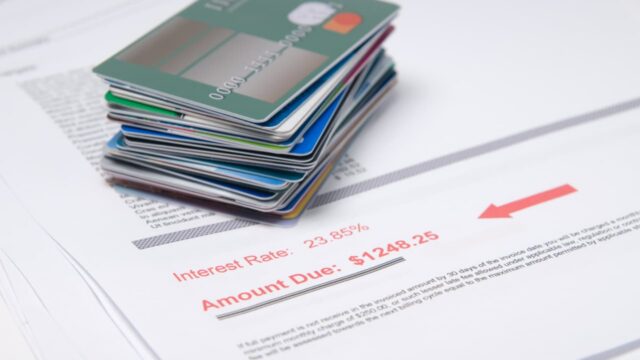
TREE NEWS reports: As the holiday shopping season kicks into high gear, a stark divide is emerging in American consumer behavior. Upper-income households are increasing their holiday spending, while most other households are pulling back, squeezed by rising costs of everyday goods. This divergence, highlighted in recent analysis, underscores the uneven impact of inflation and the growing K-shaped recovery in consumer spending.
The data shows that affluent Americans are buoyed by strong stock portfolios, rising home values, and solid wage growth, allowing them to spend more freely. In contrast, lower- and middle-income families are grappling with higher prices for essentials like food, energy, and housing, forcing them to scale back on discretionary purchases.
Market Implications: A Tale of Two Consumers
This spending gap has significant implications for financial markets. Retailers and consumer discretionary stocks may see mixed results: luxury brands and high-end retailers could outperform, while discount retailers and those targeting middle-income shoppers might struggle. The overall holiday sales figures could mask underlying weakness if spending by the wealthy skews the aggregate numbers.
Bond markets may react to signals about inflation persistence. If affluent spending keeps demand strong, it could complicate the Federal Reserve’s efforts to bring inflation down, potentially delaying rate cuts. Conversely, if lower-income households cut back sharply, it could cool the economy faster, leading to a more dovish Fed stance.
In commodities, the split could affect everything from oil to metals. Wealthy spending on travel and experiences might support jet fuel demand, while reduced spending by others could weigh on gasoline consumption. Gold, often seen as a hedge against economic uncertainty, might see support as investors weigh the diverging consumer trends.
Cryptocurrencies, particularly Bitcoin, could benefit from affluent investors seeking alternative assets, especially if traditional markets show volatility. However, a broader economic slowdown could dampen risk appetite across the board.
Currencies: The U.S. dollar might stay strong if the U.S. economy holds up better than others due to resilient high-end spending, but a sharp pullback in overall consumption could weaken it.
Key Takeaways for Investors
- Watch the consumer split: Pay attention to earnings reports from retailers catering to different income groups to gauge the health of the consumer.
- Inflation watch: Affluent spending could keep inflation sticky, impacting Fed policy and bond yields.
- Sector rotation: Consider tilting portfolios toward luxury and premium brands, while being cautious on middle-income-focused retailers.
- Macro hedges: Gold and certain commodities may offer protection against uncertainty stemming from uneven consumer demand.
- Crypto as an alternative: Affluent investors may increase allocations to Bitcoin and other digital assets as a hedge against traditional market risks.
As the holiday season progresses, the spending patterns of the wealthiest Americans will be a key indicator of economic resilience and market direction.