When the Face of AI Briefly Stepped Away
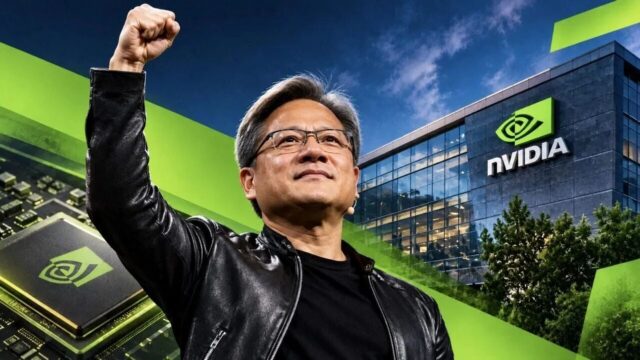
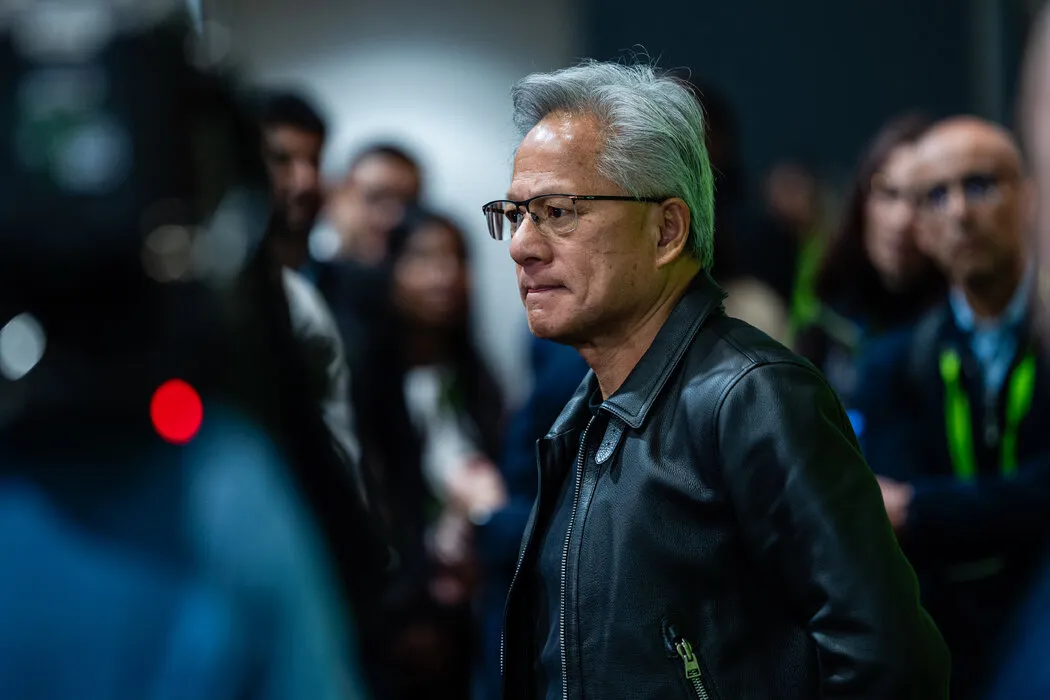
Jensen Huang, Nvidia’s CEO and the public face of the AI boom, resigned on November 12 and returned on November 23. In those 11 days, Nvidia’s stock surged 31.48% on the day of his return—a move that underscored just how much of the company’s valuation rests on his personal credibility and the supplier relationships he has cultivated. But the period also coincided with the implementation of new U.S. export controls that restrict Chinese firms from renting overseas compute, highlighting the geopolitical fault lines running through the global AI supply chain.
The Personal Premium in AI
Huang’s brief departure—and the market’s relief upon his return—reveals a uncomfortable truth: Nvidia’s moat is not just its GPUs, but the trust and deal-making of its leader. The 31% single-day gain is a vote of confidence in Huang’s ability to navigate export restrictions, secure foundry capacity, and maintain relationships with key customers. Yet it also signals fragility: no other executive commands the same certainty. For investors, this is a reminder that AI’s biggest winner carries key-person risk that is rarely priced until it is tested.
Export Controls Tighten the Screws
During Huang’s absence, new U.S. export rules took effect, closing a loophole that allowed Chinese companies to access advanced AI chips via overseas data centers. The timing is no coincidence. Washington is intent on slowing China’s AI progress, and the rules now target not just hardware sales but also the rental of compute abroad. For Chinese AI firms, the cost of training models is rising; for Nvidia, the addressable market shrinks further. Huang’s return may bring a more vocal lobbying effort, but the regulatory trajectory is clear.
Supply Chain and the Illusion of Independence
Huang’s personal relationships with TSMC, SK Hynix, and major cloud providers have been instrumental in securing Nvidia’s supply chain. His absence brought no disruption, but it exposed how much of the ecosystem is tied to his diplomacy. As AI demand outpaces supply, these relationships are as valuable as any fab. The market’s reaction suggests investors are not yet ready to bet on a post-Huang Nvidia—a concern that will only grow as the CEO’s tenure eventually nears its end.
Looking Ahead: AI’s Next Test
The 11-day episode is a microcosm of the AI industry’s broader challenges: dependence on a few key figures, vulnerability to geopolitics, and a supply chain that is anything but resilient. As export controls bite and competition intensifies, Nvidia’s leadership—and Huang’s personal capital—will be tested further. For the crypto and AI intersection, decentralized compute networks may find new demand from Chinese firms seeking alternatives, but the barriers to replacing Nvidia’s ecosystem are high. The coming months will reveal whether the market’s faith in Huang is justified, or whether the 31% rally was merely a sigh of relief.