Jensen Huang Apologizes, Denies Succession Plan in First All-Hands Since Return
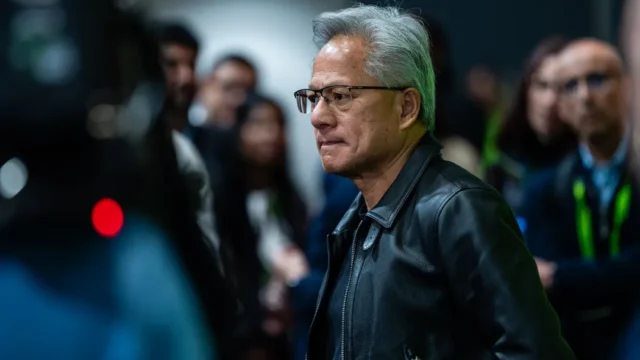
NVIDIA CEO Jensen Huang held his first company-wide meeting since returning to lead the chipmaker, issuing an apology to employees and addressing rumors about his conduct and the company’s leadership structure. Huang said he was receiving psychological therapy and acknowledged that he had let employees down. He also denied allegations that he had acted above the company’s code of conduct, stressed that violations of the code would never be tolerated but would not necessarily lead to dismissal, and stated that NVIDIA does not need a succession plan. Huang further rejected claims that government pressure had forced his return.
Industry Analysis and Implications
Huang’s remarks come at a critical juncture for NVIDIA, which has become the bellwether for the AI hardware boom. His apology and admission of therapy signal a rare moment of vulnerability from a CEO whose public persona has been tightly associated with relentless optimism. For investors, the key takeaway is that Huang remains firmly in control, with no immediate succession plan—a relief for those worried about strategic continuity but also a governance concern for those who favor robust succession planning.
The denial of government pressure is equally significant. NVIDIA’s dominance in AI accelerators has attracted regulatory scrutiny, and any hint of political interference in leadership would have rattled markets. By addressing the rumor directly, Huang aims to reassure stakeholders that NVIDIA’s decisions are driven by business strategy, not external forces.
The comments on the code of conduct also matter. Huang’s nuanced stance—zero tolerance for violations but flexibility on consequences—suggests a desire to maintain accountability while preserving talent. In the hyper-competitive AI chip industry, retaining top engineers is paramount, and a rigid firing policy could be counterproductive.
Forward-Looking Perspective
Looking ahead, Huang’s ability to steer NVIDIA through both technological and cultural challenges will be closely watched. The company faces mounting competition from AMD, Intel, and custom silicon from cloud giants, as well as potential export restrictions that could curb growth. Huang’s leadership style—now infused with public accountability—may help stabilize internal morale and external confidence. However, the absence of a succession plan remains a risk factor that investors should monitor, especially given the company’s outsized influence on the AI narrative. As NVIDIA continues to expand into new markets like sovereign AI and enterprise software, Huang’s focus on transparency and employee welfare could become a differentiator in the war for talent. The next few quarters will reveal whether this apology tour translates into sustained operational excellence.