The 11-Day Shock
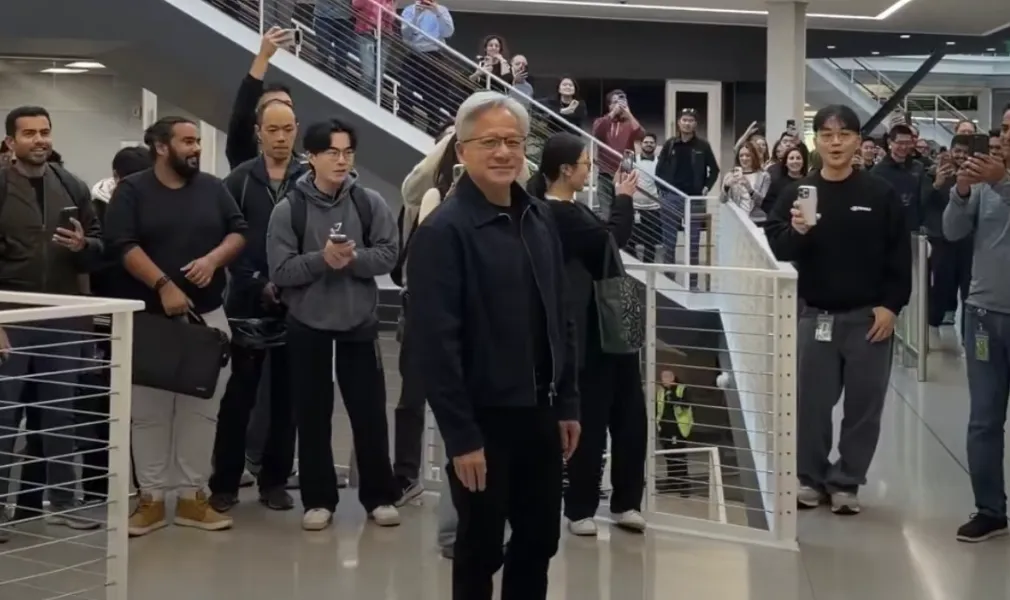
TREE NEWS reports: On November 12, Nvidia CEO Jensen Huang resigned abruptly over undisclosed personal conduct allegations, sending shockwaves through Silicon Valley. The board appointed CFO Colette Kress as interim CEO and said it had no intention of reinstating Huang. But the market revolted: over seven trading days, Nvidia lost roughly 28% of its value, erasing about $1.16 trillion in market capitalization. A “Stand with Jensen” petition gathered over 200,000 signatures, including more than 10,000 self-identified Nvidia employees—about a quarter of the workforce.
Board Reversal and Record Rally
On November 23, after two emergency weekend meetings, the board unanimously restored Huang to all his roles. Shares surged 31.48% the next trading day, adding about $954 billion in market value—the largest single-day gain in U.S. stock market history. The episode demonstrated that for a $4 trillion company whose valuation is tightly bound to one person’s vision and decision-making, traditional corporate governance has limited leverage.
Why Employees and Customers Revolted
Nvidia’s extreme flat organizational structure—with dozens of direct reports to Huang and no clear No. 2—meant there was no internal successor. When the central processor was removed, the machine stalled. Key engineers publicly threatened to leave, and a developer relations director warned the board that irreplaceable talent was considering exits. Meanwhile, customers across the AI ecosystem—from SpaceX to Y Combinator startups—rallied behind Huang, not out of personal loyalty but because their own compute supply chains depend on Nvidia’s roadmap and execution certainty.
Implications: Key-Man Risk Now Priced In
The episode has crystallized Nvidia’s key-man risk. The stock’s violent swing—down 28% then up 31%—has effectively priced in Huang’s indispensability. Going forward, the board will find it harder to constrain the founder, and the market no longer pretends the company can run smoothly without him. For the broader AI industry, the message is stark: the entire compute stack is concentrated in one company, and any leadership disruption there is a systemic event. That fragility is now visible to all—and it hasn’t been resolved.