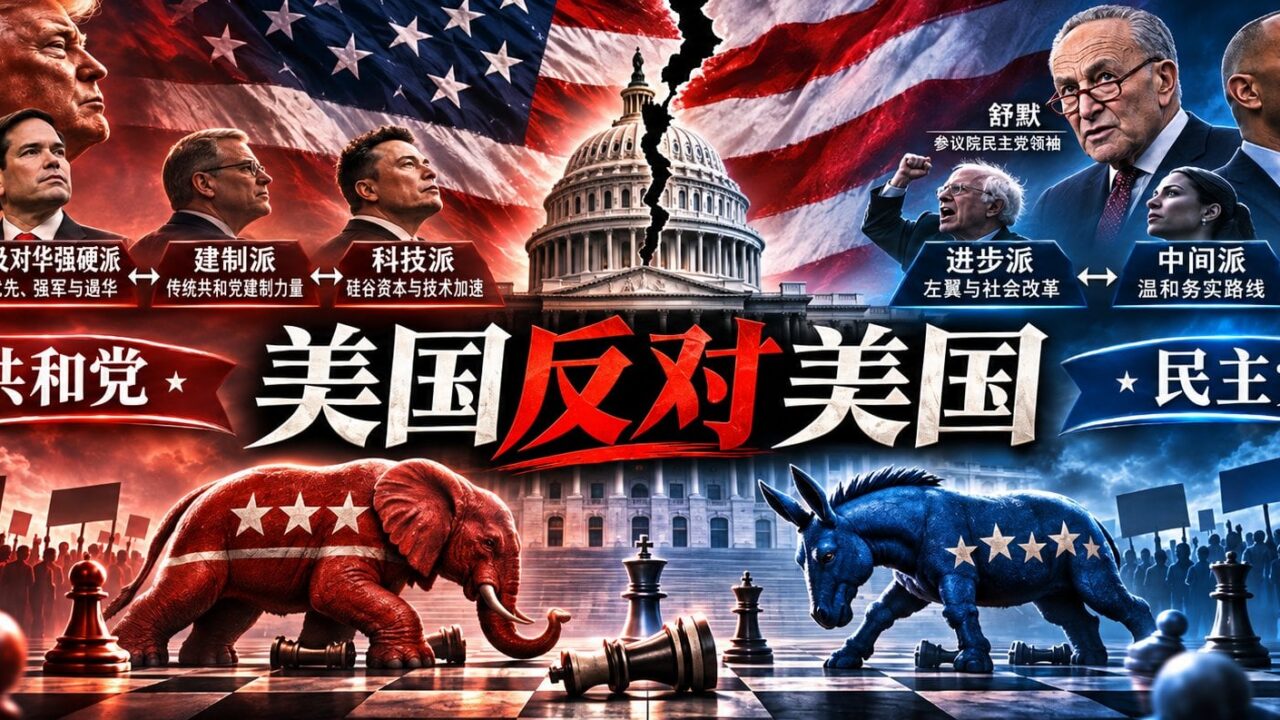
US Political Feud Over Tech and China Policy Spills Into Crypto Regulation
Infighting within both US political parties over technology competition, China policy, and the distribution of economic benefits is intensifying, with direct implications for cryptocurrency and digital asset regulation. The latest flashpoint centers on the departure and swift return of Nvidia CEO Jensen Huang to a key industry advisory role, exposing deeper rifts among Republican factions over how to balance national security concerns with corporate interests.
The episode underscores a broader fragmentation: Republican lawmakers are split between hawks who favor aggressive export controls on advanced chips and business-aligned members who warn such restrictions could cripple US competitiveness. Meanwhile, Democrats are leveraging their congressional majority to plan investigations into tech-industry influence, though they have yet to unify their various policy proposals into a coherent 2028 platform.
Implications for Crypto and RWA Markets
For the digital asset industry, this political gridlock is a double-edged sword. On one hand, bipartisan support for stablecoin legislation and market structure bills remains fragile, as lawmakers prioritize tech and China issues. On the other, the lack of a unified front means crypto regulation could become a bargaining chip in broader negotiations.
- Regulatory uncertainty persists: Competing visions for SEC and CFTC oversight of digital assets may stall comprehensive legislation until after the 2024 elections.
- RWA tokenization at risk: Real-world asset projects seeking regulatory clarity may face delays as policymakers focus on national security and tech competition.
- China factor: Hardline stances on China could extend to crypto, with some factions pushing for stricter scrutiny of blockchain projects with ties to Chinese entities.
The Huang incident also highlights how corporate leaders are being drawn into political crossfire. For crypto firms, this means engaging with policymakers requires navigating not just party lines but intra-party factions.
Forward-Looking Perspective
As the 2024 election cycle heats up, expect crypto regulation to remain in flux. The industry should prepare for a patchwork of state and federal rules, with increased enforcement actions from agencies like the SEC. The eventual winner of the internal party debates will shape the regulatory landscape for years to come. Stakeholders should monitor key appointments and committee leadership changes, as these will signal which faction gains the upper hand and whether crypto becomes a priority or a pawn.