Morph: The First Shot in the Consumer-Layer Blockchain Race
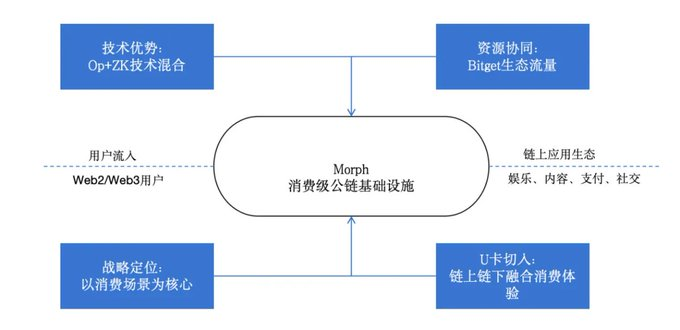
Morph, a purpose-built Layer 1 blockchain for consumer applications, has officially entered the spotlight, positioning itself as the infrastructure for the next billion Web3 users. The project’s thesis is simple: for blockchain to achieve mass adoption, it must be as seamless and enjoyable as the best Web2 apps — and that requires a chain designed from the ground up for consumer experiences, not just DeFi or trading.
What Makes Morph Different?
Unlike general-purpose chains that prioritize throughput or decentralization metrics, Morph focuses on user-centric features: near-zero transaction fees, sub-second finality, and an ecosystem curated around lifestyle, gaming, social, and payments. Its architecture combines a modular design with a decentralized sequencer network, aiming to solve the ‘trilemma’ while keeping costs low for end users.
Morph’s ‘consumer layer’ approach is reminiscent of how early internet platforms won by prioritizing usability over technical purity. The team has also courted developers with grants and tooling, betting that a vibrant ecosystem of consumer dApps will drive organic growth and network effects.
Industry Implications: A Shift from Speculation to Utility
The rise of consumer-focused L1s like Morph signals a broader maturation of the crypto industry. For years, the dominant narrative was yield farming and speculative trading. Morph’s pitch — that blockchain can power everyday activities like loyalty programs, ticketing, and social tokens — represents a pivot toward real-world utility.
This shift could attract a new wave of users who have been put off by the complexity and volatility of DeFi. It also pressures incumbent chains to enhance their user experience or risk being left behind. For investors, consumer L1s offer a different risk-reward profile: less reliant on market cycles and more on product-market fit.
The Super Entry Point: Challenges and Opportunities
Morph’s ambition to become the ‘super on-ramp’ — a gateway that abstracts away crypto complexities — is compelling. If successful, it could onboard millions of users who never touch a wallet or manage a seed phrase, interacting with blockchain through familiar interfaces.
However, challenges remain. Competing with Ethereum’s liquidity and Solana’s speed is no small feat. Moreover, consumer apps must deliver genuine value beyond novelty to retain users. Regulatory scrutiny around consumer-facing tokens also looms.
Yet, if the team executes well, Morph could define the consumer blockchain narrative. The path to mass adoption may not be through faster horses (i.e., more scalable DeFi chains), but through building the ‘iPhone moment’ for Web3 — and Morph is aiming squarely at that target.
Looking Ahead
The next 12-18 months will be critical. Watch for flagship consumer dApps on Morph, user growth metrics, and developer retention. If the ‘consumer layer’ thesis proves out, Morph could be the template for a new generation of blockchains — and a genuine super entry point for the crypto-curious mainstream.