Robinhood Chain Surge Drives Uniswap Revenue: UNI Buyback Mechanics Under Scrutiny
The recent explosion in trading volume on Robinhood Chain has sent shockwaves through the DeFi ecosystem, with Uniswap emerging as a primary beneficiary. Protocol fees have surged, and the UNI token’s burn mechanism has accelerated dramatically. However, analysts are cautioning that the sustainability of this revenue windfall is far from guaranteed.
News Summary
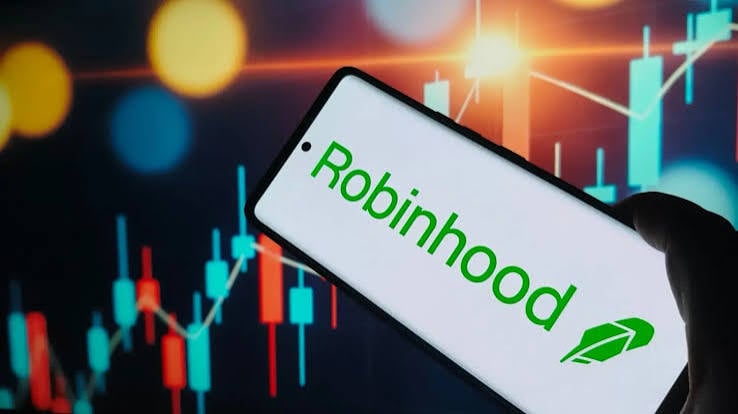
Robinhood Chain, the brokerage’s foray into blockchain-based trading, has seen a meteoric rise in transaction volume. This activity is funneling significant order flow to Uniswap’s liquidity pools, driving up protocol fees. Consequently, UNI’s buyback-and-burn program has intensified, reducing the token’s circulating supply at an unprecedented pace. The market has responded positively, with UNI experiencing notable price appreciation.
Industry Analysis: The Buyback Conundrum
The surge highlights a critical distinction among DeFi protocols: the source of buyback capital. Uniswap’s buyback is funded by a portion of its protocol fees, which are directly tied to trading activity. This creates a virtuous cycle when volumes are high, but it also exposes the token to the cyclical nature of trading demand.
- Revenue Cyclicality: The current high annualized burn rate is a function of exceptional market conditions. If trading volumes normalize, the burn rate will decelerate, potentially dampening UNI’s deflationary narrative.
- Cash Flow Stability: Protocols with more diversified or stable revenue streams—such as lending protocols with recurring interest income—may offer more sustainable buyback programs. Uniswap’s reliance on volatile trading fees makes its buyback inherently less predictable.
- Market Perception: Investors are increasingly scrutinizing the ‘quality’ of buybacks. A high burn rate driven by temporary spikes is viewed less favorably than a consistent, modest buyback backed by stable cash flows.
Forward-Looking Perspective
While the immediate impact is bullish for UNI, the long-term value proposition depends on Uniswap’s ability to maintain its dominant position across multiple chains and capture sustained volume growth. The integration with Robinhood Chain is a positive development, but it also underscores the protocol’s dependence on external platforms for user acquisition.
As the DeFi landscape matures, protocols that can demonstrate resilient revenue models will likely outperform those that rely on transient trading frenzies. For UNI, the key test will be whether it can translate this surge into lasting adoption and diversified revenue sources.