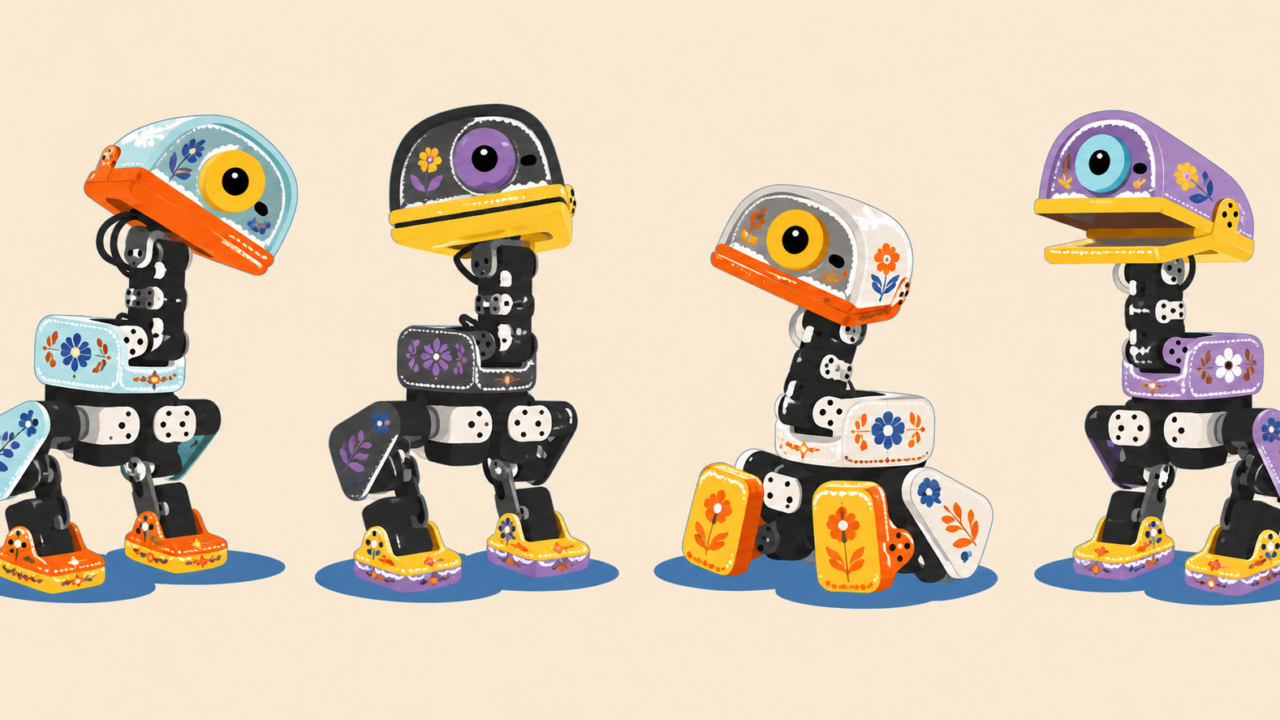
The $399 Robot Duck That Broke the Internet
A $399 robotic duck, designed to mimic a real pet duck’s movements and interactions, has gone viral, selling out within days on Chinese e-commerce platforms. The toy, produced by a Shenzhen-based startup, is not just a novelty—it represents a broader trend: Shenzhen is rapidly becoming the world’s manufacturing and engineering hub for Physical AI, the convergence of artificial intelligence with physical robotics.
Beyond the Headlines: Unitree and AgiBot
While Chinese robotics brands like Unitree and AgiBot (Zhiyuan) grab global attention with their humanoid robots, the real story lies beneath the surface. Shenzhen’s ecosystem of component suppliers, prototyping shops, and agile manufacturers is enabling a new wave of Physical AI products, from consumer toys to industrial automation. This hidden infrastructure is what allows companies to iterate quickly and bring AI-driven hardware to market at unprecedented speed and cost.
The Industrial Backbone
Shenzhen’s advantage is not just low-cost labor; it’s the density of expertise. The city has a mature supply chain for sensors, motors, batteries, and microcontrollers—all essential for Physical AI. Moreover, the region’s culture of rapid prototyping, often referred to as ‘hardware hacking,’ allows engineers to test and refine designs in days, not months. This is critical for AI applications that require continuous hardware-software co-design.
Global tech giants and startups alike are increasingly looking to Shenzhen to turn their AI algorithms into physical products. The city’s role is becoming that of a ‘hardware foundry’ for the AI era, akin to what Taiwan’s TSMC is for semiconductors. This position could prove more valuable than owning a single brand, as it places China at the center of the Physical AI supply chain.
Implications for Global Tech and Investment
For investors and tech observers, this shift has profound implications. The value chain in robotics is moving beyond the final assembler to the ecosystem that enables production. Companies that control the manufacturing infrastructure—from precision motors to AI-optimized chips—may capture a larger share of profits than end-product brands. Moreover, as Physical AI applications expand into healthcare, logistics, and consumer electronics, the ability to scale production quickly will become a competitive advantage.
Looking Ahead
China’s robotics future, therefore, may not be defined solely by its visible champions like Unitree. Instead, its most lasting contribution could be as the indispensable engineering and manufacturing backbone for global Physical AI. The $399 robot duck is a small but telling example of how Shenzhen’s ecosystem is turning AI concepts into tangible, market-ready products. As this trend accelerates, we can expect more foreign companies to partner with Shenzhen’s suppliers, not just for cost efficiency, but for the strategic advantage of speed and flexibility.
The next wave of innovation in Physical AI will not just be about algorithms; it will be about who can physically build and scale. And Shenzhen is positioning itself to be that answer.