AMC vs. Robinhood: The Battle Over Tokenized Stocks Highlights RWA Ownership Risks
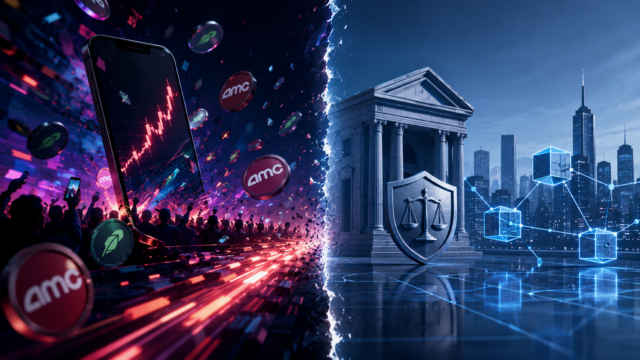
TREE NEWS reports: AMC Entertainment, the world’s largest movie theater chain, is publicly demanding that Robinhood delist its tokenized stocks. CEO Adam Aron argues that these tokens, which trade on Robinhood’s platform using AMC’s branding and price, mislead investors into believing they own actual AMC shares. The dispute has ignited a social media firestorm and raises critical questions about the legitimacy and regulatory status of tokenized securities.
News Summary
AMC’s leadership has formally requested that Robinhood remove all tokenized AMC stock products. The company contends that these instruments, while pegged to AMC’s market price, do not confer any shareholder rights or ownership in the company. Adam Aron emphasized that investors purchasing these tokens are not acquiring real equity, potentially exposing them to unforeseen risks. The conflict underscores a growing tension between traditional corporations and the emerging tokenization sector.
Industry Analysis
This clash sits at the heart of the Real World Asset (RWA) tokenization movement, where traditional financial instruments are represented on blockchain rails. Proponents argue that tokenization democratizes access and increases liquidity. However, AMC’s stance highlights a fundamental disconnect: token issuers often operate without explicit authorization from the underlying asset’s issuer. This creates legal ambiguity and reputational risks for all parties involved.
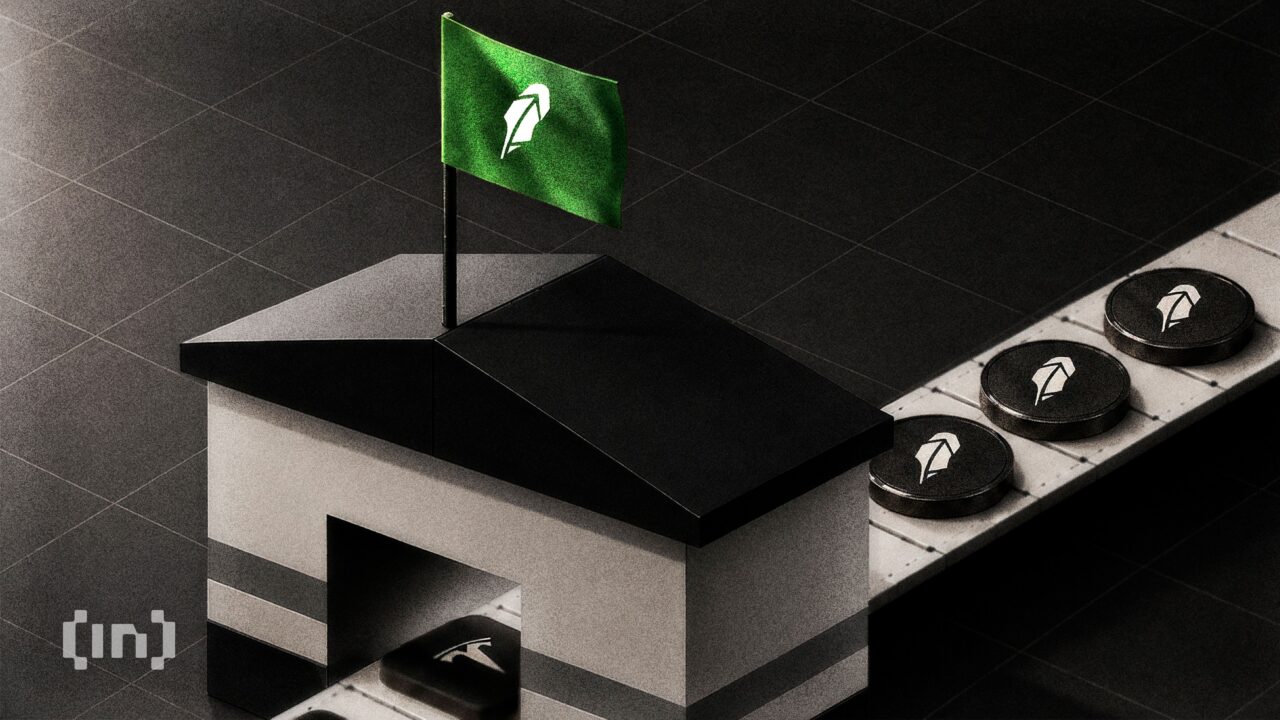
From a regulatory perspective, the case exemplifies the ‘wild west’ nature of tokenized equities. Unlike SEC-registered securities, these tokens may fall into a gray area, subject to varying interpretations across jurisdictions. Robinhood’s position as a regulated broker-dealer adds complexity—its foray into tokenized stocks could invite scrutiny from financial watchdogs concerned about investor protection.
Furthermore, the incident reveals a marketing dilemma. By trading under AMC’s brand, tokenized products benefit from association with a well-known company, yet they lack the governance and economic rights of genuine shares. This could mislead retail investors, a concern that regulators have repeatedly flagged in the crypto space.
Forward-Looking Perspective
The AMC-Robinhood dispute may set a precedent for how tokenized assets interact with their underlying issuers. If AMC succeeds in forcing a delisting, it could embolden other companies to challenge unauthorized tokenization, potentially stifling innovation. Conversely, a negotiated settlement might pave the way for standardized frameworks where issuers consent to tokenization, perhaps through revenue-sharing or licensing agreements.
For the RWA sector, this episode is a wake-up call. Clear labeling, investor disclosures, and legal clarity are essential to avoid consumer deception. As tokenization expands beyond stocks to bonds, real estate, and commodities, establishing a cooperative model between issuers and token platforms will be crucial. The outcome of this battle could shape the regulatory landscape for years to come, influencing whether tokenized assets become a mainstream investment vehicle or remain a niche experiment.