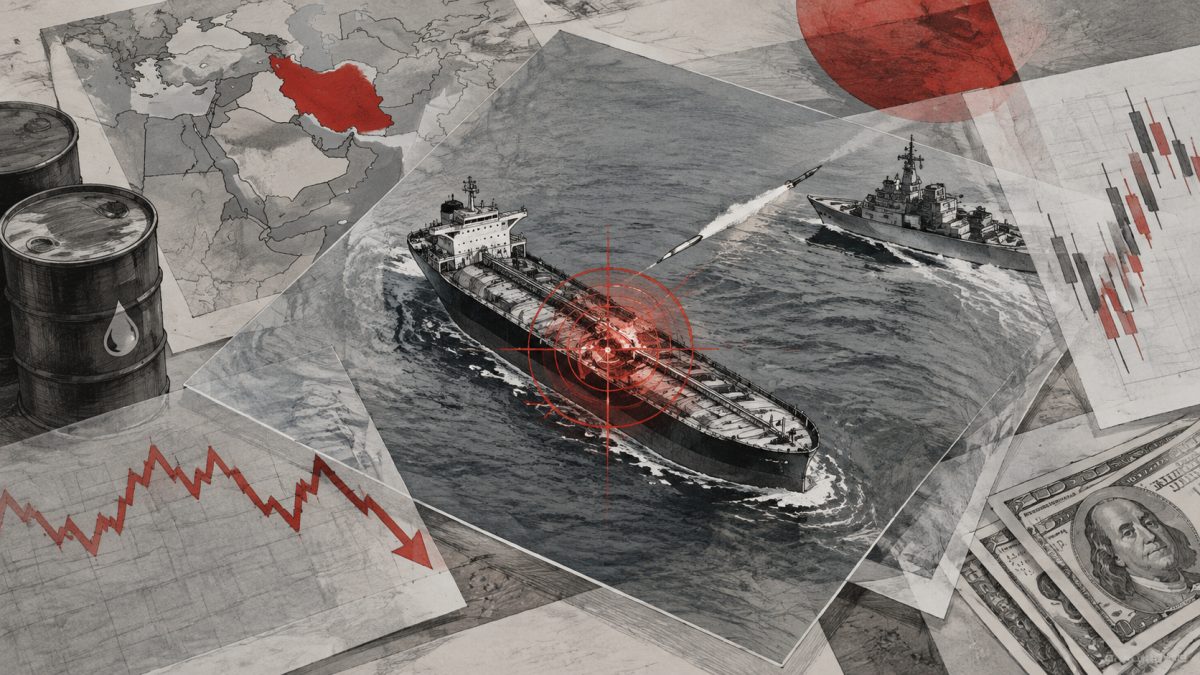
U.S. Strikes Iranian Oil Tankers After Missile Attacks on Warships
TREE NEWS reports: In a significant escalation of Middle East tensions, the United States has carried out strikes on three Iranian oil tankers following missile attacks that targeted American warships in the region. The operation marks a direct military response to what Washington describes as provocations that endangered U.S. naval forces. While details remain fluid, the move underscores a hardening of U.S. policy toward Iran and raises the specter of supply disruptions in the world’s most critical oil-producing region.
Market Implications: Oil and Energy
The immediate impact is being felt in crude markets. Brent and WTI futures have spiked on the news, as traders price in a higher risk premium for Middle East supply. Iran’s oil exports, already constrained by sanctions, face further pressure, and any disruption to the Strait of Hormuz—through which about 20% of global oil passes—could send prices sharply higher. Energy equities, particularly U.S. shale producers and integrated oil majors, are likely to benefit from a higher oil price environment.
Safe Havens and Risk Assets
Geopolitical shocks typically trigger a flight to safety. We expect U.S. Treasuries to see buying, pushing yields lower, while gold and the Japanese yen may strengthen. Conversely, risk assets like equities could face headwinds, though the degree of sell-off depends on whether the conflict remains contained. Crypto markets, often viewed as a hedge against geopolitical instability, may see mixed flows—Bitcoin could attract safe-haven bids, but risk-off sentiment could also weigh on speculative assets.
Currencies and Broader Macro
The U.S. dollar may initially strengthen on safe-haven demand, but prolonged conflict could raise concerns about fiscal costs and inflation. A spike in oil prices would complicate central bank efforts to tame inflation, potentially delaying rate cuts and supporting the dollar in the medium term. For emerging markets, higher energy import costs could strain currencies and widen trade deficits.
Key Takeaways for Investors
- Oil and energy equities: Position for higher volatility and potential supply disruptions; consider energy sector exposure as a hedge.
- Safe havens: Gold, Treasuries, and the yen may outperform if tensions escalate further.
- Equities: Watch for sector rotation—defensive and energy stocks may fare better than cyclical and tech.
- Crypto: Bitcoin could see increased demand as a geopolitical hedge, but be prepared for short-term volatility.
- Monitor headlines: Any further military action or retaliation from Iran could amplify market moves.
Investors should brace for continued volatility as the situation develops. The key variable is whether this remains a limited strike or escalates into a broader conflict—each scenario carries distinct implications for global markets.