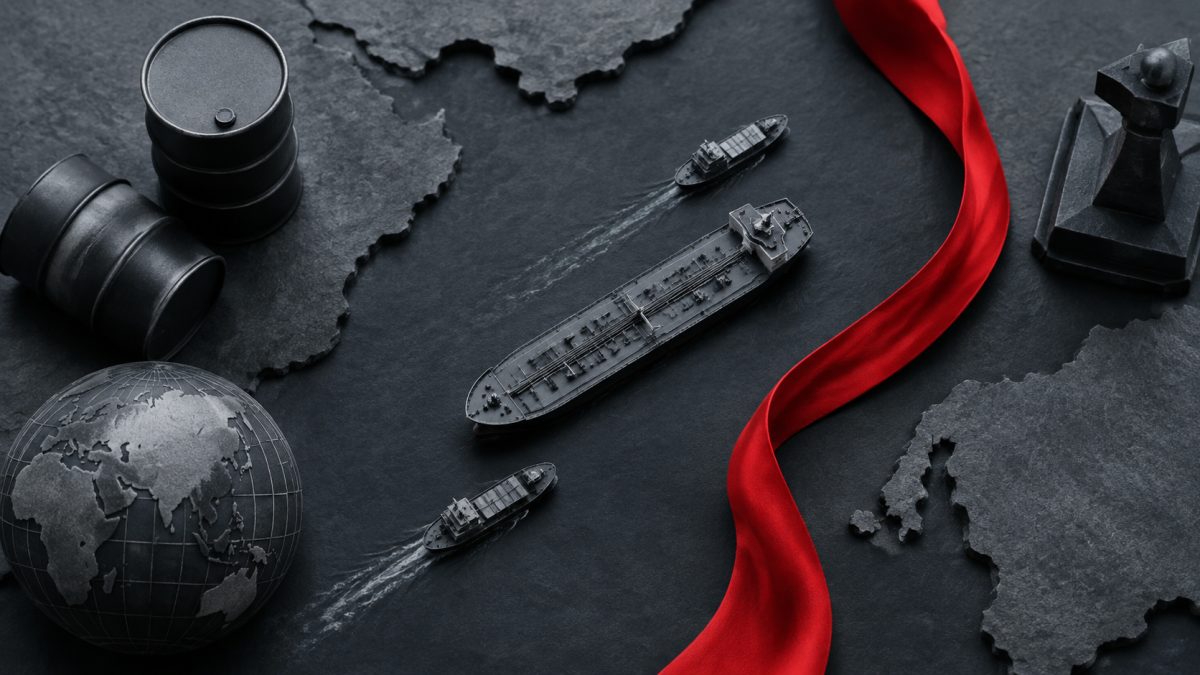
US Military Targets Iranian Oil Tankers for First Time
TREE NEWS reports: In a significant escalation of the US-Iran conflict, American forces have struck three Iranian crude oil tankers, marking the first time the US military has targeted moving oil transport vessels. The strike came after Iran’s Islamic Revolutionary Guard Corps (IRGC) launched ballistic missiles at two US Navy ships patrolling regional waters. CENTCOM issued a stark warning: ‘We will not hesitate to defend American forces and will destroy Iran’s limited and exposed oil fleet if necessary.’
This development represents a qualitative shift in the conflict, which began in February. Previously, US strikes focused on coastal military installations, radar systems, and infrastructure at key export hubs like Larak and Kharg islands. Now, the targeting of moving tankers signals a move from degrading Iran’s production capacity to disrupting its transportation and export capabilities. The market’s focus has accordingly shifted from ‘how much oil Iran can produce’ to ‘can tankers safely transit the Strait of Hormuz.’
Market Impact: Oil Prices and Shipping Risk
The immediate impact is on crude oil prices. WTI crude had already gained about 9% over three consecutive sessions, stabilizing near $91 per barrel, while Brent settled below $96. The latest escalation could push prices higher, as the risk of supply disruption from the Strait of Hormuz—through which about 20% of global oil flows—becomes more tangible.
Shipping insurance premiums are likely to surge, reflecting the heightened risk of attacks on commercial vessels. This could lead to higher freight costs and potentially rerouting of tankers, further tightening supply. The pricing framework for oil is now shifting from a purely geopolitical premium on production losses to a more direct risk premium on the safety of the transit route.
Broader Market Implications
- Equities: Energy stocks may rally on higher oil prices, but broader equity markets could face pressure due to increased geopolitical uncertainty and potential inflationary pressures.
- Bonds: Safe-haven demand could push Treasury yields lower, while inflation expectations may rise, creating a mixed outlook.
- Currencies: The US dollar might strengthen on safe-haven flows, while oil-importing countries’ currencies could weaken.
- Commodities: Besides oil, shipping costs and insurance rates could impact other commodities transported through the region.
- Crypto: Bitcoin and other cryptocurrencies might see increased interest as a hedge against geopolitical risk, though correlation with risk assets could also lead to initial sell-offs.
Key Takeaways for Investors
- Monitor CENTCOM statements and Iranian responses for further escalation or de-escalation signals.
- Watch shipping insurance rates and any changes in tanker routes as leading indicators of sustained disruption.
- Consider energy sector exposure as a hedge, but be cautious of overvaluation if conflict de-escalates.
- Diversify across asset classes to manage geopolitical risk, and stay alert to potential supply shocks in the oil market.



