OKX Wallet Debuts One-Tx Leverage Looping on X Layer
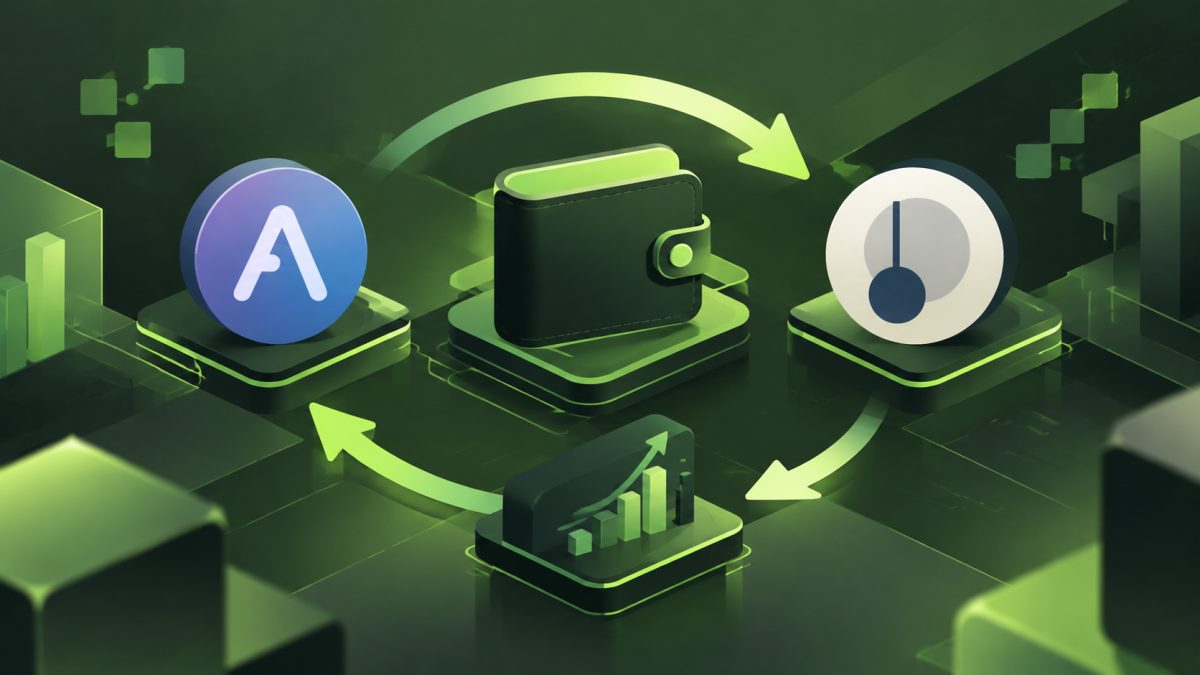
TREE NEWS reports: OKX Wallet has introduced a new DeFi feature called “循环赚币” (Loop Yield), allowing users on X Layer to combine deposits, swaps, and borrows into a single transaction to build leveraged yield positions. The feature integrates Aave for lending and Pendle for yield markets, streamlining what previously required multiple steps across different protocols.
How It Works
Users can now create a leveraged position by depositing collateral, borrowing assets, and reinvesting them—all within one atomic transaction. For example, a user could deposit ETH, borrow USDC, swap it back to ETH, and re-deposit, amplifying exposure to ETH yield. The integration with Pendle allows users to tokenize and trade future yield, enabling more sophisticated strategies like fixed-rate lending or yield speculation.
Implications for DeFi Accessibility
This feature lowers the technical barrier for retail users to engage in leveraged DeFi strategies. Previously, executing such loops required manual interaction with multiple dApps and careful management of transaction sequences. By abstracting this complexity, OKX Wallet makes advanced yield farming more accessible, potentially increasing activity on X Layer and boosting TVL for integrated protocols like Aave and Pendle.
However, leverage inherently increases risk. Users must understand liquidation thresholds and the volatility of the underlying assets. The one-click nature might encourage less experienced users to take on more risk than they can manage, a concern that has been raised in the DeFi community.
Competitive Landscape
OKX Wallet is not alone in this space. Competitors like MetaMask and Trust Wallet have been adding DeFi features, but OKX’s focus on leverage looping within a single transaction is a standout. By partnering with established protocols like Aave and Pendle, OKX leverages their liquidity and user base while offering a unique value proposition.
Forward-Looking Perspective
As DeFi continues to evolve, we can expect more wallets to integrate similar features, blurring the lines between custodial exchanges and self-custody DeFi platforms. The success of OKX Wallet’s feature will depend on user adoption, risk management tools, and the overall market conditions. If executed well, this could set a new standard for DeFi accessibility, but it also underscores the need for robust educational resources to ensure users are aware of the risks involved.