Cozy Finance Exploited on Optimism: $170K Drained, Risk-Management Protocol Under Fire
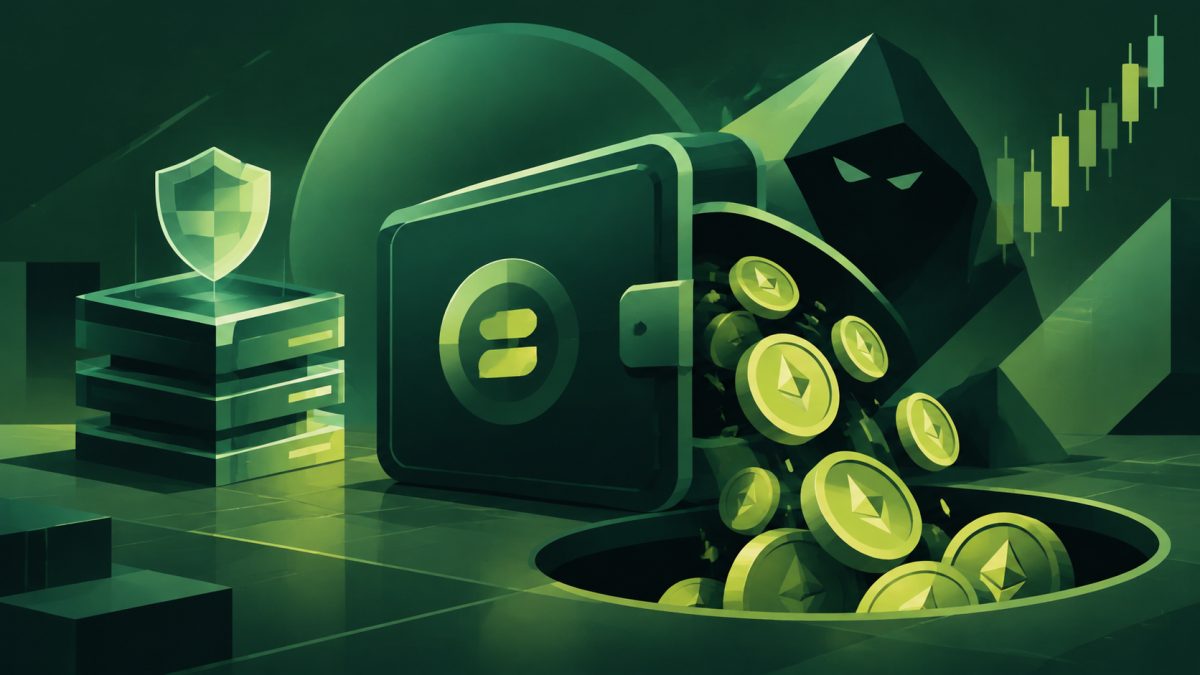
TREE NEWS reports: DeFi risk-management protocol Cozy Finance is suspected to have been exploited on the Optimism network, with on-chain monitoring firm Blockaid detecting that approximately $170,000 in assets has already been transferred out. The incident adds another layer of concern to the security landscape of DeFi, particularly for protocols designed to protect other protocols.
Incident Overview
Blockaid flagged the suspicious activity, noting that funds were being drained from Cozy Finance contracts on Optimism. While the exact attack vector is still under investigation, the loss of $170,000, though modest by DeFi standards, strikes at the core of Cozy Finance’s value proposition. The protocol, which has raised around $17 million in cumulative funding, specializes in creating protective vaults and risk-management tools for other DeFi platforms—making the irony of its own compromise not lost on observers.
Industry Implications
This exploit highlights a persistent vulnerability in DeFi: even protocols built to mitigate risk can fall victim to sophisticated attackers. For Cozy Finance, the breach could undermine user trust, as its entire premise revolves around safeguarding assets. The incident also raises questions about the security of risk-management layers—if these are compromised, the protocols they protect could face cascading failures.
Moreover, the attack on Optimism, a prominent Layer-2 solution, underscores that L2s are not immune to DeFi exploits. While L2s offer lower fees and faster transactions, they inherit the security challenges of the underlying Ethereum ecosystem, and any vulnerability in smart contract logic remains exploitable.
Forward-Looking Perspective
As the investigation unfolds, the DeFi community will be watching closely for details on the attack vector. This event may prompt a broader review of risk-management protocols’ own security measures. For Cozy Finance, a transparent post-mortem and swift remediation will be critical to retaining any remaining user confidence. In the longer term, this incident reinforces the need for continuous auditing, bug bounties, and perhaps even formal verification of smart contracts, especially for protocols that position themselves as guardians of DeFi safety.