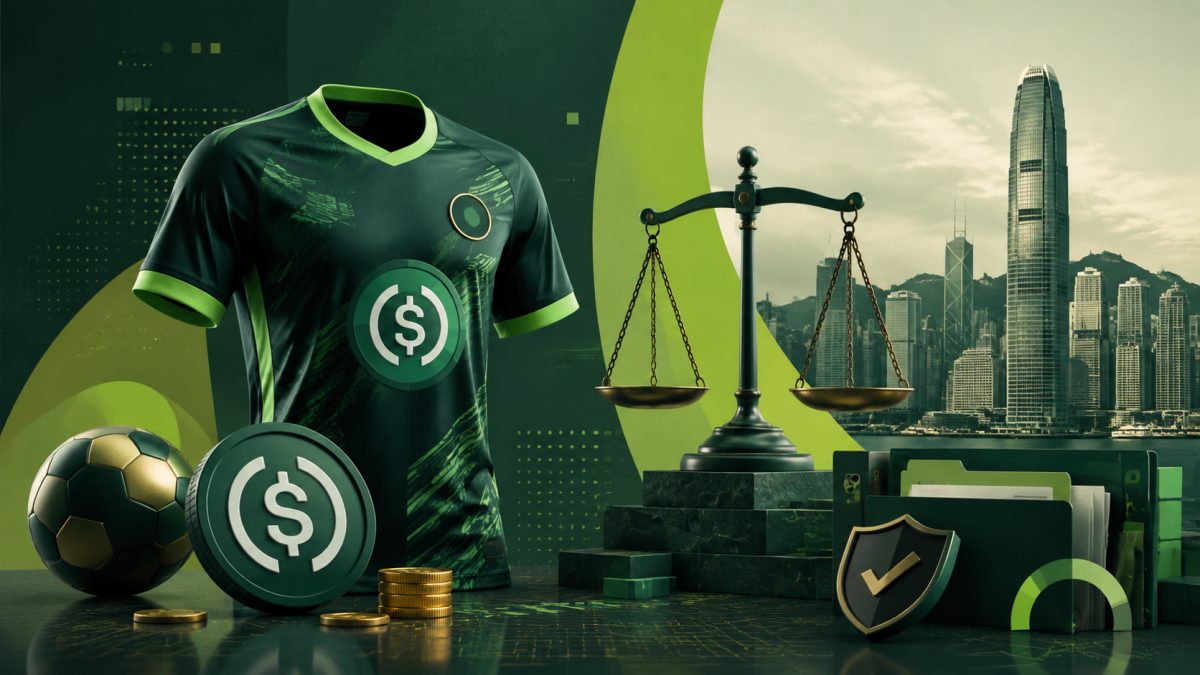
Circle’s Chelsea Sponsorship Raises Regulatory Questions in Hong Kong
TREE NEWS reports: Circle’s landmark sponsorship deal as the front-of-shirt sponsor for Premier League club Chelsea for the 2026/27 season has taken an unexpected turn in Hong Kong, where the USDC logo on the jerseys is now at the center of a local compliance discussion. Reports from local media indicate that Circle is not currently a licensed stablecoin issuer in Hong Kong, prompting questions about the legality and permissibility of promoting the USDC brand in the city.
The Regulatory Framework in Hong Kong
Hong Kong’s stablecoin regime, which came into full effect under the Stablecoins Ordinance, requires any issuer of fiat-referenced stablecoins to obtain a license from the Hong Kong Monetary Authority (HKMA). Circle, despite its global presence and USDC’s widespread use, has yet to secure such a license. This means that any marketing or promotional activity directly linked to USDC in Hong Kong—including the display of the logo on Chelsea jerseys sold or promoted in the city—could be viewed as unauthorized promotion of an unlicensed stablecoin.
Implications for Global Sponsorships
The situation highlights a growing tension between global brand activations and local regulatory regimes. While Chelsea’s sponsorship is a global deal, the physical presence of USDC branding in Hong Kong—through jersey sales, fan events, or digital marketing targeted at Hong Kong residents—could inadvertently breach local rules. This case serves as a cautionary tale for crypto firms engaging in high-visibility sponsorships: even if the primary market is elsewhere, the reach of global media and commerce can trigger compliance obligations in multiple jurisdictions.
What This Means for Circle and the Market
For Circle, the Chelsea deal is a major step toward mainstream visibility, but the Hong Kong controversy underscores the fragmented nature of stablecoin regulation worldwide. While Circle has been proactive in seeking licenses in other major hubs, such as the EU under MiCA, its absence from Hong Kong’s licensing list could limit its ability to fully leverage the Chelsea partnership in Asia. The company may need to consider either accelerating its licensing efforts in Hong Kong or implementing geo-fencing measures to restrict USDC branding in regions where it is not yet compliant.
For the broader industry, this incident reinforces the importance of regulatory due diligence in cross-border marketing. As stablecoins and other digital assets become more integrated into traditional sectors like sports, the line between global brand exposure and local legal compliance will continue to blur, requiring innovative solutions from both issuers and their legal teams.
Looking ahead, the outcome of this discussion could set a precedent for how other crypto companies approach sponsorships in regions with strict licensing regimes. It also highlights the need for clearer guidance from regulators on what constitutes ‘promotion’ of an unlicensed stablecoin, especially in the context of global sports merchandising.



